3-Tier Enterprise Risk Management for B2B Digital Vendor Breaches
Advertisements
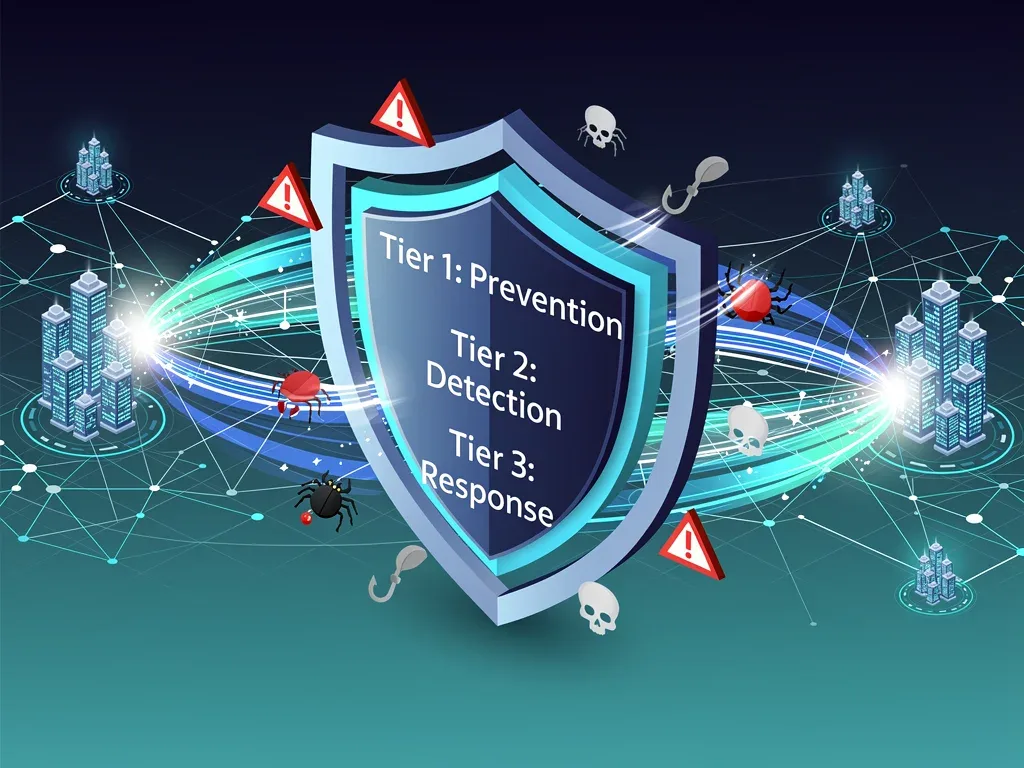
A 3-tier enterprise risk management framework provides a structured approach for B2B companies to proactively identify, assess, and mitigate risks associated with digital vendor breaches, safeguarding sensitive data and maintaining operational integrity.
In today's interconnected business landscape, B2B companies increasingly rely on a complex web of digital vendors. This reliance, while fostering efficiency and innovation, also introduces significant vulnerabilities. Protecting against these threats requires a proactive and structured approach, which is precisely what the 3-tier enterprise risk management framework offers, acting as a crucial shield against digital vendor breaches.
Understanding the Escalating Threat of Digital Vendor Breaches
The digital supply chain has become a primary target for cybercriminals. B2B companies, often seen as gateways to their larger networks, face an unprecedented level of risk from their third-party vendors. A single breach in a seemingly minor vendor can cascade into a catastrophic event for the primary organization, leading to data loss, financial penalties, reputational damage, and operational downtime. The sheer volume and sophistication of these attacks demand a comprehensive and layered defense strategy.
Many organizations, unfortunately, still operate with outdated or insufficient risk management practices, leaving critical gaps that malicious actors are eager to exploit. The interconnectedness of modern business means that a company's cybersecurity posture is only as strong as its weakest link, which often resides within its vendor ecosystem. This makes understanding and addressing vendor-related risks not just a best practice, but a fundamental necessity for survival in the digital age.
The Pervasive Nature of Third-Party Risk
Third-party risk extends beyond direct data access. It encompasses various vulnerabilities that can be introduced through software, hardware, cloud services, and even human error within a vendor's operations. Identifying and categorizing these risks is the first step towards building a resilient defense.
- Data exposure through compromised vendor systems.
- Supply chain attacks injecting malicious code into software.
- Operational disruptions due to vendor service outages.
- Reputational damage from associated vendor security incidents.
The escalating threat landscape necessitates a move from reactive incident response to proactive risk management. Companies must shift their focus from simply responding to breaches to actively preventing them by understanding the full spectrum of risks posed by their digital vendors. This proactive stance is the cornerstone of any effective enterprise risk management strategy.
Tier 1: Strategic Governance and Policy Foundation
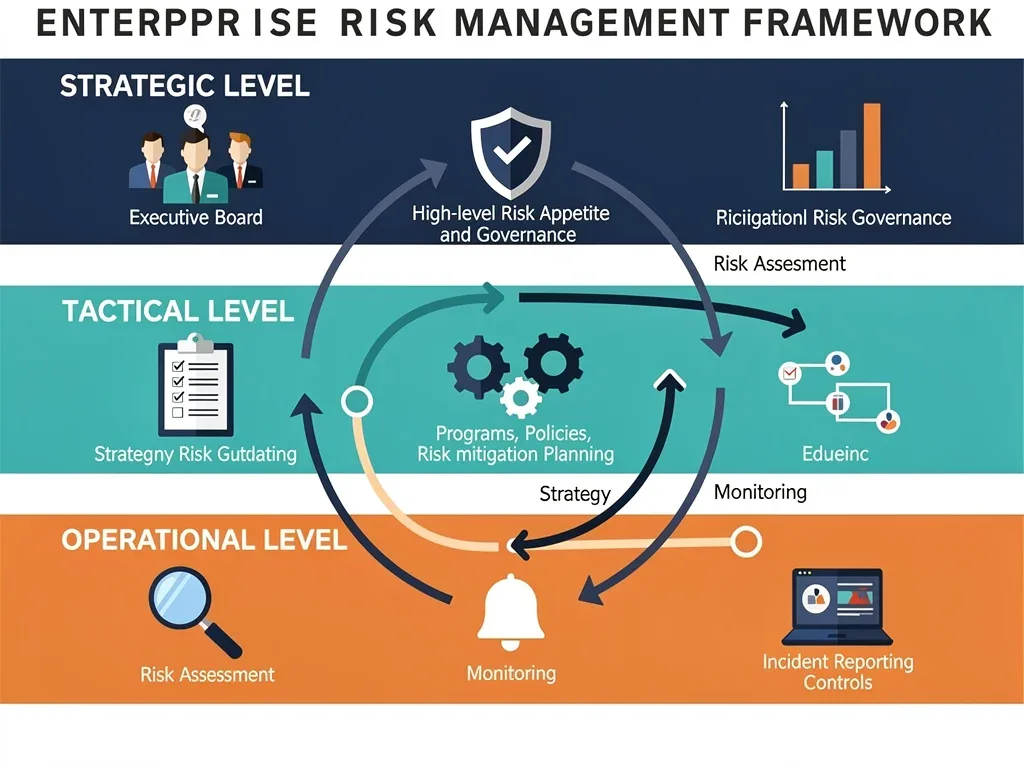
The first tier of the 3-tier enterprise risk management framework establishes the strategic foundation for managing vendor-related digital risks. This tier involves setting the overarching vision, policies, and governance structures that guide all risk management activities. Without a clear strategic direction, tactical and operational efforts can become disjointed and ineffective.
Effective strategic governance starts at the top, with leadership commitment and buy-in. It involves defining the organization's risk appetite, establishing clear roles and responsibilities, and ensuring that risk management is integrated into the company's overall business strategy. This foundational tier ensures that everyone understands the importance of vendor risk and their role in mitigating it.
Establishing a Robust Vendor Risk Management Program
A well-defined vendor risk management program is critical. This includes developing comprehensive policies for vendor selection, onboarding, monitoring, and offboarding. These policies should align with industry best practices and regulatory requirements, providing a clear roadmap for managing third-party relationships securely.
- Defining clear risk appetite and tolerance levels.
- Developing comprehensive vendor security policies and standards.
- Establishing a dedicated vendor risk management team or function.
- Integrating risk considerations into vendor contracts and SLAs.
Strategic governance also involves continuous review and adaptation of policies. As the threat landscape evolves and business needs change, the framework must be flexible enough to incorporate new information and adjust strategies accordingly. This ensures that the risk management approach remains relevant and effective over time, providing a solid base for the subsequent tiers.
Tier 2: Tactical Risk Assessment and Mitigation Strategies
Once the strategic foundation is in place, Tier 2 focuses on the tactical implementation of risk assessment and mitigation strategies. This tier translates the high-level policies into actionable processes for identifying, analyzing, and treating specific risks posed by digital vendors. It's where the rubber meets the road, moving from 'what' to 'how' in risk management.
This tier involves conducting thorough due diligence on potential and existing vendors, performing detailed risk assessments, and developing targeted mitigation plans. It's a continuous process that requires a deep understanding of each vendor's security posture, operational processes, and compliance adherence. Without robust tactical execution, even the best strategic plans will fall short.
Implementing Comprehensive Vendor Due Diligence
Due diligence is paramount for every vendor relationship. This involves a multi-faceted approach, including security questionnaires, independent audits, penetration testing results, and compliance certifications. The goal is to gain a clear picture of a vendor's security controls and their ability to protect your data.
- Conducting in-depth security assessments for all new vendors.
- Reviewing vendor security certifications (e.g., ISO 27001, SOC 2).
- Analyzing vendor incident response plans and capabilities.
- Assessing data handling practices and adherence to privacy regulations.
Mitigation strategies developed at this tier should be specific to the identified risks. This might include requiring vendors to implement stronger encryption, enhance access controls, or undergo regular security training. The aim is to reduce the likelihood and impact of potential breaches to an acceptable level, aligning with the organization's defined risk appetite. This tactical application is essential for translating strategic intent into tangible security improvements.
Tier 3: Operational Monitoring and Incident Response
The third and final tier of the framework focuses on the continuous operational monitoring of vendor activities and the establishment of robust incident response protocols. This tier ensures that the implemented controls remain effective over time and that the organization is prepared to react swiftly and efficiently in the event of a breach. Continuous vigilance is key to maintaining a strong security posture.
Operational monitoring involves real-time tracking of vendor security performance, regular audits, and vulnerability scanning. It's about ensuring ongoing compliance and detecting any deviations from established security standards. When incidents do occur, a well-defined incident response plan minimizes damage and facilitates rapid recovery, protecting both the company and its customers.
Continuous Vendor Performance Monitoring
Monitoring extends beyond initial assessments. It involves establishing metrics and key performance indicators (KPIs) to track vendor security posture continuously. Automated tools and regular human oversight are crucial for identifying emerging threats or vulnerabilities before they can be exploited.
- Implementing security ratings and continuous monitoring solutions.
- Conducting regular vulnerability scans and penetration tests on vendor systems.
- Reviewing vendor security reports and audit findings periodically.
- Establishing clear communication channels for security alerts and updates.
Incident response planning at this tier includes developing detailed playbooks for various breach scenarios involving vendors. This covers communication protocols, data forensic procedures, legal and regulatory reporting requirements, and recovery strategies. A well-rehearsed incident response plan can significantly reduce the impact of a digital vendor breach, ensuring business continuity and preserving trust.
Integrating the 3 Tiers for Seamless Protection
The true power of the 3-tier enterprise risk management framework lies in the seamless integration and continuous feedback loop between its strategic, tactical, and operational components. These tiers are not isolated silos but rather interconnected layers that work in concert to provide comprehensive protection against digital vendor breaches. Information flows upwards from operational monitoring to inform tactical adjustments and strategic policy updates, creating a dynamic and adaptive defense.
For instance, an emerging threat identified during operational monitoring (Tier 3) might trigger a tactical reassessment of specific vendor controls (Tier 2), which could then lead to a review and update of the overarching vendor security policy at the strategic level (Tier 1). This cyclical process ensures that the framework remains agile and responsive to the ever-changing threat landscape. Without this integration, the framework loses its effectiveness, becoming a series of disconnected efforts rather than a unified shield.
Building a Culture of Shared Responsibility
Beyond the technical and procedural aspects, successful integration also hinges on fostering a culture of shared responsibility for security across the organization. This means that every employee, from top leadership to front-line staff, understands their role in protecting against vendor-related risks. Training, awareness programs, and clear communication are vital in achieving this.
- Promoting cross-functional collaboration between IT, legal, procurement, and business units.
- Providing regular security awareness training tailored to vendor interactions.
- Establishing clear escalation paths for reporting potential vendor security issues.
- Recognizing and rewarding proactive security behaviors within the organization.
When all three tiers are effectively integrated, B2B companies can achieve a holistic and resilient defense. This unified approach not only mitigates the immediate risks of digital vendor breaches but also strengthens the overall security posture, builds greater trust with partners, and fosters long-term business resilience in a digitally dependent world. It moves beyond mere compliance to genuine security assurance.
Challenges and Best Practices in Implementation
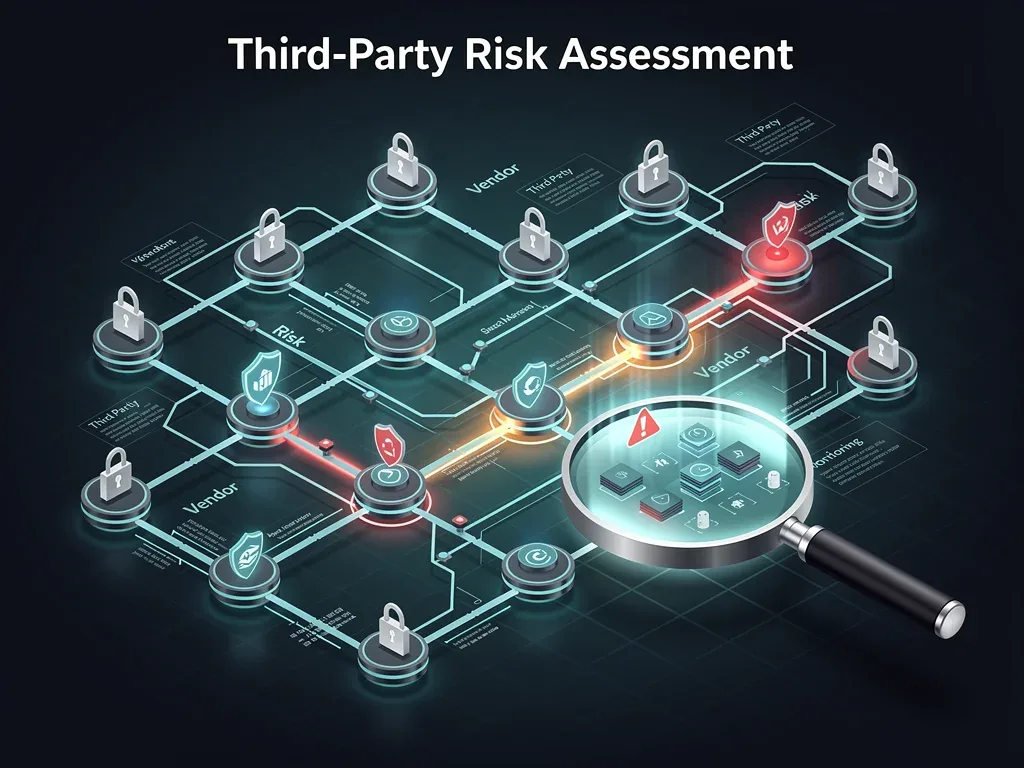
Implementing a comprehensive 3-tier enterprise risk management framework is not without its challenges. B2B companies often grapple with resource constraints, the complexity of managing numerous vendor relationships, and the rapid evolution of cyber threats. Overcoming these hurdles requires a strategic approach to implementation and a commitment to continuous improvement. Identifying potential roadblocks early allows organizations to develop proactive solutions and ensure a smoother rollout of the framework.
One common challenge is gaining full visibility into the security practices of every vendor, especially those further down the supply chain. Another is the sheer volume of data generated by monitoring tools, which can overwhelm security teams without proper automation and analytical capabilities. Addressing these challenges effectively is crucial for the framework's success and long-term viability.
Overcoming Common Implementation Hurdles
To navigate these complexities, organizations should adopt several best practices. Prioritizing vendors based on their criticality and access to sensitive data can help allocate resources effectively. Leveraging automation tools for risk assessments and continuous monitoring can streamline processes and improve efficiency. Furthermore, establishing clear communication channels with vendors fosters transparency and collaboration in security efforts.
- Prioritizing vendors based on criticality and data access.
- Leveraging automation for risk assessments and continuous monitoring.
- Fostering open communication and collaboration with vendors.
- Conducting regular training for internal teams on vendor risk management.
Another crucial best practice is to regularly review and update the framework itself. The digital landscape is constantly changing, meaning what was effective yesterday might not be sufficient tomorrow. Regular audits, threat intelligence integration, and post-incident reviews provide valuable insights for refining the framework and ensuring its ongoing relevance and efficacy. This iterative process is vital for maintaining a robust defense.
The Future of B2B Digital Vendor Risk Management
As B2B companies continue to embrace digital transformation, the importance of a robust 3-tier enterprise risk management framework will only grow. Emerging technologies like AI, machine learning, and blockchain are both creating new opportunities and introducing novel risks within the vendor ecosystem. The future of risk management will require even greater agility, predictive capabilities, and a deeper integration of advanced technologies to stay ahead of sophisticated threats.
Expect to see increased adoption of AI-driven risk assessment tools that can analyze vast amounts of data to identify subtle vulnerabilities and predict potential breaches. Blockchain technology may also play a role in creating immutable records of vendor compliance and contractual agreements, enhancing transparency and trust. These advancements will further strengthen the tiers of the framework, making them more proactive and resilient.
Adapting to Evolving Cyber Threat Landscapes
The evolution of cyber threats means that static risk management approaches are no longer viable. Future frameworks will need to be highly adaptive, incorporating real-time threat intelligence and automated response capabilities. The focus will shift even more towards predictive analytics and proactive threat hunting within the vendor supply chain.
- Integrating AI and machine learning for predictive risk analysis.
- Exploring blockchain for enhanced vendor transparency and audit trails.
- Developing adaptive frameworks that respond to real-time threat intelligence.
- Emphasizing human expertise in conjunction with advanced technological tools.
Ultimately, the future of B2B digital vendor risk management will be characterized by a continuous cycle of innovation, adaptation, and collaboration. Companies that embrace these changes and invest in evolving their 3-tier frameworks will be best positioned to protect their assets, maintain operational continuity, and thrive in an increasingly interconnected and complex digital world. This proactive foresight is critical for sustained success.
| Key Aspect | Brief Description |
|---|---|
| Strategic Governance | Establishes policies, risk appetite, and leadership commitment for vendor risk. |
| Tactical Assessment | Conducts due diligence, risk assessments, and develops mitigation plans for vendors. |
| Operational Monitoring | Ensures continuous monitoring of vendor security and robust incident response. |
| Integration & Adaptation | Connects all tiers with feedback loops and adapts to evolving threats. |
Frequently Asked Questions About Vendor Risk Management
What is a 3-tier enterprise risk management framework?▼It's a structured approach to managing risks, typically involving strategic (governance), tactical (assessment/mitigation), and operational (monitoring/response) layers. This framework ensures comprehensive and integrated risk handling for B2B companies, especially regarding digital vendor security.
Why is this framework crucial for B2B companies?▼B2B companies rely heavily on digital vendors, making them vulnerable to supply chain attacks. This framework provides a systematic way to identify, assess, and mitigate these risks, protecting sensitive data, maintaining operational continuity, and preserving reputation from potential breaches.
How does strategic governance contribute to vendor security?▼Strategic governance sets the overall direction, policies, and risk appetite. It ensures leadership commitment and integrates vendor risk management into the company's broader business strategy, forming the essential foundation for all subsequent security efforts and decisions.
What role does continuous monitoring play in the framework?▼Continuous monitoring (operational tier) ensures that vendor security controls remain effective over time. It involves real-time tracking, regular audits, and vulnerability scanning, allowing for the timely detection of emerging threats and rapid response to potential incidents.
Can this framework adapt to new cyber threats?▼Yes, the framework is designed to be dynamic. The integrated feedback loops between tiers allow for constant adaptation. Information from operational monitoring informs tactical adjustments and strategic policy updates, ensuring the framework evolves with the ever-changing cyber threat landscape.
Conclusion
In an era defined by digital interconnectedness, the integrity of a B2B company's operations and data hinges significantly on the security posture of its digital vendors. The 3-tier enterprise risk management framework offers a robust, systematic, and adaptive solution to this complex challenge. By establishing a strong strategic foundation, implementing rigorous tactical assessments, and ensuring continuous operational monitoring, organizations can create a resilient shield against the growing threat of digital vendor breaches. Embracing this comprehensive framework is not merely a defensive measure but a strategic imperative that safeguards business continuity, preserves trust, and fosters sustainable growth in the digital economy.
