U.S. B2B Enterprises Slash Supply Chain Overhead by 22% with Autonomous Sourcing
Advertisements

U.S. B2B enterprises are projected to reduce supply chain overhead by an average of 22% by 2026 through the strategic adoption of autonomous sourcing, leveraging AI and automation for optimized procurement processes.
The landscape of B2B operations is undergoing a profound transformation, with U.S. enterprises increasingly turning to innovative solutions to gain a competitive edge. One such groundbreaking approach, poised to redefine procurement, is autonomous sourcing. By 2026, it's anticipated that U.S. B2B enterprises will be slashing supply chain overhead by an impressive 22% through the strategic implementation of autonomous sourcing supply chain technologies. This isn't just about incremental improvements; it's about a fundamental shift in how businesses manage their procurement, driving efficiency, reducing costs, and fostering resilience in an ever-complex global market.
The Dawn of Autonomous Sourcing: A Paradigm Shift in Procurement
Autonomous sourcing represents a revolutionary leap forward from traditional procurement methods. It leverages advanced technologies like artificial intelligence (AI), machine learning (ML), and robotic process automation (RPA) to automate and optimize the entire sourcing lifecycle, from identifying needs to contract execution. This isn't merely automation; it's about systems making intelligent, data-driven decisions with minimal human intervention, leading to significant gains in efficiency and cost reduction.
For U.S. B2B enterprises, the promise of autonomous sourcing is particularly compelling. Faced with escalating material costs, geopolitical uncertainties, and increasing demands for speed and agility, traditional manual processes are no longer sufficient. Autonomous systems offer a pathway to navigate these challenges, providing a dynamic and responsive approach to supply chain management.
What defines autonomous sourcing?
At its core, autonomous sourcing is characterized by self-governing capabilities that allow systems to perform complex tasks without constant human oversight. This includes:
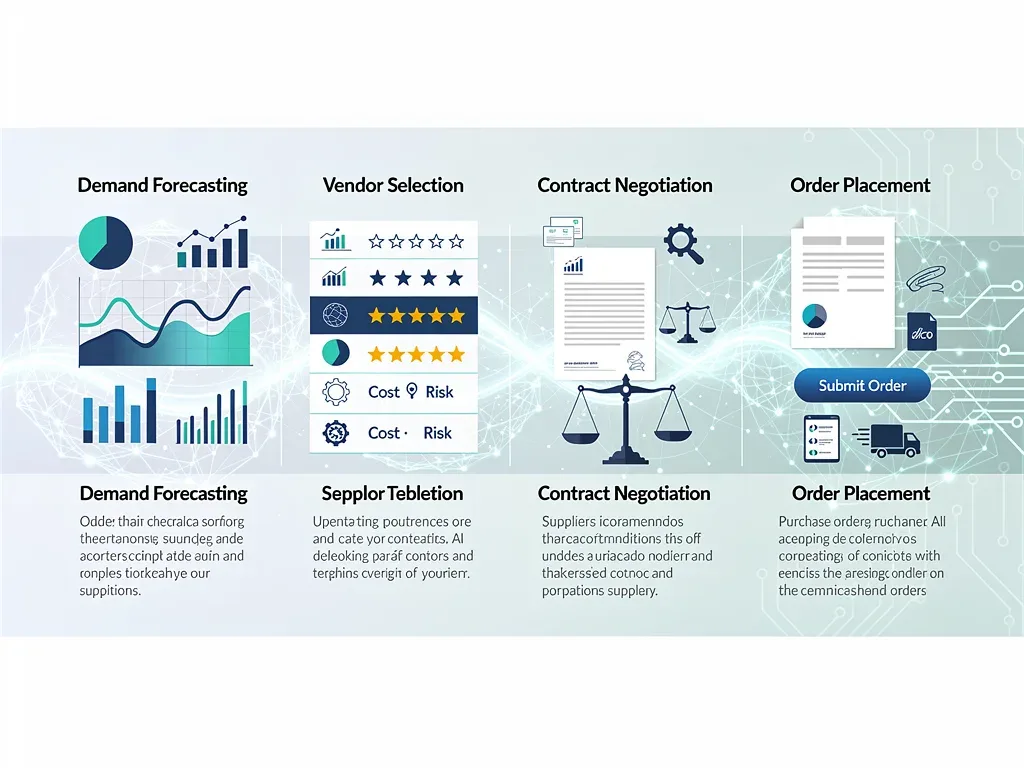
- Automated demand sensing: Predicting future needs with high accuracy.
- Intelligent vendor discovery: Identifying and vetting suppliers based on predefined criteria.
- Dynamic negotiation: Conducting negotiations with suppliers using AI-powered algorithms.
- Contract lifecycle management: Automating the creation, execution, and monitoring of contracts.
The integration of these functionalities creates a seamless, efficient, and largely self-regulating procurement ecosystem. This shift liberates procurement teams from repetitive, transactional tasks, allowing them to focus on strategic initiatives and higher-value activities. The result is a more agile, cost-effective, and resilient supply chain, directly contributing to the reported 22% reduction in overhead.
Unpacking the 22% Overhead Reduction: Key Drivers and Mechanisms
The projected 22% reduction in supply chain overhead by 2026 is not an arbitrary figure but a reflection of the multifaceted benefits autonomous sourcing brings to U.S. B2B enterprises. This substantial saving is driven by a combination of operational efficiencies, strategic cost avoidance, and enhanced risk management capabilities inherent in autonomous systems. Understanding these drivers is crucial to appreciating the transformative power of this technology.
One primary mechanism for cost reduction lies in the elimination of manual labor. Traditional sourcing processes are often labor-intensive, requiring significant human hours for research, communication, negotiation, and administration. Autonomous systems automate these tasks, drastically reducing the need for human intervention and, consequently, the associated labor costs. This allows existing personnel to be reallocated to more strategic roles, maximizing human capital.
Efficiency gains and process optimization
Autonomous sourcing optimizes various aspects of the procurement process, leading to significant efficiency gains:
- Faster cycle times: Automated processes accelerate the entire sourcing cycle, from requisition to order, reducing lead times and improving responsiveness.
- Reduced errors: AI-driven systems minimize human error in data entry, analysis, and decision-making, preventing costly mistakes.
- Optimized resource allocation: By automating routine tasks, resources can be redirected towards higher-value activities like strategic supplier relationship management and innovation.
These efficiency improvements not only save money but also enhance the overall agility and competitiveness of the enterprise. The ability to react quickly to market changes and secure favorable terms is a direct outcome of these optimized processes. The autonomous sourcing supply chain allows for a level of precision and speed that manual systems simply cannot match.
Leveraging AI and Machine Learning for Smarter Sourcing Decisions
At the heart of autonomous sourcing's success are artificial intelligence (AI) and machine learning (ML) algorithms. These technologies are not just automating tasks; they are enabling systems to make smarter, more informed decisions that directly impact cost savings and operational effectiveness. For U.S. B2B enterprises, this translates into a significant competitive advantage, allowing them to optimize every aspect of their procurement strategy.
AI algorithms can analyze vast datasets, identifying patterns and trends that would be invisible to human analysts. This includes historical purchasing data, market fluctuations, supplier performance metrics, and even geopolitical events. By processing this information in real-time, autonomous systems can predict demand with greater accuracy, identify optimal suppliers, and even forecast potential supply chain disruptions, allowing for proactive mitigation strategies.
Predictive analytics for demand and pricing
One of the most powerful applications of AI in autonomous sourcing is predictive analytics. This capability allows systems to:
- Forecast demand: Accurately predict future material and service needs, preventing overstocking or stockouts.
- Analyze pricing trends: Identify optimal times to purchase based on market dynamics and supplier behavior.
- Assess supplier risk: Evaluate potential suppliers based on financial stability, performance history, and ethical considerations.
By making data-driven predictions, enterprises can secure better pricing, reduce waste, and ensure a consistent supply of necessary materials. This intelligent decision-making process is a cornerstone of the 22% overhead reduction, as it directly impacts purchasing costs and inventory management. The continuous learning capabilities of ML models mean that these systems become progressively more accurate and effective over time, constantly refining their strategies for the autonomous sourcing supply chain.
Overcoming Implementation Challenges and Ensuring ROI
While the benefits of autonomous sourcing are clear, U.S. B2B enterprises must navigate several challenges to successfully implement these advanced systems and realize the promised 22% overhead reduction. The journey to full autonomy requires careful planning, significant investment, and a strategic approach to change management. It's not simply about installing new software; it's about fundamentally reshaping procurement processes and organizational culture.
One of the primary hurdles is data integration. Autonomous sourcing systems rely on clean, comprehensive, and real-time data from various internal and external sources. Many enterprises grapple with siloed data, legacy systems, and inconsistent data quality, which can impede the effectiveness of AI and ML algorithms. Addressing these data challenges through robust data governance and integration strategies is paramount for successful implementation.
Key considerations for successful adoption
To ensure a strong return on investment (ROI) and overcome common pitfalls, enterprises should focus on several key areas:
- Phased implementation: Start with pilot programs in specific areas to test and refine the system before a full-scale rollout.
- Talent development: Invest in training procurement teams to work alongside autonomous systems, focusing on strategic oversight and data interpretation.
- Vendor collaboration: Work closely with technology providers to customize solutions that align with specific business needs and existing infrastructure.
Addressing these challenges proactively ensures that the transition to an autonomous sourcing model is smooth and effective. The initial investment in technology and training will be quickly recouped through the significant cost savings and efficiencies generated, making the autonomous sourcing supply chain a strategic imperative rather than just a technological upgrade.
The Strategic Impact of Autonomous Sourcing on Business Resilience
Beyond direct cost savings, autonomous sourcing significantly enhances the strategic resilience of U.S. B2B enterprises. In an increasingly volatile global economy, the ability to adapt quickly to disruptions, mitigate risks, and maintain operational continuity is invaluable. Autonomous systems provide the agility and foresight necessary to navigate unforeseen challenges, transforming supply chain vulnerabilities into strengths.
Traditional supply chains are often reactive, responding to disruptions after they occur. Autonomous sourcing, powered by AI and real-time data analytics, shifts this paradigm to a proactive stance. These systems can monitor global events, identify potential risks in the supply chain—such as natural disasters, geopolitical tensions, or supplier financial instability—and automatically trigger alternative sourcing strategies or contingency plans. This minimizes downtime and ensures a steady flow of materials, even in adverse conditions.

Enhanced risk management and adaptability
Autonomous sourcing contributes to business resilience through:
- Real-time risk monitoring: Continuously scanning for potential disruptions and assessing their impact.
- Automated contingency planning: Automatically identifying and activating alternative suppliers or logistics routes.
- Diversified supplier networks: AI-driven insights help build more robust and diversified supplier portfolios, reducing reliance on single sources.
This proactive approach to risk management not only protects the enterprise from financial losses but also safeguards its reputation and customer relationships. The resilience built through an autonomous sourcing supply chain is a critical asset in today's unpredictable business environment, ensuring long-term stability and growth.
Future Outlook: Expanding Horizons of Autonomous Procurement
As 2026 approaches, the trajectory for autonomous sourcing in U.S. B2B enterprises points towards continued growth and expanded capabilities. The projected 22% reduction in supply chain overhead is just the beginning; future developments promise even greater efficiencies and strategic advantages. The evolution of AI, coupled with advancements in data processing and connectivity, will unlock new frontiers for autonomous procurement, further solidifying its role as a cornerstone of modern business operations.
One significant area of future expansion lies in deeper integration with other enterprise systems, such as enterprise resource planning (ERP), customer relationship management (CRM), and manufacturing execution systems (MES). This holistic integration will create a truly intelligent and interconnected operational ecosystem, where procurement decisions are seamlessly aligned with overall business objectives, from production schedules to customer delivery promises. This level of synchronization will drive additional layers of efficiency and cost optimization.
Emerging trends in autonomous sourcing
Looking ahead, several key trends are expected to shape the future of autonomous sourcing:
- Hyper-personalization in sourcing: AI will enable even more granular and tailored sourcing strategies based on specific product requirements and market conditions.
- Ethical and sustainable sourcing: Autonomous systems will increasingly incorporate environmental, social, and governance (ESG) criteria into supplier selection and monitoring, ensuring responsible procurement.
- Blockchain integration: Enhanced transparency and traceability in the supply chain through blockchain technology, further improving trust and efficiency.
These advancements will not only amplify the cost-saving potential but also elevate the strategic importance of procurement within the enterprise. The autonomous sourcing supply chain will become a dynamic, self-optimizing entity, continuously adapting to market changes and driving sustainable competitive advantage. For U.S. B2B enterprises, embracing these future trends will be essential for maintaining leadership in a rapidly evolving global marketplace.
| Key Aspect | Description |
|---|---|
| Cost Reduction Target | U.S. B2B enterprises aim to reduce supply chain overhead by 22% by 2026. |
| Core Technologies | AI, Machine Learning, and Robotic Process Automation drive autonomous sourcing. |
| Key Benefits | Enhanced efficiency, strategic cost avoidance, improved risk management, and business resilience. |
| Implementation Focus | Data integration, phased rollout, talent development, and vendor collaboration are crucial. |
Frequently Asked Questions About Autonomous Sourcing
What is autonomous sourcing in the supply chain context?▼Autonomous sourcing refers to the use of AI, machine learning, and automation to independently manage and optimize procurement processes, from identifying needs to negotiating and executing contracts, with minimal human intervention.
How does autonomous sourcing lead to cost reductions?▼It reduces costs by automating labor-intensive tasks, minimizing human error, optimizing supplier selection and negotiation, and providing predictive insights for better purchasing decisions, leading to significant overhead savings.
What are the main technologies behind autonomous sourcing?▼The core technologies include Artificial Intelligence (AI) for decision-making, Machine Learning (ML) for pattern recognition and prediction, and Robotic Process Automation (RPA) for executing repetitive tasks.
What challenges might U.S. B2B enterprises face during implementation?▼Key challenges include ensuring data quality and integration, managing the transition for existing procurement teams, and selecting the right technology partners. A phased approach is often recommended.
Beyond cost savings, what other benefits does autonomous sourcing offer?▼It significantly enhances business resilience, improves supply chain agility, strengthens risk management capabilities, and enables more strategic decision-making, ensuring continuous operations even amidst disruptions.
Conclusion
The journey towards an autonomous sourcing supply chain is not merely a technological upgrade but a strategic imperative for U.S. B2B enterprises aiming for sustained growth and profitability. The projected 22% reduction in supply chain overhead by 2026 underscores the immense potential of AI and automation to revolutionize procurement. By embracing these advanced solutions, businesses can navigate the complexities of the global market with unprecedented efficiency, resilience, and strategic foresight, ultimately securing a significant competitive advantage in the years to come. The future of procurement is autonomous, intelligent, and undeniably transformative.
