Biometric Checkout Trends: 35% US Retailers Embrace Palm & Face Pay
Advertisements
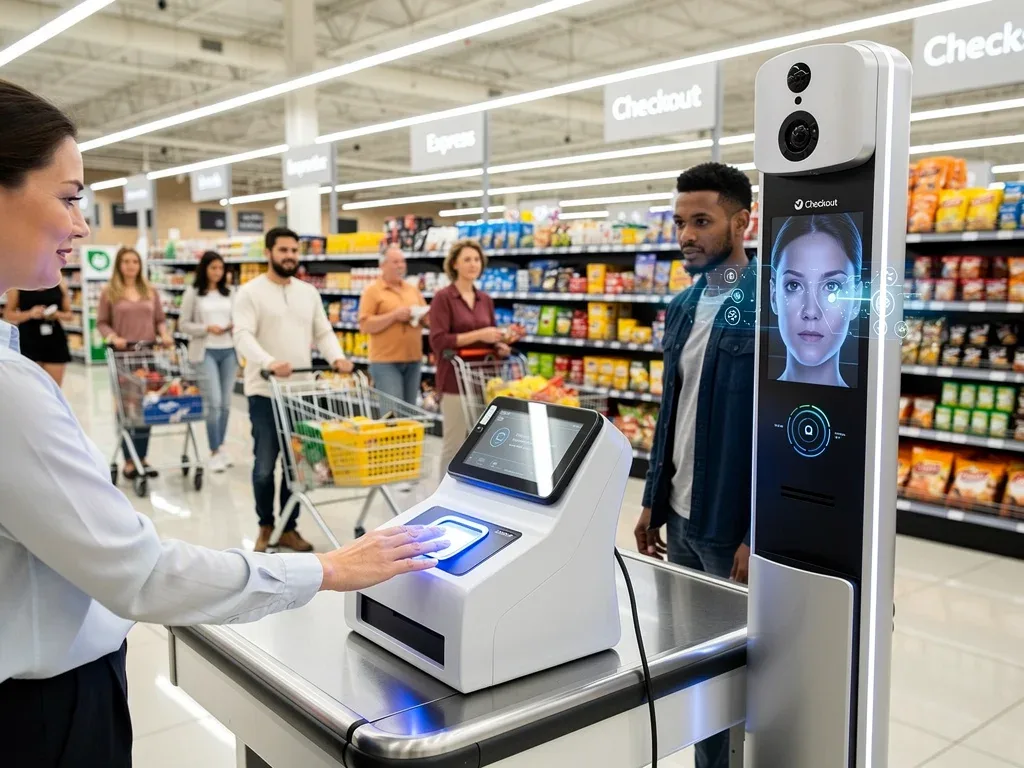
The integration of biometric checkout systems, including palm and facial recognition, is rapidly transforming the US retail landscape, with 35% of major retailers now leveraging these advanced payment methods to enhance efficiency and security for consumers.
The retail industry is undergoing a profound transformation, driven by an insatiable demand for convenience, security, and efficiency. One of the most significant shifts currently reshaping how consumers pay is the widespread adoption of biometric checkout trends. Imagine walking into your favorite store, grabbing your items, and simply walking out, with payment processed seamlessly through a glance or a wave of your hand. This futuristic vision is quickly becoming a reality, with a staggering 35% of major US retailers already integrating palm and facial payment systems into their operations.
The rise of biometric payments in US retail
The journey towards a truly frictionless shopping experience is accelerating, and biometric payment systems are at the forefront of this revolution. These innovative technologies leverage unique biological characteristics to authenticate identity and authorize transactions, fundamentally changing the checkout process. From reducing wait times to bolstering security, the advantages are compelling for both consumers and retailers.
Retailers are increasingly recognizing the strategic value of biometrics. The initial investment, while substantial, is often justified by the long-term benefits of increased customer satisfaction, improved operational efficiency, and a significant reduction in fraud. As consumers grow more comfortable with these technologies in other aspects of their lives, their acceptance in retail environments is rapidly expanding.
Understanding the core biometric technologies
While the term 'biometric payment' encompasses various methods, two distinct technologies are currently leading the charge in US retail:
- Palm recognition: This method analyzes the unique patterns of veins beneath the skin of a person's palm. It offers a high degree of accuracy and is often perceived as more hygienic than fingerprint scanning, as it doesn't require direct contact with a surface.
- Facial recognition: Utilizing advanced AI algorithms, facial recognition systems map and analyze unique facial features to verify identity. This technology is becoming ubiquitous, from unlocking smartphones to accessing secure facilities, making its integration into payment systems a natural progression.
- Iris scanning: Though less common in mainstream retail checkout due to its complexity and cost, iris scanning offers an even higher level of security by analyzing the intricate patterns of the iris.
The strategic deployment of these technologies is not just about novelty; it's about solving real-world retail challenges. From expediting peak-hour transactions to offering a more personalized customer journey, biometrics are proving to be a game-changer. The move away from traditional payment methods like cards and cash is not merely a convenience; it is a fundamental shift in how transactions are perceived and executed, driven by a desire for both speed and ironclad security.
Driving factors behind biometric adoption
Several powerful forces are converging to accelerate the adoption of biometric payment systems across the United States. Retailers are not merely jumping on a technological bandwagon; they are responding to evolving consumer expectations, competitive pressures, and the persistent need for enhanced security measures. Understanding these drivers is key to grasping the trajectory of this transformative trend.
Consumer behavior has shifted dramatically in recent years, with a growing preference for digital, contactless, and seamless interactions. The convenience offered by biometric payments aligns perfectly with this modern mindset, promising faster transactions and a more personalized experience. Furthermore, the COVID-19 pandemic significantly boosted the demand for touchless solutions, cementing biometrics as a hygienic alternative to traditional payment methods.
Enhanced security and fraud prevention
One of the most compelling arguments for biometric checkout systems is their superior security features. Unlike passwords or physical cards, biometric data is incredibly difficult to replicate or steal. Each individual's palm vein pattern or facial geometry is unique, providing a robust layer of authentication that significantly reduces the risk of fraud.
- Reduced chargebacks: Biometric authentication provides irrefutable proof of identity, minimizing disputes and chargebacks for retailers.
- Elimination of lost/stolen cards: With no physical card required, consumers are protected from the risks associated with lost or stolen payment instruments.
- Dynamic encryption: Many biometric systems employ advanced encryption protocols, further safeguarding sensitive data during transactions.
Beyond security, the operational efficiencies gained are substantial. Faster transaction times mean shorter queues, which translates to a better customer experience and higher throughput for retailers. This efficiency is particularly valuable during peak shopping seasons, where every second saved at checkout can significantly impact sales volume and customer satisfaction. The blend of security, speed, and convenience makes biometric payments an irresistible proposition for forward-thinking retailers.
Consumer perception and acceptance
While the technological capabilities of biometric payment systems are impressive, their widespread success hinges on consumer acceptance. For any new technology to truly take hold, it must not only be functional but also inspire trust and confidence among its users. The adoption rate of biometric checkout systems is a testament to a growing shift in consumer perception, moving from initial skepticism to increasing embrace.
Early concerns often revolved around privacy and data security. Consumers naturally questioned how their unique biological data would be stored, protected, and used. However, as biometrics have become integrated into everyday devices like smartphones and laptops, a greater level of familiarity and comfort has developed. Retailers and technology providers have also played a crucial role by emphasizing robust encryption, transparent data policies, and the convenience benefits.
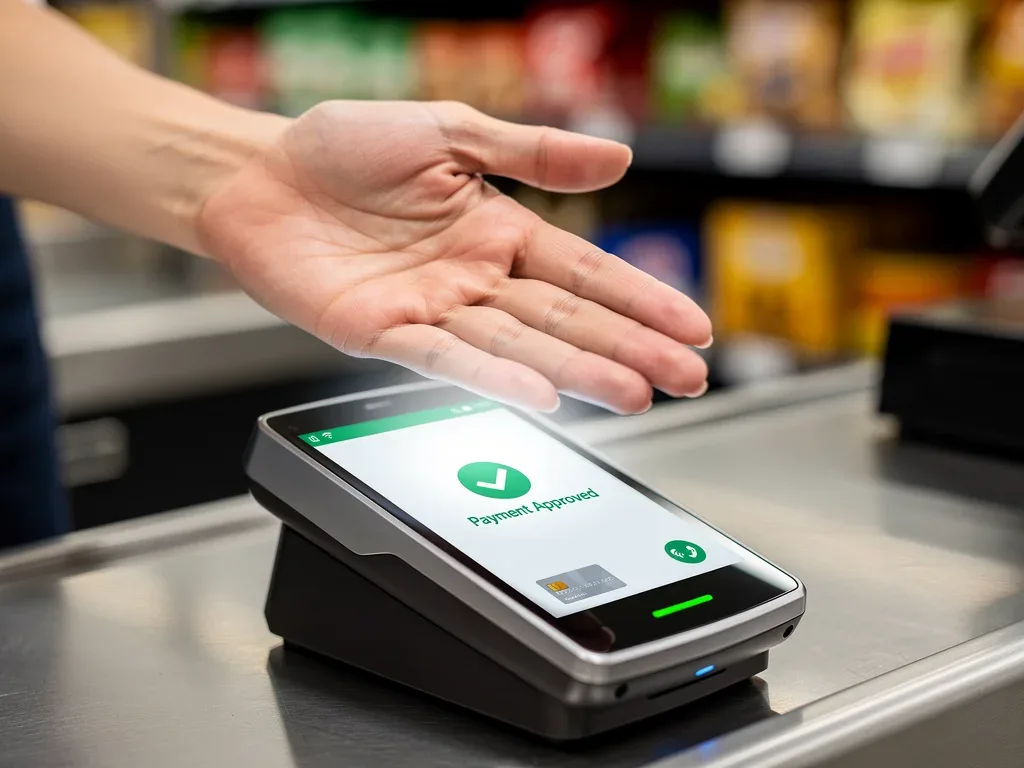
Addressing privacy concerns and building trust
The issue of privacy remains paramount, and successful biometric deployments actively address these concerns:
- Data anonymization: Many systems convert biometric data into encrypted tokens rather than storing raw images, making it virtually impossible to reverse-engineer an individual's identity from the stored data.
- Opt-in models: Most biometric payment systems operate on an opt-in basis, giving consumers full control over whether they wish to enroll and use the service.
- Clear communication: Retailers are increasingly transparent about their data handling practices, often providing detailed FAQs and privacy policies to educate consumers.
The tangible benefits of speed and convenience are powerful motivators for adoption. Shoppers appreciate the ability to complete transactions without fumbling for wallets or remembering PINs. This frictionless experience enhances the overall shopping journey, making it more enjoyable and less stressful. As more people experience these advantages firsthand, the positive word-of-mouth contributes significantly to broader acceptance. The trend indicates that consumers are increasingly willing to trade traditional payment methods for the efficiency and perceived security of biometrics, provided their privacy concerns are adequately addressed.
Implementation challenges and considerations
The integration of biometric checkout systems, while promising, is not without its complexities. Retailers embarking on this technological upgrade face a myriad of challenges, from significant upfront investments to ensuring seamless compatibility with existing infrastructure. Addressing these considerations thoughtfully is crucial for a successful rollout and sustained operation.
One of the primary hurdles is the capital expenditure required to procure and install the necessary hardware and software. This includes biometric scanners, upgraded point-of-sale (POS) systems, and robust network infrastructure capable of handling the increased data traffic. Furthermore, integrating these new systems with legacy inventory management, loyalty programs, and accounting software can be a complex and time-consuming process, often requiring custom development or extensive API work.
Navigating technical and operational hurdles
Beyond the financial investment, technical and operational challenges demand careful planning:
- System integration: Ensuring the new biometric payment solution communicates effectively with existing retail systems (POS, CRM, inventory) is paramount to avoid operational silos and data inconsistencies.
- Scalability: The chosen solution must be scalable to accommodate future growth and potential expansion to more store locations or higher transaction volumes.
- Maintenance and support: Retailers need to establish robust maintenance protocols and ensure adequate technical support is available to address any system malfunctions or customer issues promptly.
Employee training is another critical aspect. Staff must be educated on how to operate the new systems, troubleshoot common issues, and effectively assist customers with enrollment and usage. A poorly trained staff can undermine the benefits of even the most advanced technology. Moreover, regulatory compliance, particularly regarding data privacy laws like CCPA, requires careful attention to ensure that biometric data is collected, stored, and processed in accordance with legal mandates. Overcoming these challenges requires a strategic approach, a willingness to invest, and a clear understanding of both the technological and human elements involved in such a significant transformation.
The competitive edge for early adopters
In the fiercely competitive retail landscape, innovation is often the key differentiator. Retailers who are early adopters of advanced technologies like biometric checkout systems are not just modernizing their operations; they are strategically positioning themselves for a significant competitive advantage. This forward-thinking approach can translate into enhanced brand perception, increased customer loyalty, and ultimately, a healthier bottom line.
Being among the first to offer such a cutting-edge payment option creates a powerful statement about a brand's commitment to innovation and customer experience. It projects an image of modernity and efficiency, attracting tech-savvy consumers who value convenience and seamless interactions. This can be particularly impactful in saturated markets where differentiation is challenging.
Benefits beyond transaction speed
The advantages extend far beyond merely speeding up the checkout process:
- Enhanced brand image: Positioning a brand as a technological leader can attract new demographics and reinforce loyalty among existing customers.
- Deeper customer insights: Biometric systems can be integrated with loyalty programs to offer more personalized shopping experiences and targeted promotions, based on identifiable customer patterns (with appropriate privacy safeguards).
- Reduced operational costs: Over time, the efficiency gains from faster transactions and reduced fraud can lead to significant savings in labor and loss prevention.
Furthermore, the data collected through biometric transactions, when anonymized and aggregated, can provide invaluable insights into consumer behavior and preferences. This data can inform merchandising strategies, optimize store layouts, and personalize marketing efforts, leading to a more effective and responsive retail operation. Early adopters are essentially building a future-proof foundation, preparing for a retail environment where speed, security, and personalization are not just desirable but expected. Their willingness to embrace this change allows them to capture market share and set new benchmarks for customer satisfaction in the digital age.
Future outlook: expanding biometric horizons
The current adoption rate of 35% among major US retailers is just the beginning of a much larger trend. The future of biometric checkout systems is poised for significant expansion, driven by continuous technological advancements, increasing consumer comfort, and the ever-present demand for a seamless shopping experience. We can anticipate not only broader implementation but also the evolution of existing technologies and the emergence of new biometric modalities.
Innovations in artificial intelligence and machine learning will further refine the accuracy and speed of facial and palm recognition systems, making them even more reliable and efficient. The cost of these technologies is also expected to decrease over time, making them more accessible to a wider range of retailers, including small and medium-sized businesses. This democratization of biometric payments will accelerate their ubiquity across various retail sectors.
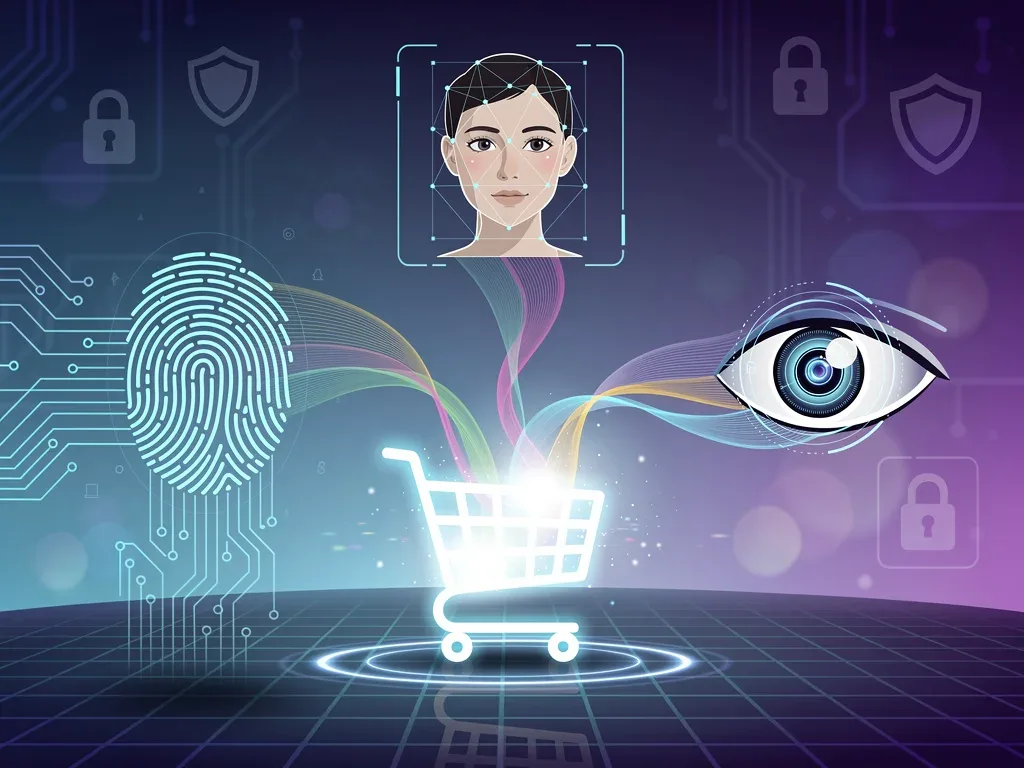
Emerging technologies and integration points
Beyond current applications, several exciting developments are on the horizon:
- Multi-modal biometrics: Combining two or more biometric identifiers (e.g., face and voice) for an even higher level of security and authentication.
- Wearable integration: Seamless payments through smartwatches or other wearables, authenticated by biometrics, could become more common.
- In-store personalization: Biometric identification could enable highly personalized shopping experiences, from tailored recommendations to instant access to loyalty benefits upon entering a store (with explicit consent).
The integration of biometric data with other smart retail technologies, such as IoT sensors and augmented reality, promises to create truly immersive and personalized shopping journeys. Imagine a store that recognizes you, anticipates your needs, and offers personalized recommendations, all while maintaining your privacy and ensuring secure transactions. This vision is not far off. As the infrastructure matures and public trust deepens, biometric checkout systems will become a standard, rather than an exception, fundamentally reshaping the retail experience for generations to come. The trajectory points towards a future where payment is invisible, secure, and intrinsically linked to individual identity, offering unparalleled convenience and efficiency.
| Key Trend | Brief Description |
|---|---|
| High Adoption Rate | 35% of major US retailers have implemented palm and facial payment systems. |
| Key Technologies | Palm vein recognition and facial recognition are leading biometric payment methods. |
| Core Drivers | Enhanced security, fraud prevention, and consumer demand for convenience. |
| Future Growth | Expect broader implementation, multi-modal biometrics, and wearable integration. |
Frequently asked questions about biometric checkout
What are biometric checkout systems?▼Biometric checkout systems use unique biological characteristics, such as palm vein patterns or facial features, to authenticate a customer's identity and process payments. This eliminates the need for physical cards or cash, offering a faster and more secure transaction experience in retail environments.
How secure are biometric payment methods?▼Biometric payments are generally considered highly secure due to the uniqueness of biological data. Systems often convert biometric scans into encrypted tokens rather than storing raw images, making it extremely difficult for fraudsters to replicate or misuse the data, significantly reducing fraud risks.
Which biometric technologies are most common in US retail?▼In the US retail sector, palm recognition, which scans unique vein patterns, and facial recognition, which analyzes distinct facial features, are the most prevalent biometric technologies being adopted for checkout systems. Both offer speed, convenience, and enhanced security for consumers.
What are the benefits for retailers adopting biometrics?▼Retailers benefit from reduced transaction times, leading to shorter queues and improved customer satisfaction. They also experience lower fraud rates, reduced chargebacks, and can leverage enhanced data insights for personalized marketing, ultimately boosting operational efficiency and brand image.
Are consumers comfortable with biometric payments?▼Consumer comfort with biometric payments is growing rapidly, driven by convenience and familiarity with biometrics in other devices. Retailers address privacy concerns through transparent data policies and opt-in systems, fostering trust and accelerating the adoption of these innovative payment solutions across the US.
Conclusion
The rapid integration of biometric checkout systems, with 35% of major US retailers now utilizing palm and facial payment technologies, marks a pivotal moment in the evolution of consumer trends and retail innovation. This shift is not merely a fleeting fad but a fundamental redefinition of the payment experience, driven by an undeniable demand for speed, security, and personalization. As these technologies continue to mature and consumer acceptance grows, biometric payments are poised to become an indispensable component of the modern retail landscape, promising a future where transactions are seamless, secure, and inherently integrated into the shopping journey.
