Clean Label Scrutiny: Why 58% Reject 5+ Ingredient Packaged Goods
Advertisements
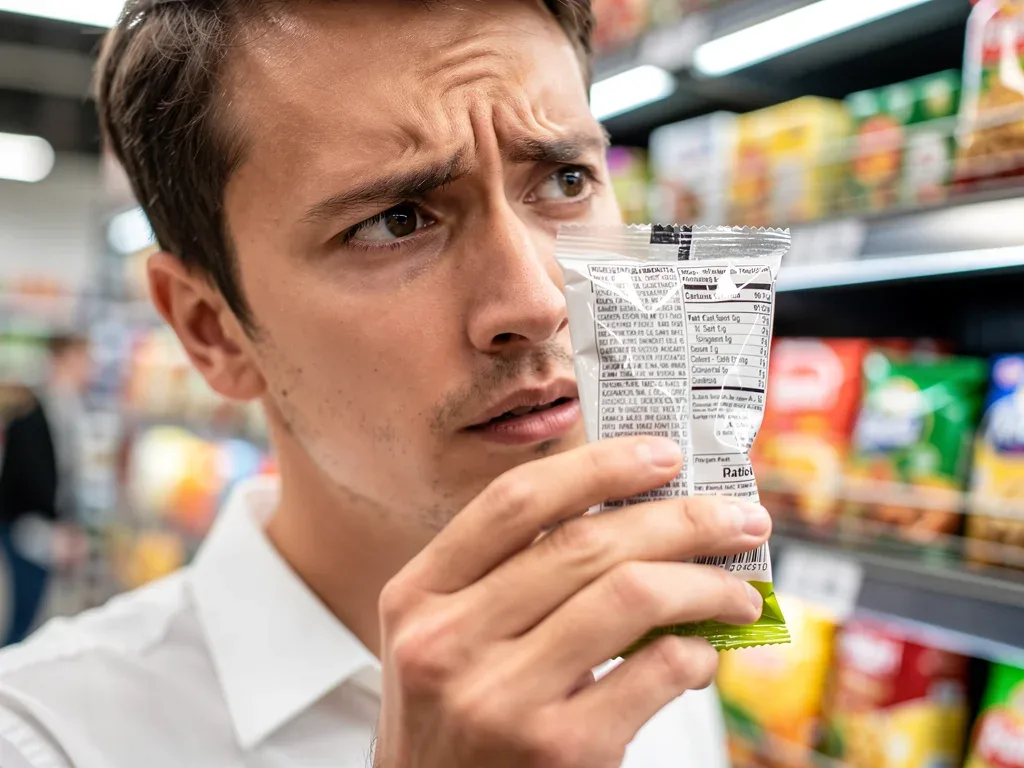
The rising demand for transparency in food ingredients has led 58% of U.S. grocery consumers to reject packaged goods containing more than five ingredients, signaling a significant shift towards cleaner, simpler food choices.
The landscape of food consumption is undergoing a profound transformation. Today, a significant majority of consumers are not just reading labels; they are scrutinizing them with an unprecedented level of detail. This phenomenon, often termed clean label scrutiny, reveals that 58% of grocery consumers in the U.S. are actively rejecting packaged goods that contain more than five ingredients. This trend is not merely a passing fad but a powerful indicator of evolving consumer priorities and a demand for greater transparency in the food industry.
The Rise of Ingredient Consciousness Among Consumers
Consumers are becoming increasingly conscious about what they put into their bodies. This heightened awareness is driving a preference for products with fewer, more recognizable ingredients. The 'less is more' philosophy is now a cornerstone of purchasing decisions for a substantial portion of the population, impacting everything from snacks to ready-to-eat meals.
This shift isn't arbitrary; it's rooted in a desire for simplicity and a distrust of overly processed foods. Many consumers associate a long list of unfamiliar ingredients with artificiality and potential health risks. They seek out products that feel more natural and wholesome, believing these options to be inherently healthier and safer for their families.
What Drives the 'Five-Ingredient Rule'?
The 'five-ingredient rule' isn't a scientifically mandated guideline but rather a heuristic consumers use to quickly assess a product's perceived naturalness. It serves as a mental shortcut, allowing busy shoppers to make informed decisions without needing a degree in food science. This rule simplifies the complex task of navigating crowded supermarket aisles.
- Perceived Naturalness: Fewer ingredients often equate to less processing and more whole foods.
- Ease of Understanding: Shorter lists are easier to comprehend, fostering trust.
- Avoidance of Additives: Consumers aim to steer clear of artificial colors, flavors, and preservatives.
- Health and Wellness: A belief that simpler foods are inherently better for one's health.
Ultimately, the rise of ingredient consciousness reflects a broader cultural movement towards health and wellness, where food plays a central role. Brands that fail to adapt to this evolving consumer mindset risk being left behind in an increasingly competitive market.
Understanding the 'Clean Label' Movement
The 'clean label' movement is more than just a buzzword; it's a fundamental shift in how food products are formulated, marketed, and perceived. It encompasses a range of consumer expectations, including transparency, naturalness, and minimal processing. Consumers want to know where their food comes from and how it's made, demanding clarity on every aspect of the supply chain.
This movement is characterized by a preference for ingredients that are natural, familiar, and easy to pronounce. It often means avoiding artificial additives, synthetic chemicals, and genetically modified organisms (GMOs). For food manufacturers, this translates into a significant challenge: reformulating products to meet these stringent new demands while maintaining taste, texture, and shelf life.
Key Pillars of Clean Label Expectations
Consumers define 'clean label' through several core principles. These principles guide their purchasing behavior and influence their perception of a brand's trustworthiness. Brands that align with these pillars are more likely to gain consumer loyalty.
- Transparency: Full disclosure of ingredients, sourcing, and manufacturing processes.
- Naturalness: Ingredients derived from natural sources, minimally processed.
- Simplicity: Fewer ingredients, easy to understand and recognize.
- Authenticity: Products that are true to their original form, without artificial enhancements.
The clean label movement is also fueled by increased access to information. Social media, health blogs, and documentaries have empowered consumers to educate themselves about food production, leading to a more critical and informed approach to grocery shopping. This collective knowledge has amplified the demand for cleaner, more wholesome food options.
The Impact on Food Manufacturers and Retailers
The growing consumer preference for clean labels and fewer ingredients presents both significant challenges and opportunities for food manufacturers and retailers. Companies that are slow to adapt risk losing market share, while those that embrace transparency and simplicity can build stronger brand loyalty and capture new segments of the market.
Manufacturers are being forced to re-evaluate their entire product portfolios. This often involves costly research and development to find natural alternatives to synthetic ingredients, reformulate recipes, and redesign packaging to highlight clean label attributes. The pressure to innovate while maintaining profitability is immense.
Challenges in Reformulation and Sourcing
Reformulating products to meet clean label standards is complex. Many artificial ingredients play crucial roles in product stability, taste, and appearance. Finding natural substitutes that deliver the same functionality can be difficult and expensive. Sourcing high-quality, natural ingredients in sufficient quantities also poses a logistical challenge.
- Ingredient Replacement: Substituting artificial additives with natural alternatives.
- Flavor and Texture Maintenance: Ensuring new formulations retain consumer appeal.
- Supply Chain Transparency: Verifying the origin and processing of all ingredients.
- Cost Implications: Natural ingredients often cost more, impacting profit margins.
Retailers also play a pivotal role. They must curate their product offerings to align with consumer demands, often prioritizing brands that visibly commit to clean label practices. This can involve creating dedicated 'natural' or 'organic' sections, or actively promoting products with short, understandable ingredient lists. The shift is transforming how store shelves are stocked and merchandised.
Consumer Trust and Brand Loyalty in the Clean Label Era
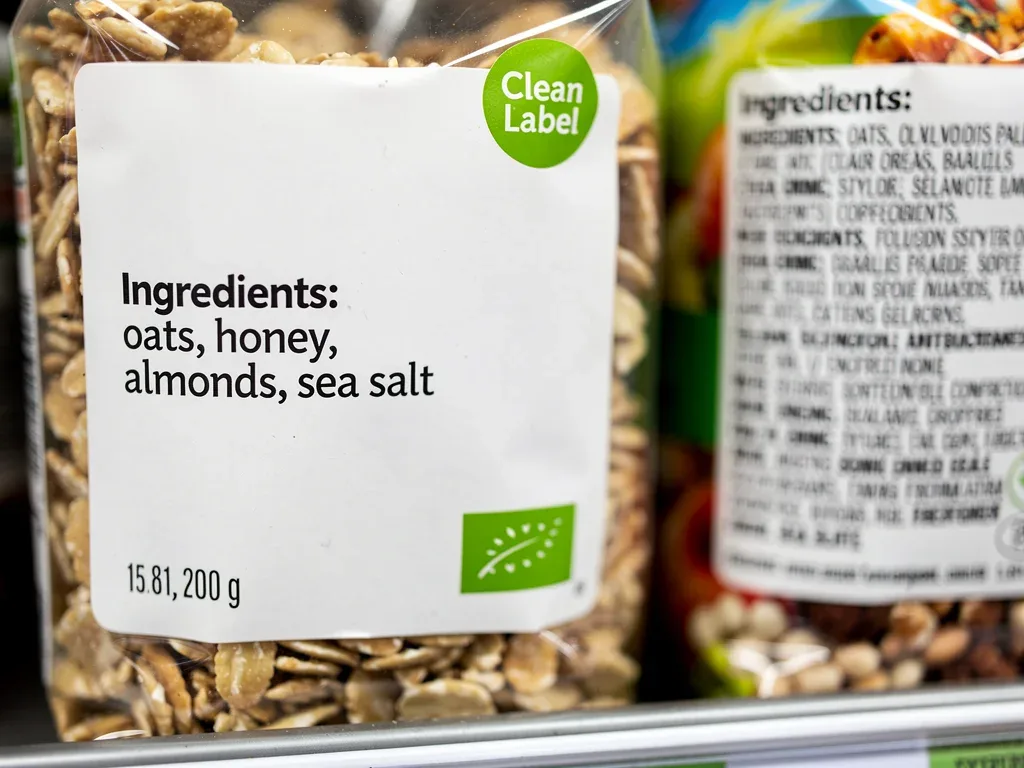
In an age of skepticism, consumer trust is a brand's most valuable asset. The clean label movement is fundamentally about trust—trust that a product is what it claims to be, and trust that it is good for one's health. Brands that demonstrate genuine commitment to transparency and simple ingredients are more likely to earn and retain this trust, fostering deep brand loyalty.
Conversely, brands perceived as opaque or misleading about their ingredients can quickly lose consumer confidence. Social media amplifies both positive and negative perceptions, making it crucial for companies to be authentic and consistent in their clean label messaging. A single misstep can have far-reaching consequences in today's interconnected world.
Building Trust Through Transparency
Transparency extends beyond just the ingredient list. It encompasses clear communication about sourcing, ethical practices, environmental impact, and nutritional information. Consumers want to feel a connection to the brands they support, and transparency helps build that bridge. This means providing easily accessible information, whether on packaging, websites, or social media platforms.
- Clear Labeling: Easy-to-read ingredient lists and nutritional facts.
- Storytelling: Sharing the journey of ingredients from farm to fork.
- Certifications: Displaying recognized third-party certifications (e.g., organic, non-GMO).
- Consumer Engagement: Actively listening to feedback and addressing concerns.
Ultimately, brands that prioritize consumer trust by embracing clean label principles are positioning themselves for long-term success. They are not just selling products; they are selling peace of mind and alignment with consumer values. This strategic approach helps to cultivate a loyal customer base that values health, authenticity, and ethical production.
Technological Advancements Supporting Clean Label
Technological advancements are playing a crucial role in enabling the clean label movement. From innovative food processing techniques to advanced analytical tools, technology is helping manufacturers meet consumer demands for simpler, more natural products. These innovations are making it possible to create clean label foods without compromising on taste, safety, or shelf life.
New extraction methods allow for natural flavors and colors to be derived from plants more efficiently. Advanced preservation techniques, such as high-pressure processing (HPP) or pulsed electric fields (PEF), can extend shelf life without the need for artificial preservatives. These technologies are game-changers for companies striving to innovate within clean label parameters.
Innovation in Ingredient Sourcing and Production
Beyond processing, technology is also transforming how ingredients are sourced and produced. Precision agriculture, for instance, can optimize crop yields and reduce the need for synthetic pesticides. Blockchain technology offers unprecedented transparency in the supply chain, allowing consumers to trace ingredients back to their origin with confidence.
- Biotechnology: Developing natural enzymes or cultures for food processing.
- Advanced Analytics: Ensuring ingredient purity and absence of contaminants.
- Sustainable Sourcing Platforms: Connecting manufacturers with ethical, clean suppliers.
- Smart Packaging: Providing real-time information to consumers about product freshness.
These technological leaps are not just about meeting current demands but are also paving the way for future innovations in clean label food. They empower manufacturers to create healthier, more sustainable, and transparent products, further solidifying the clean label trend as a permanent fixture in the food industry.
The Future Landscape of Food Consumption
The trend of clean label scrutiny is not expected to diminish; instead, it is likely to intensify, shaping the future landscape of food consumption. As consumers become even more educated and health-conscious, their demands for transparency, naturalness, and simplicity will continue to drive innovation and transformation across the entire food ecosystem. This evolution will impact everything from product development to marketing strategies.
We can anticipate a future where clean label is not just a niche market but the default expectation. Brands that proactively embrace these values will thrive, while those that resist will struggle to remain relevant. The industry will likely see a greater emphasis on plant-based ingredients, sustainable sourcing, and personalized nutrition, all under the umbrella of clean eating.
Emerging Trends and Consumer Expectations
Several emerging trends will further solidify the clean label movement. These include a heightened focus on environmental sustainability, ethical labor practices, and the nutritional density of foods. Consumers are increasingly viewing their food choices as an extension of their values, pushing brands to adopt a more holistic approach to product development.
- Personalized Nutrition: Tailored food recommendations based on individual health needs.
- Sustainable Packaging: Demand for eco-friendly and biodegradable materials.
- Ethical Sourcing: Preference for products that support fair labor and animal welfare.
- Functional Foods: Foods offering additional health benefits beyond basic nutrition.
The future of food consumption will be defined by a dynamic interplay between consumer demands, technological innovation, and regulatory frameworks. Brands that can authentically communicate their commitment to clean label principles, backed by tangible actions, will be best positioned to succeed in this evolving market. The era of complex, unpronounceable ingredient lists is steadily drawing to a close, ushering in a new age of food transparency and consumer empowerment.

| Key Point | Brief Description |
|---|---|
| Consumer Rejection | 58% of consumers reject packaged goods with more than five ingredients due to clean label scrutiny. |
| Clean Label Movement | A broad trend emphasizing transparency, naturalness, and minimal processing in food products. |
| Industry Impact | Manufacturers face reformulation challenges; retailers adapt product offerings to meet demand. |
| Future Outlook | Clean label is becoming a default expectation, driving sustainable and personalized food trends. |
Frequently Asked Questions About Clean Label Scrutiny
What does 'clean label scrutiny' mean for consumers?▼Clean label scrutiny refers to consumers' detailed examination of food product labels, prioritizing transparency, natural ingredients, and minimal processing. This often leads to a preference for products with shorter, more understandable ingredient lists, reflecting a desire for healthier and more authentic food choices.
Why do 58% of consumers reject products with over five ingredients?▼This rejection stems from a perception that products with many ingredients are highly processed and may contain artificial additives. Consumers use the 'five-ingredient rule' as a heuristic for naturalness and simplicity, believing fewer ingredients equate to healthier, less complicated food options for themselves and their families.
How are food manufacturers responding to clean label demands?▼Food manufacturers are responding by reformulating products, replacing artificial additives with natural alternatives, and focusing on transparent ingredient sourcing. This involves significant investment in R&D to maintain product quality, taste, and shelf life while adhering to clean label principles, often redesigning packaging for clarity.
What role does technology play in the clean label movement?▼Technology supports clean label through innovations in food processing, such as high-pressure processing for preservation, and advanced analytics for ingredient purity. It also enhances supply chain transparency via blockchain, allowing consumers to trace ingredients and ensuring ethical and sustainable sourcing practices are maintained.
Will the clean label trend continue to grow in the future?▼Yes, the clean label trend is expected to intensify, becoming a standard expectation rather than a niche. Driven by increasing consumer education and health consciousness, it will continue to influence product development, marketing, and retail strategies, pushing for greater transparency, sustainability, and personalized nutrition across the food industry.
Conclusion
The profound shift in consumer behavior, characterized by intense clean label scrutiny, is undeniably reshaping the food industry. The statistic that 58% of grocery consumers reject packaged goods with more than five ingredients underscores a powerful demand for simplicity, transparency, and naturalness. This isn't merely a fleeting trend but a deeply embedded value system that prioritizes health, trust, and authenticity. Food manufacturers and retailers must adapt proactively, embracing innovation in ingredient sourcing and formulation, and fostering genuine transparency to build lasting consumer loyalty. As this movement continues to evolve, the future of food will undoubtedly be defined by cleaner labels and a more informed, empowered consumer base.
