Cross-Border Talent Hiring in 2026: 3 Legal Hurdles for US Organizations
Advertisements
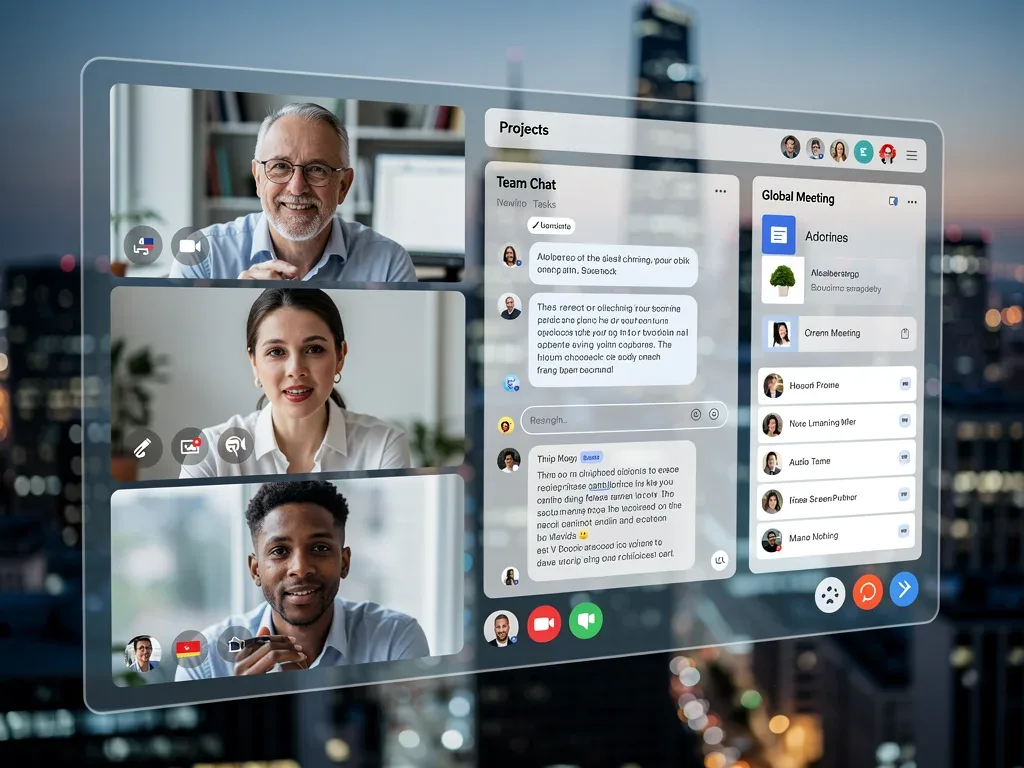
Cross-border talent hiring in 2026 requires US organizations to meticulously navigate evolving immigration regulations, intricate international tax obligations, and diverse global labor laws to ensure compliant and successful global workforce integration.
The landscape of work is changing, and with it, the boundaries of talent acquisition. For US organizations eyeing a competitive edge, cross-border talent hiring in 2026 is no longer a luxury but a strategic imperative. Yet, this global expansion comes with its own set of intricate legal challenges. Understanding and proactively addressing these hurdles is paramount for sustainable international growth and avoiding costly compliance pitfalls.
The Evolving Immigration Maze: Visa Sponsorship and Compliance
Expanding your talent search beyond US borders brings immediate attention to immigration laws. The year 2026 promises a dynamic, and often complex, environment for visa sponsorships and ensuring compliance with ever-changing regulations. Organizations must prepare for increased scrutiny and evolving requirements.
Navigating the various visa categories and ensuring proper documentation for each international hire is a significant undertaking. The process is not static; it requires continuous monitoring of policy changes and updates from agencies like USCIS and the Department of State.
Understanding Key Visa Categories for Talent Acquisition
For US companies, several visa types are commonly utilized for foreign talent, each with specific criteria and limitations. Identifying the correct visa for a role is the first critical step in a compliant hiring process.
- H-1B Visas: For specialty occupations, requiring a bachelor's degree or its equivalent. Subject to annual caps and a lottery system, making it highly competitive.
- L-1 Intracompany Transferee Visas: For employees transferring from a foreign office of a US company to a US office, requiring specialized knowledge or executive/managerial capacity.
- O-1 Visas: For individuals with extraordinary ability in their field, often used for highly specialized or acclaimed professionals.
- E-3 Visas: Specifically for Australian citizens in specialty occupations, offering a more streamlined process than the H-1B.
Each category demands meticulous preparation and adherence to strict guidelines. Missteps can lead to delays, denials, and even legal repercussions for both the employer and the employee.
Compliance Risks and Best Practices in Immigration
Beyond securing the initial visa, organizations face ongoing compliance obligations. These include maintaining accurate records, adhering to wage requirements, and reporting any changes in employment status. The cost of non-compliance can be severe, ranging from hefty fines to reputational damage and even debarment from future sponsorship.
Best practices involve establishing a robust internal immigration compliance program. This includes regular audits, training for HR and hiring managers, and partnering with experienced immigration legal counsel. Proactive monitoring of legislative changes and agency guidance is also crucial to stay ahead of potential issues. The immigration landscape is constantly shifting, and what is compliant today may not be tomorrow.
In conclusion, the immigration maze for cross-border talent hiring in 2026 is intricate and demanding. US organizations must invest in expertise and processes to ensure they successfully navigate visa sponsorship and maintain continuous compliance, protecting both their operations and their international hires.
Unraveling International Tax Complexities for Remote Workers
The rise of remote work has blurred geographical lines, but tax obligations remain firmly rooted in physical presence. When hiring talent across borders, especially remote workers, US organizations confront a labyrinth of international tax laws. This complexity extends beyond income tax to social security, payroll taxes, and potentially even corporate tax implications.
Understanding where an employee is considered a tax resident and what constitutes a permanent establishment for your company in a foreign jurisdiction is critical. These determinations directly impact your tax liabilities and reporting requirements. Ignoring these complexities can lead to significant financial penalties and legal disputes with foreign tax authorities.
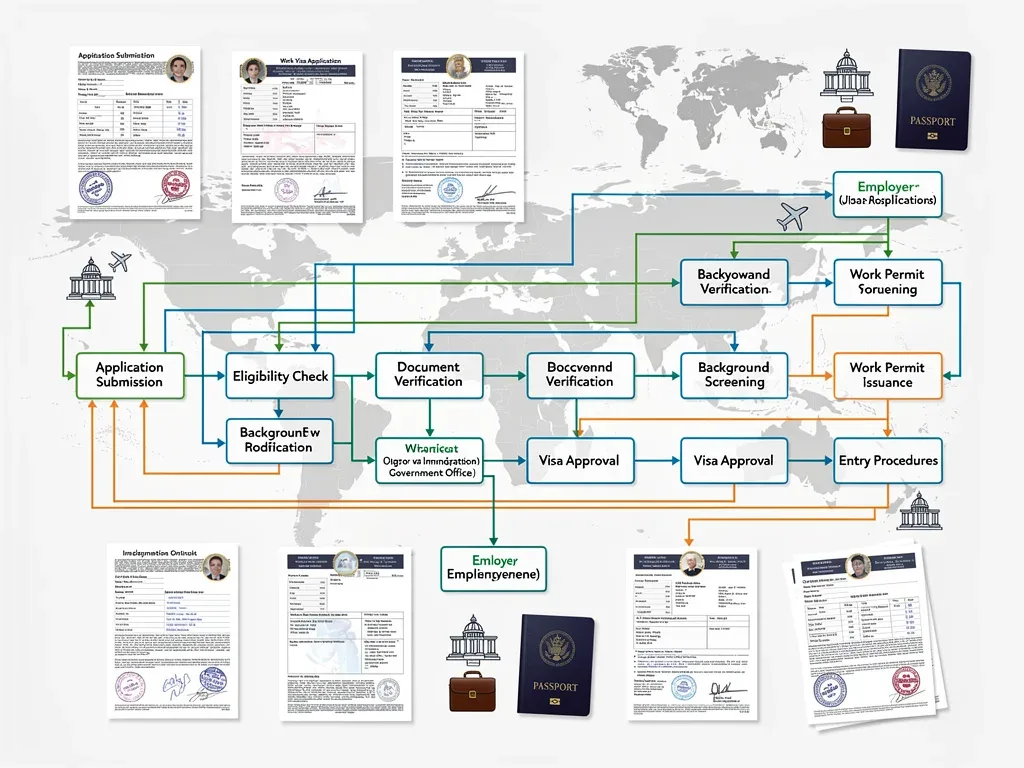
Navigating Permanent Establishment Risks
A significant concern for US companies hiring remotely abroad is inadvertently creating a 'permanent establishment' (PE) in a foreign country. A PE can trigger corporate tax obligations in that country, even if the company has no physical office there. This is often determined by the activities performed by the remote employee.
- Service PE: If an employee continuously performs services for your company in a foreign country for a certain period (e.g., 6-12 months, depending on treaties).
- Dependent Agent PE: If an employee has the authority to conclude contracts on behalf of the company and habitually exercises that authority.
- Fixed Place of Business PE: While less common for remote workers, if the home office is considered a fixed place of business at the company's disposal.
Mitigating PE risks requires careful structuring of employment agreements, clear policies on employee activities, and potentially engaging local legal and tax advisors. The rules vary significantly by country and are often subject to interpretation by local tax authorities.
Payroll Taxes and Social Security Contributions
Beyond corporate tax, organizations must grapple with foreign payroll taxes and social security contributions. The US has totalization agreements with some countries to prevent double taxation on social security, but these agreements are not universal. Without such an agreement, both the US and the foreign country might require contributions, increasing costs significantly.
Each country has its own system for withholding income tax, social security, and other mandatory contributions. US companies must either establish a local entity, use a professional employer organization (PEO) or employer of record (EOR), or navigate complex direct employer registration processes in each country where they have employees. This administrative burden can be substantial.
In essence, the tax implications of cross-border talent hiring in 2026 are multifaceted. US organizations must develop a comprehensive tax strategy, engage expert counsel, and continuously monitor international tax developments to avoid unexpected liabilities and ensure compliance across all jurisdictions.
Adhering to Diverse Global Labor Laws and Employer Obligations
Hiring talent across borders means stepping into a world where labor laws vary dramatically from one country to another. What is standard practice in the US might be illegal or carry severe penalties elsewhere. US organizations must meticulously adhere to diverse global labor laws, covering everything from employment contracts and working hours to termination procedures and employee benefits.
The challenge lies not just in understanding these differences but in implementing compliant practices across multiple jurisdictions. A one-size-fits-all approach is a recipe for disaster, potentially leading to costly lawsuits, regulatory fines, and significant reputational damage. Employers must recognize that foreign employees are protected by the laws of their resident country, not solely US law.
Key Differences in Employment Contracts and Working Conditions
Employment contracts are a prime example of legal divergence. While at-will employment is common in the US, many countries require definite-term contracts or contracts that specify conditions for termination, often with significant severance requirements. Probationary periods, notice periods, and even job descriptions can be legally mandated to be structured in specific ways.
- Working Hours and Overtime: Regulations on maximum working hours, daily/weekly rest periods, and overtime pay differ widely. Some countries have strict limits that are uncommon in the US.
- Paid Leave: Entitlement to annual leave, sick leave, parental leave, and public holidays is often more generous and legally protected in other nations than in the US.
- Employee Representation: Many countries have strong labor unions or works councils with significant rights, requiring employer consultation on various business decisions.
These variations demand a localized approach to contract drafting and HR policy development. Generic templates from a US context are rarely sufficient and can expose companies to considerable risk.
Termination Procedures and Employee Protections
Perhaps one of the most significant areas of divergence is employee termination. While US at-will employment allows for termination for almost any non-discriminatory reason, many countries have robust employee protection laws that make termination much more challenging. These often include requirements for 'just cause,' extensive notice periods, and substantial severance payments.
Failing to follow correct termination procedures can result in wrongful dismissal claims, mandatory reinstatement, and significant compensation awards. Employers must be acutely aware of local laws regarding collective dismissals, individual performance management, and disciplinary actions. Understanding these nuances is crucial for managing the employee lifecycle compliantly.
Ultimately, navigating the diverse global labor laws for cross-border talent hiring in 2026 necessitates a deep understanding of local regulations and a commitment to adapting HR practices accordingly. US organizations must prioritize legal counsel and local expertise to build a compliant and equitable international workforce.
Data Privacy and Protection Across Borders
In an increasingly digital world, the movement of personal data across borders is inevitable, especially with cross-border talent hiring in 2026. US organizations must grapple with a patchwork of international data privacy regulations, most notably the European Union's General Data Protection Regulation (GDPR), but also emerging laws in other regions. These regulations dictate how employee data is collected, stored, processed, and transferred, imposing strict requirements and significant penalties for non-compliance.
The challenge lies in reconciling varying privacy standards and ensuring that data flows are legal and secure. This impacts everything from application processes and background checks to payroll management and performance reviews. A data breach involving international employee data can lead to severe fines, reputational damage, and loss of trust.
Understanding Key Data Protection Frameworks
GDPR serves as a benchmark for data protection globally, influencing legislation in many other countries. For any US organization hiring talent in the EU or processing data of EU residents, GDPR compliance is non-negotiable. Key principles include lawful basis for processing, data minimization, transparency, and accountability.
- GDPR (EU): Strict requirements for consent, data subject rights (access, rectification, erasure), data protection impact assessments, and mandatory breach notifications.
- CCPA/CPRA (California, US): While primarily consumer-focused, these US state laws also impact employee data for California residents, granting rights similar to GDPR.
- Other National Laws: Countries like Brazil (LGPD), Canada (PIPEDA), and various Asian nations have their own comprehensive data protection laws that US organizations must heed.
The absence of a single global standard means organizations must adopt a flexible and adaptable approach, often striving for the highest common denominator in data protection to ensure compliance across all jurisdictions.
Ensuring Compliant Data Transfers and Storage
One of the most complex aspects is the international transfer of employee data. Simply moving data from an employee in Europe to a server in the US is not automatically compliant. Mechanisms like Standard Contractual Clauses (SCCs), Binding Corporate Rules (BCRs), or explicit consent are often required to legitimize such transfers under GDPR and similar laws.
Organizations must also implement robust technical and organizational measures to secure employee data, wherever it is stored or processed. This includes encryption, access controls, regular security audits, and data retention policies that align with local regulations. Data processing agreements with third-party vendors (e.g., payroll providers, HR software) must also incorporate these data protection clauses.
In summary, navigating data privacy and protection is a critical hurdle for cross-border talent hiring in 2026. US organizations must prioritize a comprehensive data governance strategy, ensuring compliance with diverse international regulations to protect employee data and avoid significant legal and financial repercussions.
Cultural Nuances and Communication Challenges in Global Teams
Beyond the legal and tax frameworks, successful cross-border talent hiring in 2026 hinges on effectively managing cultural nuances and communication challenges within global teams. While not strictly a legal hurdle, cultural misunderstandings can lead to decreased productivity, higher attrition, and even legal disputes if not handled with sensitivity and awareness. Ignoring these soft skills aspects can undermine the very benefits of a diverse international workforce.
Effective cross-cultural communication is vital for fostering a cohesive and productive global team. Different cultures have varying communication styles, work ethics, and expectations regarding hierarchy and feedback. US organizations must invest in strategies to bridge these gaps and cultivate an inclusive environment where all employees feel valued and understood.

Bridging Communication Style Differences
Communication styles can range from high-context (where much is implied) to low-context (where communication is direct and explicit). The US tends towards low-context communication, which can sometimes clash with high-context cultures where directness might be perceived as rude or aggressive. Understanding these differences is crucial for effective collaboration.
- Direct vs. Indirect Communication: Training managers and team members on how to adapt their communication to be more effective across cultures.
- Feedback Mechanisms: Establishing feedback processes that are culturally appropriate, considering whether feedback is typically given directly or indirectly.
- Language Barriers: Providing language support or ensuring clear, simple language is used in documentation and meetings, avoiding jargon.
Investing in cross-cultural training programs can significantly improve team dynamics and reduce misunderstandings. This training should cover not just language, but also non-verbal cues, meeting etiquette, and conflict resolution strategies tailored for diverse teams.
Managing Work Ethic and Expectations
Work ethic and professional expectations also vary significantly. Concepts like work-life balance, punctuality, and the role of hierarchy can differ. For instance, some cultures may prioritize collective success over individual achievement, or view strict adherence to schedules differently.
US organizations must be flexible and adaptable in their management styles. This means setting clear expectations from the outset, being open to different approaches to problem-solving, and recognizing that what motivates employees can vary culturally. Performance management systems should be sensitive to these differences, focusing on outcomes rather than rigid processes that might not translate well globally.
In conclusion, while not a legal hurdle, addressing cultural nuances and communication challenges is paramount for the success of cross-border talent hiring in 2026. By fostering an understanding and inclusive environment, US organizations can harness the full potential of their diverse global workforce, ensuring long-term success and innovation.
Strategic Planning for Global Expansion and Talent Acquisition
Successfully navigating the complexities of cross-border talent hiring in 2026 requires more than just reactive problem-solving; it demands proactive strategic planning. US organizations must integrate global talent acquisition into their overall business strategy, anticipating challenges and building robust frameworks to support international growth. This involves comprehensive due diligence, resource allocation, and a long-term vision for a truly global workforce.
A well-defined strategy ensures that the legal, tax, and cultural hurdles are addressed systematically, minimizing risks and maximizing the benefits of accessing a wider talent pool. It’s about building a sustainable model for global operations, rather than simply reacting to immediate hiring needs.
Developing a Comprehensive Global HR Strategy
A global HR strategy should encompass all aspects of the employee lifecycle, from recruitment and onboarding to compensation, benefits, performance management, and offboarding, all tailored to different international contexts. This strategy should be developed in consultation with legal, tax, and HR experts specializing in international employment law.
- Policy Harmonization vs. Localization: Deciding which HR policies can be standardized globally and which must be localized to comply with national laws and cultural norms.
- Technology Solutions: Implementing HR information systems (HRIS) and payroll platforms capable of handling multi-country operations, ensuring data privacy and compliance.
- Talent Mobility Programs: Designing programs for internal transfers and assignments that are legally compliant and culturally sensitive, supporting employee development.
The goal is to create a consistent yet flexible framework that supports the organization's global ambitions while respecting local requirements and employee expectations. This strategic approach minimizes friction and maximizes efficiency in a global hiring environment.
Leveraging External Expertise and Partnerships
Given the inherent complexities, US organizations should not attempt to navigate cross-border talent hiring in 2026 alone. Partnering with external experts and service providers is often the most efficient and compliant approach. This includes international law firms, tax consultants, and global PEOs/EORs.
Global Professional Employer Organizations (PEOs) or Employers of Record (EORs) can significantly simplify international hiring by handling payroll, benefits, taxes, and compliance in foreign jurisdictions. They act as the legal employer in the foreign country, offloading much of the administrative and legal burden from the US organization. This allows companies to quickly and compliantly hire talent without establishing their own local entities.
Strategic planning is the bedrock of successful cross-border talent hiring in 2026. By developing a comprehensive global HR strategy and leveraging external expertise, US organizations can confidently expand their talent reach, mitigate risks, and build a resilient, globally competitive workforce for the future.
Mitigating Risks and Ensuring Long-Term Success
For US organizations, mitigating risks and ensuring long-term success in cross-border talent hiring in 2026 is about more than just avoiding legal pitfalls; it's about building a sustainable and ethical global workforce. The journey involves continuous learning, adaptation, and a commitment to best practices that prioritize both compliance and employee well-being. A proactive stance on risk mitigation is crucial for any company looking to thrive in the international talent market.
The dynamism of international regulations means that what is compliant today may change tomorrow. Therefore, establishing a framework for ongoing monitoring and adaptation is just as important as initial setup. This forward-looking approach safeguards against unforeseen challenges and positions the organization as a responsible global employer.
Establishing Robust Internal Compliance Frameworks
A strong internal compliance framework is the first line of defense. This involves creating clear policies and procedures that are accessible to all relevant stakeholders, from HR and legal teams to hiring managers. Regular training sessions ensure that all personnel involved in cross-border talent hiring in 2026 are up-to-date on the latest regulations and best practices.
- Regular Audits: Conducting periodic internal and external audits of immigration, tax, and labor compliance across all international operations.
- Centralized Knowledge Base: Creating a central repository for international employment laws, tax treaties, and immigration policies, easily accessible to all relevant teams.
- Whistleblower Protections: Implementing mechanisms for employees to report concerns or potential non-compliance without fear of retaliation, fostering a culture of transparency.
These frameworks help to identify and address potential issues before they escalate into significant legal or financial problems. They also demonstrate due diligence to regulatory bodies, which can be beneficial in the event of an inquiry.
Fostering an Inclusive and Supportive Global Culture
Beyond legal compliance, long-term success in cross-border talent hiring in 2026 hinges on fostering an inclusive and supportive global culture. Employees working across different time zones and cultures need to feel connected, valued, and supported. This helps in retention, enhances productivity, and strengthens the employer brand globally.
Initiatives such as diversity, equity, and inclusion (DEI) programs tailored for a global context, mentorship programs that cross geographical boundaries, and flexible work arrangements can significantly contribute to this. Providing resources for cultural assimilation and mental health support for international employees also plays a vital role. A truly global organization understands that its people are its greatest asset, regardless of their location.
In conclusion, mitigating risks and ensuring long-term success in cross-border talent hiring in 2026 is a holistic endeavor. It requires a blend of stringent legal compliance, strategic foresight, and a genuine commitment to building an inclusive and supportive environment for a diverse global workforce. Organizations that master this balance will be well-positioned to thrive in the future of work.
| Key Aspect | Brief Description |
|---|---|
| Immigration & Visas | Navigating complex visa categories, sponsorship requirements, and continuous compliance with evolving immigration laws. |
| International Tax | Addressing permanent establishment risks, payroll taxes, and social security contributions in diverse foreign jurisdictions. |
| Global Labor Laws | Adhering to varied employment contracts, working conditions, and stringent termination procedures in different countries. |
| Data Privacy | Complying with international data protection regulations like GDPR for employee data collection, storage, and transfer. |
Frequently Asked Questions About Cross-Border Hiring
What is the biggest legal hurdle for US companies hiring talent abroad in 2026?▼The biggest hurdle is often navigating the complex and constantly evolving immigration laws, including securing appropriate visas and ensuring continuous compliance with foreign regulations. This area demands meticulous attention to detail and proactive monitoring of policy changes to avoid delays or penalties.
How do international tax laws impact remote cross-border employees?▼International tax laws can create 'permanent establishment' risks, triggering corporate tax obligations in foreign countries. Additionally, US organizations must manage diverse payroll taxes, social security contributions, and potential double taxation issues, requiring careful planning and expert advice.
Why are global labor laws so challenging for US employers?▼Global labor laws differ significantly from US at-will employment, with variations in employment contracts, working hours, paid leave, and particularly stringent termination procedures. A one-size-fits-all approach is risky, necessitating localized HR policies and legal counsel.
What role does data privacy play in cross-border talent hiring?▼Data privacy is critical due to regulations like GDPR, which govern how employee data is collected, stored, and transferred internationally. Organizations must ensure compliant data flows and robust security measures to protect sensitive information and avoid substantial fines.
Can a PEO help simplify international hiring for US companies?▼Yes, Professional Employer Organizations (PEOs) or Employers of Record (EORs) can significantly simplify international hiring. They act as the legal employer in foreign countries, handling payroll, benefits, taxes, and compliance, thereby reducing the administrative and legal burden on US organizations.
Conclusion
The journey of cross-border talent hiring in 2026 for US organizations is undoubtedly complex, yet it offers unparalleled opportunities for growth and innovation. By proactively addressing the significant legal hurdles related to immigration, international tax, and diverse global labor laws, companies can navigate the global talent landscape with confidence. Strategic planning, coupled with leveraging expert partnerships and fostering an inclusive global culture, will be key to unlocking the full potential of a diverse international workforce. Embracing these challenges not only ensures compliance but also positions organizations for sustainable success in an increasingly interconnected world.
