Direct-to-Chip Liquid Cooling: PUE Below 1.15 in Tier-4 Data Centers
Advertisements
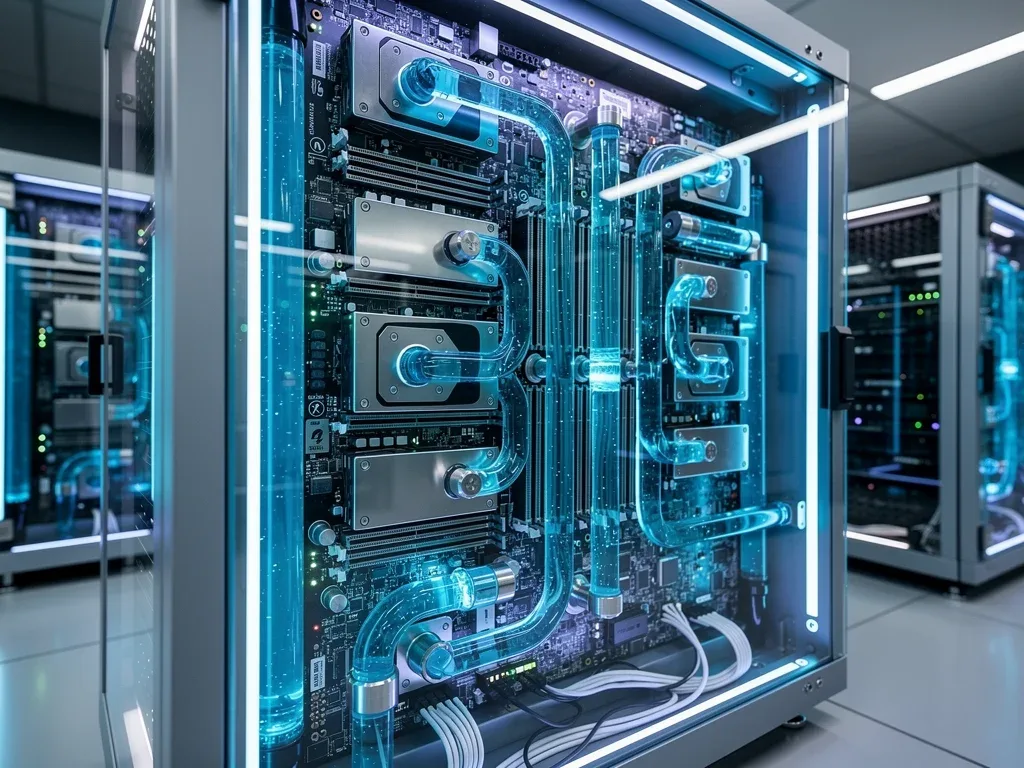
Tier-4 data centers are increasingly turning to direct-to-chip liquid cooling to drastically reduce Power Usage Effectiveness (PUE) below 1.15, driven by the escalating demands of high-density computing and the imperative for greater energy efficiency and sustainability.
In the relentless pursuit of efficiency and sustainability, Tier-4 data centers are making a significant shift: adopting direct-to-chip liquid cooling. This innovative technology is not merely an incremental improvement; it represents a fundamental change in how data centers manage heat, promising to drive Power Usage Effectiveness (PUE) values to unprecedented lows, often below 1.15. This article delves into the critical reasons behind this transition, exploring the technological advancements, economic imperatives, and environmental benefits that are reshaping the future of high-performance computing infrastructure.
The Escalating Heat Challenge in Modern Data Centers
The digital age is characterized by an insatiable demand for computing power. From artificial intelligence and machine learning to big data analytics and high-performance computing (HPC), modern workloads are pushing server hardware to its limits. This intensity translates directly into a massive increase in heat generation within data center racks. Traditional air-cooling methods, once the industry standard, are struggling to cope with these elevated thermal loads, leading to inefficiencies and operational constraints.
As processor densities continue to climb, a single rack can now consume upwards of 50 kW or even 100 kW of power, generating an equivalent amount of heat. Air-cooling systems, designed for lower densities, often require extensive infrastructure, including computer room air conditioners (CRACs) and computer room air handlers (CRAHs), raised floors, and complex airflow management strategies. These systems are inherently less efficient at transferring heat than liquid, leading to higher PUE values and increased operational costs.
Limitations of Air Cooling
- Thermal Management Inefficiency: Air has a significantly lower thermal conductivity and heat capacity compared to liquid, making it less effective at absorbing and transporting heat away from high-density components.
- Footprint and Infrastructure: Air-cooled data centers often require more physical space for cooling equipment and intricate ducting, impacting overall data center design and scalability.
- Energy Consumption: Fans, chillers, and air handlers in air-cooling systems consume substantial amounts of electricity, directly contributing to higher PUE values.
- Hot Spots: Inadequate airflow or uneven heat distribution can lead to localized hot spots within racks, potentially causing performance degradation or hardware failures.
The limitations of air cooling are becoming increasingly apparent as data centers strive for higher performance, greater energy efficiency, and reduced environmental impact. This growing chasm between cooling capacity and thermal demand is the primary catalyst driving the industry towards more advanced, liquid-based solutions.
Understanding Direct-to-Chip Liquid Cooling Technology
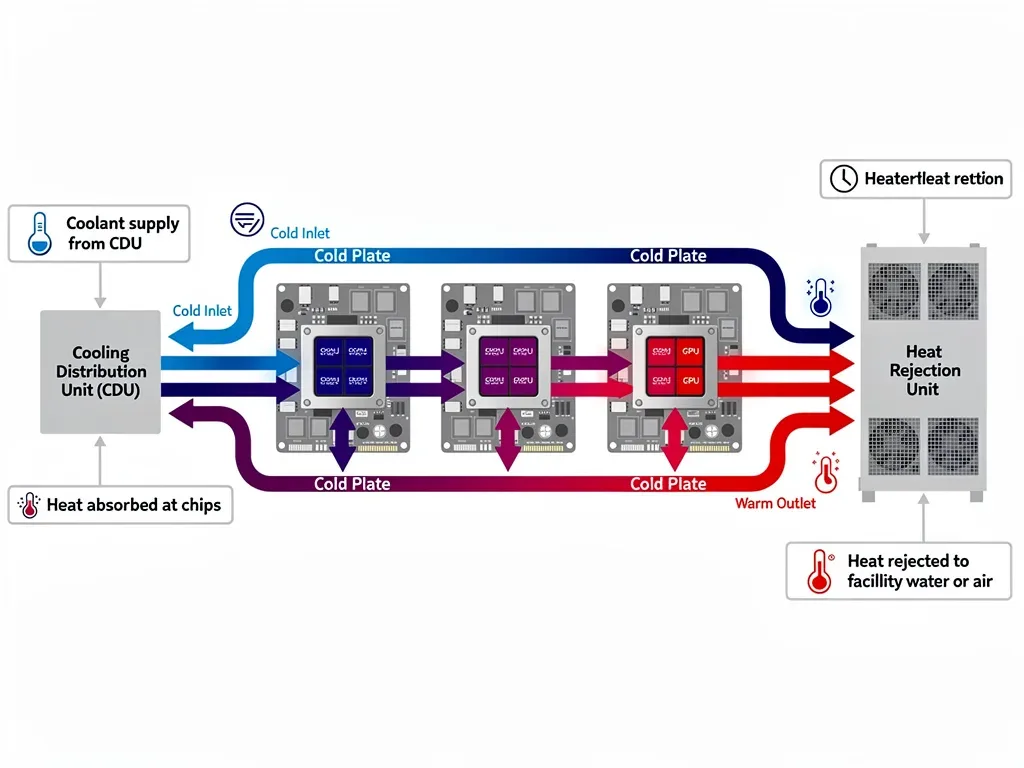
Direct-to-chip liquid cooling represents a paradigm shift in data center thermal management. Unlike immersion cooling, where entire servers are submerged in dielectric fluid, direct-to-chip systems focus on precisely cooling the hottest components: CPUs, GPUs, and memory modules. This method involves attaching cold plates directly to these heat-generating components, through which a dielectric fluid or water-glycol mixture circulates, absorbing heat directly at its source.
The heated liquid is then routed to a manifold system and subsequently to a Cooling Distribution Unit (CDU). The CDU acts as an interface between the server-side liquid cooling loop and the facility's larger cooling infrastructure, which might include dry coolers, cooling towers, or even ambient air heat exchangers. This direct approach significantly reduces the thermal resistance between the heat source and the cooling medium, leading to superior heat dissipation.
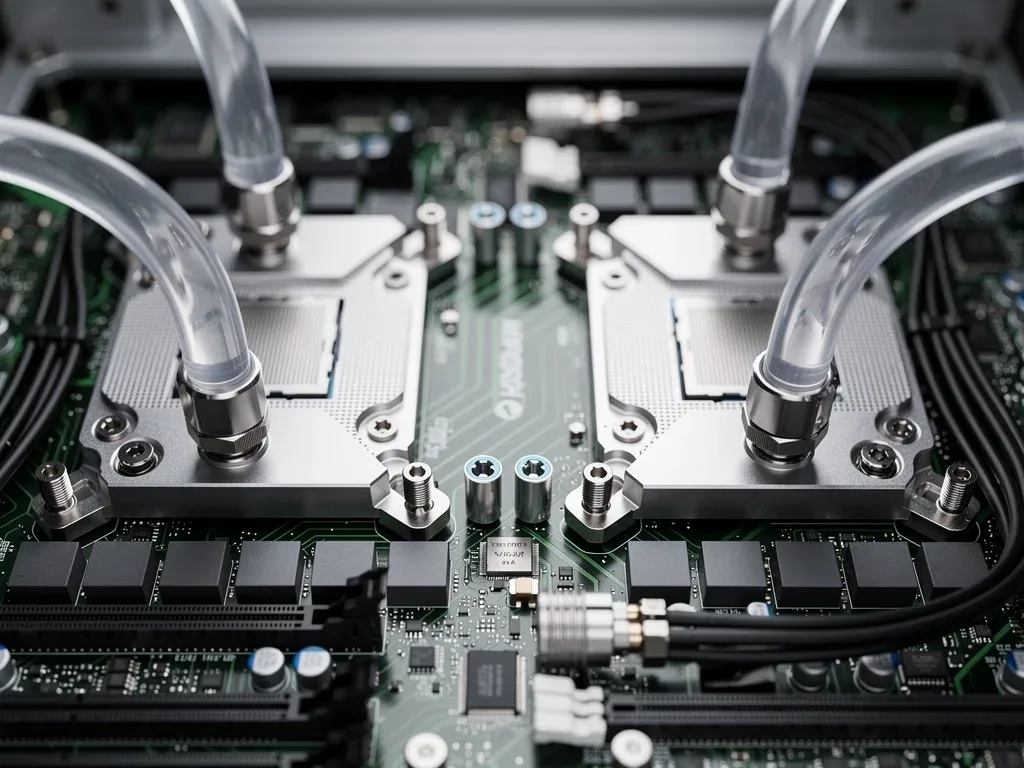
The efficiency of direct-to-chip cooling stems from the inherent properties of liquid. Water, for instance, has a thermal conductivity approximately 25 times greater than air and a heat capacity about 3,500 times greater. This allows liquid to absorb and transport heat much more effectively and with less energy expenditure than air. Furthermore, by bringing the coolant directly to the chip, the need for air movement within the rack is drastically reduced or eliminated, leading to quieter operations and fewer moving parts.
Key Components of a Direct-to-Chip System
- Cold Plates: Custom-designed blocks that sit directly on top of CPUs, GPUs, and other hot components, facilitating direct heat transfer to the circulating liquid.
- Manifolds and Hoses: Connect the cold plates to the main liquid cooling loop, ensuring efficient flow and distribution of the coolant.
- Cooling Distribution Unit (CDU): A critical interface that manages the flow, pressure, and temperature of the coolant, often acting as a heat exchanger between the primary and secondary cooling loops.
- Heat Rejection Unit: Typically a dry cooler or cooling tower that rejects the heat absorbed by the liquid to the ambient environment.
The precision and effectiveness of direct-to-chip liquid cooling make it an ideal solution for managing the extreme thermal loads characteristic of modern, high-density computing environments. Its ability to capture heat directly at the source translates into significant energy savings and improved hardware performance.
The PUE Imperative: Driving Efficiency Below 1.15
Power Usage Effectiveness (PUE) is the gold standard metric for data center energy efficiency, calculated by dividing the total power entering the data center by the power consumed by the IT equipment. A PUE of 1.0 would mean all power goes directly to IT, with no energy lost to cooling or other infrastructure. While a PUE of 1.5 was once considered good, and 1.2 a benchmark for excellence, the industry is now aggressively targeting values below 1.15, and even approaching 1.0, especially in Tier-4 facilities.
Direct-to-chip liquid cooling is a game-changer in achieving these ambitious PUE targets. By removing heat directly from the source, it dramatically reduces the energy required for cooling. Traditional air-cooled data centers often dedicate 30-50% of their total energy consumption to cooling infrastructure. With direct-to-chip systems, this proportion can be significantly lowered, as the need for large-scale air conditioning, CRAC units, and powerful fans is either minimized or eliminated entirely.
The efficiency gains are multi-faceted. Liquid cooling allows for higher return water temperatures, which means less energy is expended in the heat rejection process. Facilities can often utilize economizers or free cooling techniques more effectively, drawing on ambient air or water to cool the liquid, further reducing reliance on mechanical chillers. This direct thermal management also enables higher rack densities, meaning more computing power can be housed in a smaller footprint, optimizing space utilization and further contributing to overall efficiency.
How Direct-to-Chip Impacts PUE
- Reduced Cooling Energy: Liquid is more efficient at heat transfer, requiring less energy to move and dissipate heat compared to air.
- Higher Set Points: Liquid cooling systems can operate effectively with warmer coolant temperatures, enabling more efficient heat rejection to the outside environment.
- Elimination of Airflow Infrastructure: Less reliance on CRACs, CRAHs, and raised floors means fewer fans and associated power consumption.
- Increased IT Load Density: The ability to cool high-density racks more effectively allows for more computing power per square foot, optimizing the 'IT equipment power' component of the PUE calculation.
For Tier-4 data centers, where uptime and efficiency are paramount, achieving a PUE below 1.15 is not just an aspiration but a strategic imperative. Direct-to-chip liquid cooling provides a clear pathway to realize these demanding efficiency benchmarks, setting a new standard for sustainable and high-performance data center operations.
Economic Advantages and Operational Benefits
Beyond the impressive PUE figures, the adoption of direct-to-chip liquid cooling brings substantial economic and operational advantages for Tier-4 data centers. While the initial capital expenditure for liquid cooling infrastructure might be perceived as higher than traditional air cooling, the long-term operational savings often outweigh this upfront investment, leading to a compelling total cost of ownership (TCO) argument.
One of the most significant economic benefits is the substantial reduction in energy costs. As energy prices continue to fluctuate and generally trend upwards, the ability to slash cooling-related electricity consumption directly translates into millions of dollars in savings over the lifespan of a data center. Furthermore, the increased power density per rack means that data centers can deploy more computing power in the same footprint, or reduce the overall size of new facilities, leading to savings in real estate, construction, and ongoing maintenance.
Operationally, direct-to-chip liquid cooling enhances reliability and extends hardware lifespan. By maintaining components at more stable and often lower operating temperatures, the risk of thermal stress and heat-related failures is significantly reduced. This translates to fewer hardware replacements, less downtime, and a more predictable operational environment. The absence of noisy fans also creates a quieter working environment for technicians, improving workplace conditions.
Key Economic and Operational Advantages
- Reduced Energy Bills: Significant decrease in electricity consumption for cooling infrastructure.
- Optimized Footprint: Higher rack densities allow for more IT equipment in less physical space, saving on real estate and construction costs.
- Extended Hardware Lifespan: Lower and more consistent operating temperatures reduce component wear and tear, leading to longer hardware life and fewer failures.
- Improved Reliability: Stable thermal conditions contribute to enhanced system uptime and reduced maintenance overhead.
- Lower Carbon Footprint: Reduced energy consumption aligns with corporate sustainability goals and potentially qualifies for environmental incentives.
The economic and operational benefits of direct-to-chip liquid cooling make it an attractive investment for data center operators seeking to optimize their infrastructure for the demands of high-performance computing while simultaneously improving their bottom line and environmental stewardship.
Environmental Impact and Sustainability Goals
In an era of increasing environmental consciousness and stringent regulatory pressures, data centers are under immense scrutiny to reduce their carbon footprint. The sheer energy consumption of global data centers contributes significantly to greenhouse gas emissions. Direct-to-chip liquid cooling offers a powerful solution to address these environmental concerns, aligning perfectly with corporate sustainability goals and the broader push for green computing.
The primary environmental benefit comes from the drastic reduction in energy consumption. By achieving PUEs below 1.15, data centers can save millions of kilowatt-hours of electricity annually. This directly translates to a decrease in Scope 2 emissions (indirect emissions from purchased electricity). Furthermore, the ability to operate with warmer cooling fluids allows for greater utilization of free cooling methods, where ambient air or water is used for heat rejection, further minimizing the need for energy-intensive mechanical chillers.
Beyond energy, liquid cooling can also reduce water consumption compared to traditional evaporative cooling towers. While some liquid cooling systems still require water for heat rejection, many modern designs utilize closed-loop systems and dry coolers that significantly minimize water usage. This is particularly crucial in regions facing water scarcity. The smaller physical footprint enabled by higher rack densities also reduces the environmental impact associated with land use and construction materials.
Contribution to Green Computing
- Lower Carbon Emissions: Direct reduction in electricity consumption leads to a smaller carbon footprint.
- Reduced Water Usage: Many liquid cooling solutions minimize or eliminate the need for evaporative cooling, conserving water resources.
- Enhanced Resource Efficiency: Optimized space utilization and extended hardware life contribute to a more sustainable use of resources.
- Compliance and Reputation: Meeting and exceeding environmental regulations enhances corporate social responsibility and public image.
- Potential for Waste Heat Reuse: The higher temperature of the rejected liquid heat makes it more suitable for reuse in district heating or other industrial processes, creating a circular economy model.
For Tier-4 data centers committed to environmental stewardship, direct-to-chip liquid cooling is not just a technological upgrade; it's a strategic investment in a more sustainable and environmentally responsible future. It enables them to meet ambitious sustainability targets while continuing to deliver cutting-edge computing services.
Challenges and Future Outlook
While the benefits of direct-to-chip liquid cooling are compelling, its widespread adoption is not without challenges. The initial capital investment can be higher than traditional air-cooling systems, requiring a careful cost-benefit analysis. There are also considerations regarding the integration with existing data center infrastructure, the training of personnel for maintenance, and the perception of complexity or potential for leaks, although modern systems are designed with advanced leak detection and prevention mechanisms.
Another challenge lies in the standardization and interoperability of liquid cooling components. As the technology evolves, ensuring compatibility between different vendors' cold plates, manifolds, and CDUs is crucial for seamless deployment and future scalability. The industry is actively working towards establishing common standards to streamline adoption and reduce integration complexities.
Despite these hurdles, the future outlook for direct-to-chip liquid cooling in Tier-4 data centers is exceptionally bright. The relentless pace of innovation in AI, HPC, and other compute-intensive applications means that thermal densities will only continue to increase. Air cooling will become increasingly impractical and inefficient, solidifying liquid cooling's position as the inevitable solution.
Overcoming Adoption Barriers
- Cost-Benefit Analysis: Emphasizing long-term operational savings and TCO over initial capital outlay.
- Standardization Efforts: Industry collaborations to develop common interfaces and protocols for liquid cooling components.
- Training and Expertise: Investing in workforce development to equip technicians with the necessary skills for liquid-cooled environments.
- Reliability and Safety: Continuous innovation in leak detection, fluid management, and system redundancy to build confidence.
Looking ahead, we can expect to see further advancements in direct-to-chip technologies, including more compact designs, improved fluid chemistries, and greater integration with renewable energy sources. The synergy between high-density computing and ultra-efficient cooling will define the next generation of data center infrastructure, with direct-to-chip liquid cooling at its core.
| Key Aspect | Description |
|---|---|
| PUE Reduction | Achieving Power Usage Effectiveness (PUE) values consistently below 1.15, significantly enhancing energy efficiency. |
| Heat Management | Directly cooling high-density components like CPUs and GPUs, effectively managing escalating thermal loads. |
| Economic Benefits | Lower operational costs through reduced energy consumption, optimized footprint, and extended hardware lifespan. |
| Sustainability | Significant reduction in carbon footprint and water usage, aligning with global environmental goals. |
Frequently Asked Questions About Liquid Cooling
What is direct-to-chip liquid cooling?▼Direct-to-chip liquid cooling involves attaching cold plates directly to heat-generating components like CPUs and GPUs. A liquid coolant circulates through these cold plates, absorbing heat at its source more efficiently than air, and then transfers this heat out of the system.
How does liquid cooling help reduce PUE?▼Liquid cooling significantly reduces PUE by efficiently removing heat directly from IT components. This minimizes the need for energy-intensive air conditioning and fans, allowing data centers to dedicate more power to computing and less to cooling infrastructure, thus lowering the PUE ratio.
What are the main benefits for Tier-4 data centers?▼For Tier-4 data centers, direct-to-chip liquid cooling offers enhanced energy efficiency (PUE below 1.15), increased rack density, extended hardware lifespan due to stable temperatures, and significant operational cost savings. It also supports higher performance for demanding workloads like AI.
Is liquid cooling safe for electronics?▼Yes, modern direct-to-chip liquid cooling systems are designed with safety in mind. They often use dielectric coolants that do not conduct electricity, and incorporate advanced leak detection and prevention mechanisms to ensure the safety and reliability of IT equipment.
What is the future outlook for this technology?▼The future of direct-to-chip liquid cooling is very promising. As computing demands and thermal densities continue to rise, its adoption is expected to accelerate. Further innovations in system design, fluid technologies, and standardization will make it an indispensable solution for future data centers.
Conclusion
The transition of Tier-4 data centers to direct-to-chip liquid cooling is not just an emerging trend but a critical evolution driven by the relentless demands of modern computing. As high-performance workloads generate unprecedented levels of heat, traditional air-cooling methods are proving inadequate. Direct-to-chip liquid cooling offers a highly efficient, sustainable, and economically advantageous solution, enabling data centers to achieve PUE values well below 1.15. This shift not only optimizes operational costs and extends hardware lifespan but also significantly reduces environmental impact, paving the way for a new era of ultra-efficient and environmentally responsible data center operations that are prepared for the future of technology.
