Dynamic Smart Tags: Redefining In-Store Behavior & Checkout Surge
Advertisements
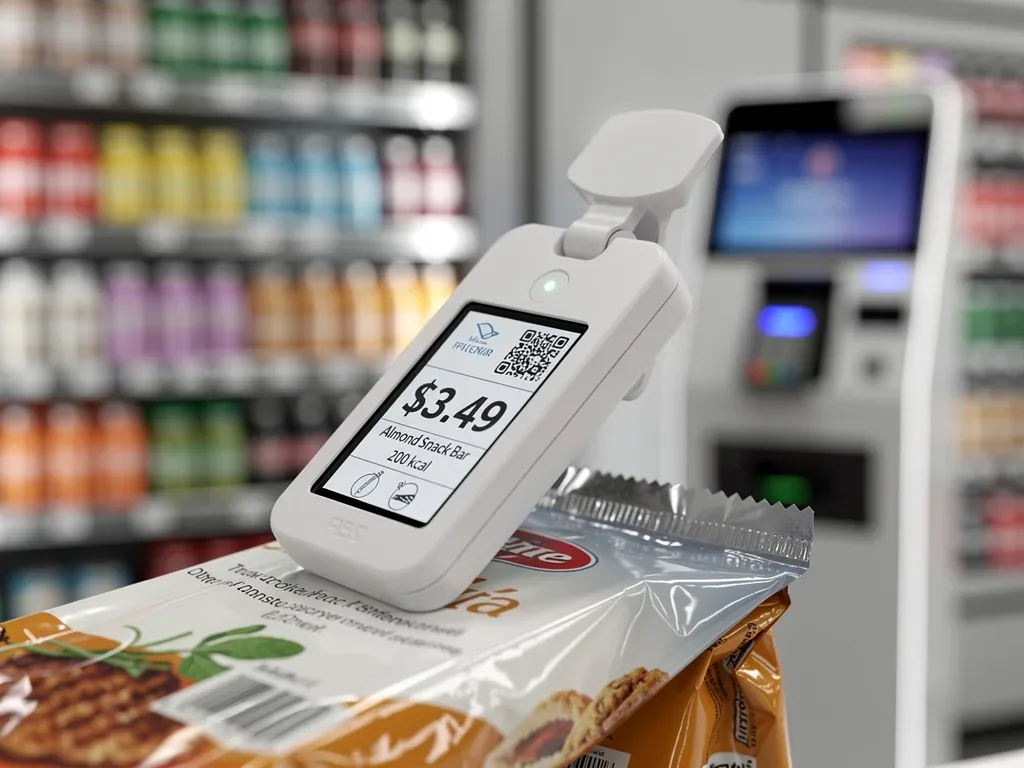
Dynamic smart tags are fundamentally reshaping retail by redefining in-store behavior and stimulating an impressive 15% checkout surge within automated micro-markets, significantly boosting efficiency and customer engagement.
Are dynamic smart tags truly redefining in-store behavior and driving a 15% checkout surge in automated micro-markets? The retail landscape is in constant flux, with technological advancements continually pushing the boundaries of what's possible. From traditional brick-and-mortar stores to the burgeoning automated micro-market sector, innovation is key to staying competitive and meeting evolving consumer expectations. This article delves into the transformative power of dynamic smart tags, exploring their impact on shopper engagement, operational efficiency, and ultimately, the bottom line.
the rise of automated micro-markets and the need for innovation
Automated micro-markets have emerged as a significant force in modern retail, offering convenience and efficiency in various settings, from corporate offices to residential complexes and public spaces. These compact, self-service retail environments provide an alternative to traditional vending machines and full-sized grocery stores, catering to on-the-go consumers. However, their success hinges on seamless operations and an engaging customer experience. The rapid expansion of these markets has highlighted a critical need for advanced technologies that can optimize inventory, personalize offerings, and streamline the checkout process.
Initially, micro-markets relied on static pricing and basic inventory management, which often led to inefficiencies and missed opportunities. The absence of real-time data meant that pricing adjustments were slow, promotions were generic, and stockouts were frequent. This static approach limited their potential, making it challenging to adapt to fluctuating demand or capitalize on immediate consumer trends. The imperative to evolve became clear: micro-markets needed a dynamic solution to unlock their full potential and truly redefine convenience retail.
evolution from traditional vending to smart retail
The journey from simple vending machines to sophisticated micro-markets represents a significant leap in retail technology. Early vending machines offered limited choices and no flexibility. Micro-markets, in contrast, provide a broader selection of products, often including fresh food and beverages, and a more open, inviting shopping environment. However, to truly differentiate themselves, they require more than just expanded product lines. They need intelligence built into their very fabric.
- Enhanced Product Variety: Offering a wider range of items, including fresh and healthy options.
- Open Display Concepts: Allowing customers to physically examine products before purchase.
- Self-Checkout Systems: Providing speed and autonomy, reducing the need for staff.
- 24/7 Availability: Catering to diverse schedules and immediate needs.
This evolution underscores the growing consumer demand for speed, convenience, and a personalized experience. The next frontier involves integrating smart technologies that can transform these self-service hubs into highly responsive and adaptive retail ecosystems, moving beyond mere transaction points to become interactive shopping destinations.
what are dynamic smart tags? a technological overview
Dynamic smart tags, often referred to as electronic shelf labels (ESLs) or digital price tags, are small, wireless devices that display product information, including pricing, promotions, and inventory levels, in real-time. Unlike their paper counterparts, these tags can be updated instantly from a central system, eliminating the need for manual price changes and reducing human error. They typically utilize technologies like E Ink displays for low power consumption and high visibility, even in varying light conditions. The core of their intelligence lies in their connectivity, often employing radio frequency (RF), infrared, or Wi-Fi to communicate with a store's central management system.
These tags are not just about displaying prices; they are sophisticated communication devices that can interact with various aspects of the retail environment. They can be integrated with inventory management systems to reflect stock levels, with CRM platforms to deliver personalized offers, and with analytics tools to track customer engagement. This interconnectedness allows for unprecedented agility in pricing strategies and promotional campaigns, directly impacting consumer behavior at the point of decision. The ability to react instantly to market changes or inventory fluctuations provides a significant competitive edge.
how dynamic smart tags work
The operational mechanism of dynamic smart tags involves several key components working in unison. A central server, often cloud-based, manages all product data, pricing rules, and promotional schedules. This server communicates with a series of base stations or access points strategically placed throughout the micro-market. These base stations then transmit data wirelessly to individual smart tags attached to products on the shelves. The tags receive the updated information and display it almost instantaneously.
- Centralized Management: All pricing and product data is controlled from a single platform.
- Wireless Communication: Tags receive updates via secure, low-power wireless protocols.
- Real-time Updates: Price changes, promotions, and product information are reflected instantly.
- Energy Efficiency: E Ink displays consume minimal power, ensuring long battery life.\
This seamless data flow ensures that customers always see the most current and accurate information, building trust and reducing checkout discrepancies. Furthermore, the system can be programmed to automate complex pricing strategies, such as surge pricing during peak hours or dynamic discounts for expiring products, optimizing revenue and minimizing waste. The technological backbone of these tags is robust, designed for reliability and scalability in dynamic retail environments.
redefining in-store behavior: immediate impact on shoppers
The introduction of dynamic smart tags fundamentally alters how consumers interact with products in micro-markets. Gone are the days of static prices that offer no immediate incentive or real-time information. With smart tags, shoppers are presented with dynamic pricing, personalized offers, and up-to-the-minute product details, creating a more engaging and responsive shopping experience. This immediacy influences purchasing decisions directly at the shelf edge, where impulse buys and informed choices converge.
Consider a scenario where a consumer is browsing for a snack. A dynamic smart tag might display a limited-time offer, a bundle deal, or even a personalized discount based on their loyalty program membership. Such immediate visual cues can significantly sway a shopper's decision, encouraging them to pick up an item they might not have otherwise considered. This level of responsiveness cultivates a sense of urgency and value, transforming a passive browsing experience into an active decision-making process.
personalization and engagement at the shelf
One of the most powerful aspects of dynamic smart tags is their potential for hyper-personalization. By integrating with customer loyalty programs and purchase history, these tags can display tailored promotions unique to individual shoppers. Imagine a tag flashing a discount on your favorite coffee blend just as you approach the display, or suggesting a complementary item based on your past purchases. This level of targeted engagement fosters a deeper connection between the consumer and the micro-market, making the shopping experience feel more curated and valuable.
- Targeted Promotions: Delivering discounts and offers based on individual preferences.
- Complementary Product Suggestions: Encouraging cross-selling and up-selling.
- Real-time Inventory Status: Informing customers about product availability.
- Nutritional Information: Providing instant access to dietary details for health-conscious buyers.
This enriched interaction not only enhances customer satisfaction but also drives increased basket sizes and purchase frequency. Shoppers feel understood and valued, leading to greater loyalty and repeat business. The data collected from these interactions also provides invaluable insights for retailers to further refine their offerings and marketing strategies.
the 15% checkout surge: how smart tags boost sales
The most compelling evidence of dynamic smart tags' impact is the reported 15% checkout surge in automated micro-markets. This significant increase is not a coincidence but a direct result of the strategic advantages these tags provide. By optimizing pricing, enabling rapid promotional changes, and improving product visibility, smart tags create an environment conducive to higher sales volumes and more efficient transactions. The cumulative effect of these improvements translates into tangible revenue growth for micro-market operators.
A primary driver of this surge is the ability to implement dynamic pricing strategies. Micro-markets can adjust prices based on time of day, inventory levels, expiration dates, or even local events. For instance, a coffee might be discounted during off-peak hours to stimulate sales, or a fresh sandwich might receive a markdown as its expiration approaches, reducing waste and converting potential losses into revenue. This flexibility ensures that products are always priced optimally to meet demand and maximize profitability, directly encouraging more purchases.
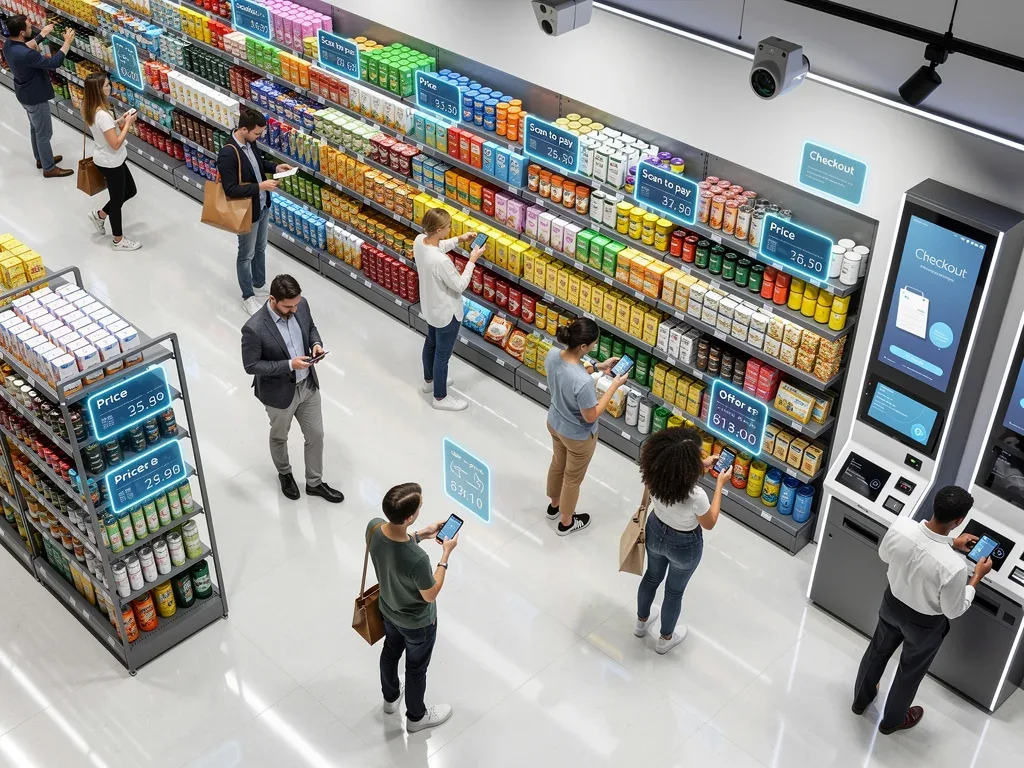
optimizing pricing and promotions for maximum impact
The power to change prices and promotions instantly is a game-changer for micro-markets. This capability allows operators to respond to competitive pressures, clear excess inventory, or capitalize on sudden demand spikes with unparalleled speed. Traditional methods of updating prices are labor-intensive and slow, often leading to missed opportunities. Dynamic smart tags eliminate these bottlenecks, ensuring that every pricing decision can be executed efficiently and effectively.
- Demand-Based Pricing: Adjusting prices according to real-time demand fluctuations.
- Flash Sales and Bundles: Implementing short-term promotions to create urgency.
- Reduced Waste: Discounting perishable items before they expire.
- Competitive Pricing: Matching or beating competitor prices instantly.
Furthermore, the visual appeal of dynamic displays can draw attention to promotions more effectively than static labels. Flashing indicators or special graphics on the tags can highlight deals, making them more noticeable and enticing to shoppers. This visual engagement, combined with the strategic flexibility of dynamic pricing, directly contributes to the observed checkout surge, proving that smart technology can indeed translate into significant sales uplift.
operational efficiencies and cost savings
Beyond the impressive sales surge, dynamic smart tags deliver substantial operational efficiencies and cost savings for micro-market operators. The most immediate benefit is the elimination of manual price changes. Labor associated with printing, cutting, and placing paper labels is a significant operational cost. With smart tags, these tasks are automated, freeing up staff to focus on higher-value activities such as inventory replenishment, customer service, or market merchandising.
The accuracy of pricing is also dramatically improved. Manual price changes are prone to human error, leading to discrepancies between the shelf price and the checkout price. Such inconsistencies can erode customer trust and result in costly disputes. Dynamic smart tags ensure that the price displayed on the shelf is always the correct price at checkout, fostering transparency and reducing operational headaches. This accuracy not only saves money but also enhances the overall customer experience, reducing friction at the point of sale.
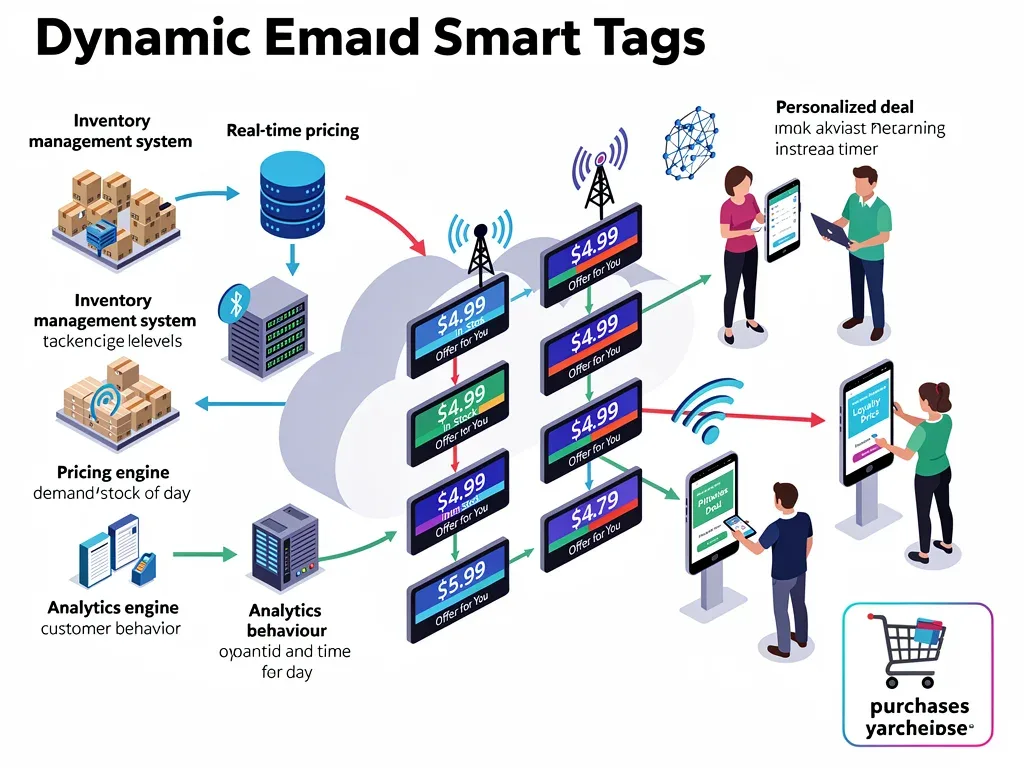
streamlining inventory and reducing waste
Dynamic smart tags can be seamlessly integrated with inventory management systems, providing real-time visibility into stock levels. This integration allows micro-market operators to track product movement more accurately, identify fast-moving items, and proactively manage slow-moving inventory. By having precise data on hand, businesses can optimize their ordering processes, reducing instances of overstocking or understocking.
- Automated Inventory Monitoring: Real-time tracking of product quantities.
- Expiration Date Management: Highlighting items nearing their expiration for dynamic pricing.
- Reduced Shrinkage: Improved accuracy minimizes losses from pricing errors.
- Efficient Replenishment: Data-driven insights for optimal reordering.
This level of inventory control directly translates to reduced waste, particularly for perishable goods. Products nearing their expiration can be automatically flagged and discounted via the smart tags, ensuring they are sold before they become unsellable. This proactive approach not only saves money but also contributes to more sustainable retail practices. The combined benefits of labor savings, pricing accuracy, and optimized inventory management create a compelling case for the widespread adoption of dynamic smart tags.
the future of in-store retail with smart tag integration
The integration of dynamic smart tags is just the beginning of a larger transformation in in-store retail, particularly within automated micro-markets. As technology continues to advance, we can expect these tags to become even more sophisticated, offering richer interactive experiences and deeper integration with other smart retail solutions. The future envisions a retail environment where every interaction is personalized, efficient, and data-driven, creating a truly seamless shopping journey for consumers.
Imagine smart tags that not only display prices but also provide augmented reality (AR) experiences, showing customers how a product is sourced or offering virtual try-ons. Or tags that communicate directly with a shopper's smartphone, pushing personalized notifications and special offers as they browse. The potential for innovation is vast, moving beyond mere price display to become a central hub for customer engagement and information dissemination. These advancements will further blur the lines between the physical and digital shopping worlds, creating a unified retail experience.
evolving capabilities and predictive analytics
As dynamic smart tags become more ubiquitous, their data collection capabilities will grow exponentially. This wealth of data, when analyzed using advanced predictive analytics, will allow micro-market operators to anticipate consumer needs, optimize product placement, and even forecast demand with greater accuracy. Retailers will be able to make proactive decisions based on real-time insights, rather than relying on historical trends or gut feelings.
- Predictive Demand Forecasting: Anticipating future sales trends for better inventory planning.
- Optimized Merchandising: Data-driven insights for ideal product placement and display.
- Enhanced Customer Journey Mapping: Understanding shopper paths and interaction points.
- AI-Powered Personalization: Delivering highly relevant content and offers.
The evolution of smart tags will also likely include enhanced security features, improved battery life, and more robust communication protocols, ensuring their reliability and longevity in demanding retail environments. The synergy between dynamic smart tags and other emerging technologies, such as AI-powered cameras and sensor networks, will create truly intelligent micro-markets that can adapt and evolve in real-time, offering an unparalleled level of service and efficiency.
| Key Aspect | Impact on Micro-Markets |
|---|---|
| Dynamic Pricing | Enables real-time price adjustments based on demand, inventory, and promotions, boosting sales. |
| Personalized Offers | Delivers tailored discounts and product suggestions, enhancing customer engagement and loyalty. |
| Operational Efficiency | Automates price changes, reduces labor costs, improves pricing accuracy, and optimizes inventory management. |
| Sales Uplift | Contributes to a reported 15% checkout surge through optimized strategies and enhanced shopper interaction. |
frequently asked questions about dynamic smart tags
What exactly are dynamic smart tags in retail?▼Dynamic smart tags are electronic display devices, often using E Ink, that wirelessly show real-time product information, including prices and promotions. They update instantly from a central system, replacing traditional paper labels and enhancing retail flexibility.
How do dynamic smart tags lead to a 15% checkout surge?▼The surge comes from dynamic pricing, instant promotions, and personalized offers that directly influence purchasing decisions. This responsiveness encourages more impulse buys and strategic purchases, optimizing sales and customer engagement effectively.
What operational benefits do smart tags offer micro-markets?▼They automate price changes, reducing labor costs and human error. Smart tags also improve pricing accuracy, streamline inventory management by providing real-time data, and minimize waste, especially for perishable goods, boosting overall efficiency.
Can dynamic smart tags be integrated with existing retail systems?▼Yes, dynamic smart tags are designed for seamless integration with various retail systems, including inventory management, CRM, and POS platforms. This connectivity allows for comprehensive data synchronization and advanced strategic deployment across the micro-market ecosystem.
What does the future hold for smart tag technology in retail?▼The future involves more advanced interactive features like AR integration, direct smartphone communication, and deeper predictive analytics. These innovations will create highly personalized, efficient, and data-driven shopping experiences, further transforming in-store retail.
conclusion
The evidence is clear: dynamic smart tags are not merely a fleeting trend but a foundational technology redefining in-store behavior and driving significant sales growth in automated micro-markets. The reported 15% checkout surge underscores their capacity to transform passive shopping into an active, engaging experience. By enabling real-time pricing, personalized promotions, and efficient inventory management, these tags empower retailers to operate with unprecedented agility and responsiveness. As consumer expectations for convenience and tailored experiences continue to rise, the integration of smart tags will become increasingly vital for micro-markets and broader retail environments alike, paving the way for a more intelligent, efficient, and customer-centric future.
