Fractional Executives: The Rise of Multi-Company Contracts
Advertisements

Fractional executives are redefining senior leadership, with 25% of high-level professionals now structuring multi-company contracts to provide specialized expertise, offering businesses agile and cost-effective access to top talent.
The corporate world is experiencing a profound shift, with a growing number of senior leaders embracing a new paradigm: the fractional executive model. This innovative approach sees top-tier professionals offering their expertise to multiple organizations simultaneously, fundamentally altering traditional employment structures. The emergence of fractional executives contracts signals a move towards greater agility and specialized talent utilization in today's fast-paced business environment. This article delves into how this trend is gaining momentum, with a significant portion of senior leaders now opting for multi-company arrangements, and what it means for the future of work and strategic leadership.
Understanding the Fractional Executive Phenomenon
The concept of a fractional executive is relatively new but rapidly gaining traction. These are seasoned professionals who provide high-level strategic guidance and operational leadership to multiple companies on a part-time or project basis. Unlike traditional consultants, fractional executives integrate directly into a company's leadership team, often holding titles such as Fractional CEO, CFO, CMO, or CTO, and are accountable for delivering specific outcomes.
This model offers businesses, particularly small to medium-sized enterprises (SMEs) and startups, access to world-class talent without the overhead and long-term commitment of a full-time executive salary. For the executives themselves, it provides unparalleled flexibility, diverse challenges, and the opportunity to impact multiple organizations simultaneously. It's a win-win scenario that is reshaping how leadership is acquired and deployed.
Defining the Role and Its Impact
A fractional executive is not merely an advisor; they are an active participant in the strategic direction and execution of a company. They bring years of experience and a deep understanding of their functional area, applying it across different organizational contexts. This active involvement distinguishes them from traditional consultants who typically provide recommendations without direct implementation.
- Strategic Leadership: Fractional executives offer high-level strategic planning and execution.
- Operational Integration: They embed within leadership teams to drive specific initiatives.
- Cost-Effectiveness: Companies gain access to top talent without full-time executive costs.
- Flexibility: Executives manage multiple engagements, diversifying their professional portfolio.
The impact of this model is far-reaching. It democratizes access to elite leadership, allowing smaller companies to compete more effectively by leveraging expertise previously only available to large corporations. For the executives, it offers a dynamic career path that values experience and autonomy over traditional corporate ladder climbing. The rise of these multi-company contracts is a clear indicator of a shift towards a more flexible and outcome-driven work culture.
The Driving Forces Behind Multi-Company Contracts
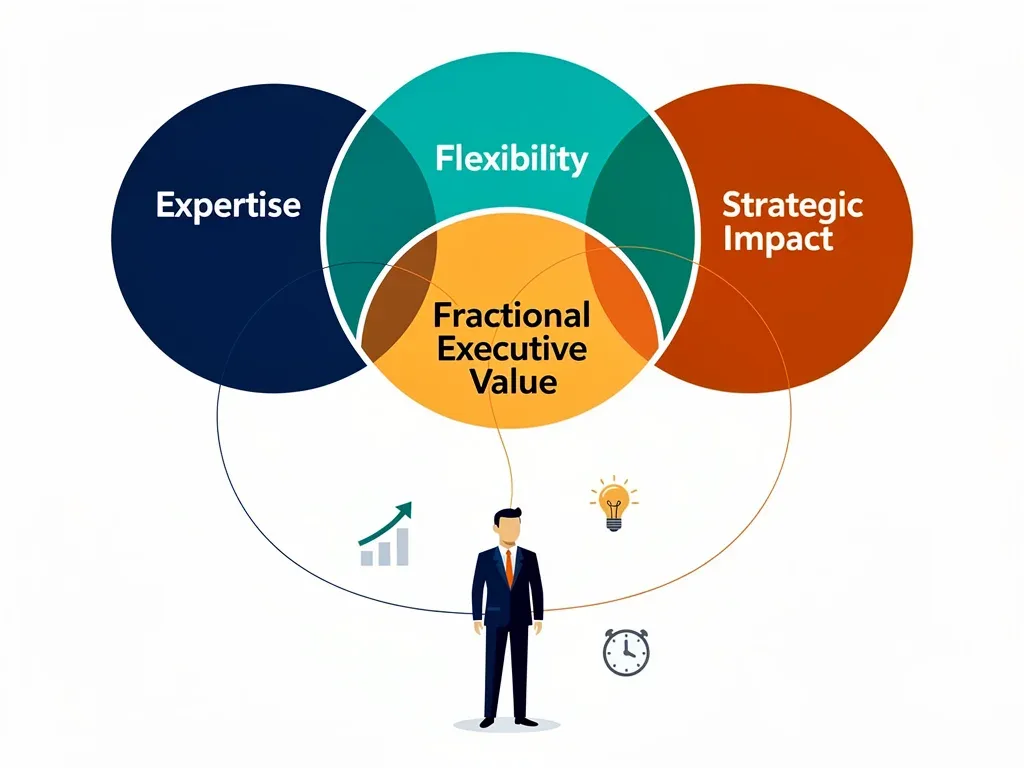
Several factors are converging to fuel the rapid adoption of multi-company contracts among senior leaders. Economic pressures, the desire for work-life balance, and the evolving nature of skill sets are all playing significant roles. Companies are increasingly seeking specialized expertise for specific projects or growth phases, rather than requiring a permanent, all-encompassing executive role.
From the executive's perspective, the traditional corporate path can often feel restrictive. Fractional roles offer the freedom to choose engagements, work with diverse teams, and avoid corporate politics. This autonomy, coupled with the ability to command premium rates for specialized skills, makes fractional executive contracts an attractive proposition for many.
Economic Efficiency and Specialized Needs
Businesses, especially those in growth stages or undergoing significant transformation, often require high-level expertise for a finite period or for specific, complex challenges. Hiring a full-time executive for such needs can be prohibitively expensive and unnecessary once the immediate objective is met. Fractional executives provide a perfect solution, delivering targeted expertise precisely when and where it's needed.
This economic efficiency extends beyond salary, encompassing benefits, office space, and other overheads associated with permanent employees. Companies can allocate resources more strategically, investing in specific outcomes rather than fixed costs. This is particularly vital for startups looking to scale rapidly without overextending their budgets.
- Budget Optimization: Reduce fixed costs associated with full-time executive salaries and benefits.
- Project-Specific Expertise: Access specialized skills for critical, time-bound initiatives.
- Scalability: Easily scale leadership capacity up or down based on business needs.
- Risk Mitigation: Lower commitment reduces financial and organizational risk.
The demand for specialized skills is also a significant driver. As industries evolve at an unprecedented pace, the need for expertise in areas like AI, cybersecurity, and digital transformation becomes paramount. Fractional executives often possess cutting-edge knowledge and experience in these niche areas, making them invaluable assets to companies navigating complex landscapes. The strategic deployment of these experts through fractional executives contracts allows businesses to remain competitive and innovative.
The Executive Perspective: Why Leaders Are Choosing Fractional Roles
For senior leaders, the decision to transition from traditional full-time employment to a fractional model is often driven by a combination of factors, including a desire for greater autonomy, intellectual challenge, and an improved work-life balance. After years of climbing the corporate ladder, many executives seek a career structure that offers more control over their schedules and the types of projects they engage with.
The opportunity to apply their vast experience across multiple industries and business models is also a significant draw. This diversified portfolio not only keeps their skills sharp but also expands their professional network and provides a continuous learning environment. The appeal of being a strategic partner to several organizations rather than solely focused on one is compelling.
Autonomy and Impact
One of the primary attractions for executives is the increased autonomy that fractional roles offer. They can curate their client base, choosing companies whose missions align with their values and where they believe they can make the most significant impact. This level of control over their professional life is a stark contrast to the often-rigid structures of traditional corporate employment.
Furthermore, fractional executives often find that they can achieve a greater impact in their roles. By focusing on critical strategic initiatives for each client, they can drive tangible results and see the direct influence of their expertise. This sense of direct contribution and varied problem-solving is highly motivating for experienced professionals.
- Flexible Schedule: Design a work week that aligns with personal priorities.
- Diverse Engagements: Work across various industries and business models.
- Increased Influence: Focus on high-impact strategic projects for clients.
- Professional Growth: Continuously learn and adapt to new challenges.
The ability to work on multiple projects simultaneously also means that executives are less susceptible to the political dynamics of a single organization. Their value is measured by the results they deliver, fostering a more meritocratic environment. This shift empowers leaders to leverage their skills in ways that maximize their professional satisfaction and market value, making fractional executives contracts a preferred choice for many.
Challenges and Considerations in the Fractional Model
While the fractional executive model offers numerous benefits, it also comes with its own set of challenges and considerations for both companies and executives. Navigating multiple client relationships, managing time effectively, and ensuring seamless integration into various organizational cultures requires a specific skill set and a high degree of adaptability. It is not a model suited for everyone, and careful planning is essential for success.
For companies, ensuring alignment with a fractional executive's availability and managing expectations regarding their scope of work can be critical. Clear communication and well-defined contracts are paramount to avoid misunderstandings and maximize the value derived from these engagements.
Managing Multiple Engagements and Integration
One of the significant challenges for fractional executives is effectively managing their time and commitments across several clients. This requires exceptional organizational skills, clear boundaries, and the ability to prioritize tasks efficiently. Over-commitment can lead to burnout and diminished service quality for clients.
For companies, the integration of a fractional executive into the existing team can sometimes be a hurdle. Ensuring that the fractional leader feels like a true part of the team, despite their part-time status, is crucial for fostering collaboration and achieving desired outcomes. Transparency about their role and responsibilities helps alleviate potential friction.
- Time Management: Juggling multiple client needs requires strong organizational skills.
- Cultural Integration: Adapting to different company cultures can be demanding.
- Communication: Maintaining clear and consistent communication with all clients.
- Boundary Setting: Establishing clear expectations on availability and scope of work.
Another consideration is the potential for conflicts of interest when an executive serves multiple companies, especially those in similar industries. Robust contractual agreements and ethical guidelines are necessary to prevent such issues. Both parties must engage in due diligence to ensure that the fractional executive model is a mutually beneficial arrangement, carefully considering all aspects of fractional executives contracts.
The Future Landscape: Growth and Specialization
The trend of fractional executives is not a fleeting one; it represents a fundamental shift in how businesses access and deploy leadership talent. As the global economy becomes more dynamic and specialized, the demand for agile, on-demand expertise will only continue to grow. This model is poised to become a mainstream component of talent acquisition strategies for companies of all sizes.
We can expect to see further specialization within the fractional executive market, with professionals focusing on even narrower niches of expertise. This will allow companies to find the exact skill set they need, tailored to their specific challenges, without the inefficiencies of a generalist full-time hire.
Expanding Industries and Role Diversity
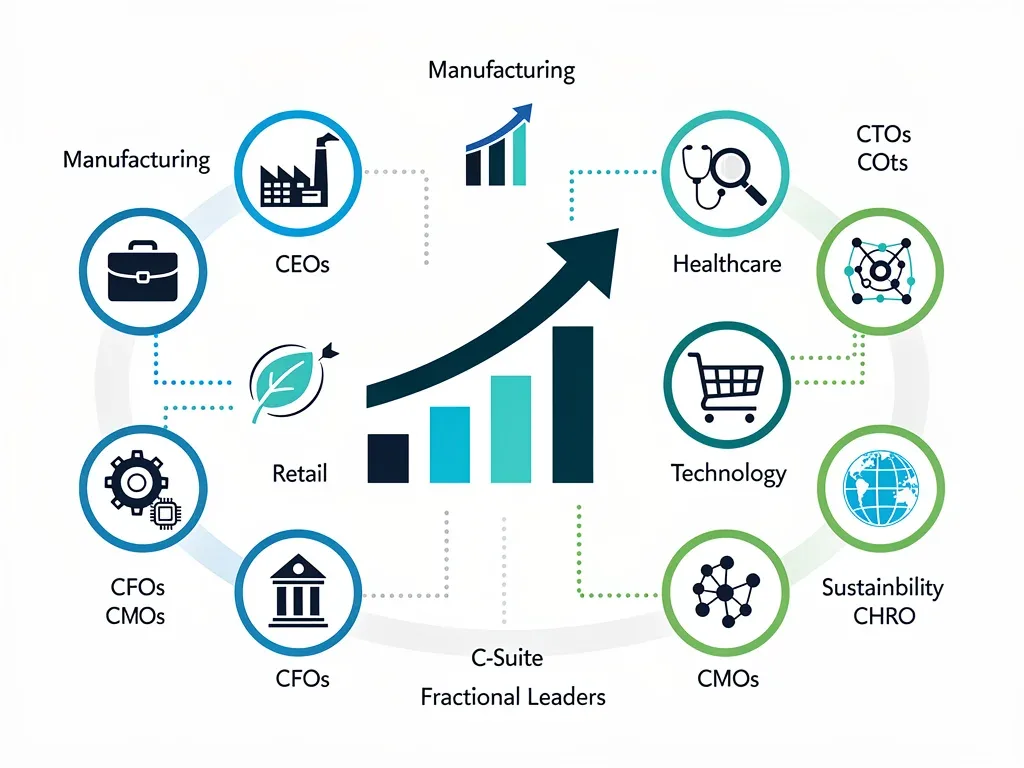
Initially, fractional roles were more prevalent in areas like finance (CFO) and marketing (CMO). However, the model is now expanding rapidly across virtually all executive functions and industries. From technology and healthcare to non-profits and manufacturing, organizations are recognizing the value of flexible leadership.
This diversification means that executives from a wider range of backgrounds can find opportunities in the fractional market. The roles themselves are also becoming more varied, including interim leadership, project-based leadership, and ongoing strategic advisory positions. This expansion signifies the increasing acceptance and integration of fractional executives into the core operational fabric of businesses.
- Sector Growth: Expansion into new industries like biotech, AI, and green energy.
- Role Evolution: Development of new fractional roles beyond traditional C-suite positions.
- Technological Enablement: Platforms and tools supporting fractional executive management.
- Talent Pool Expansion: More senior leaders entering the fractional market.
The ecosystem supporting fractional executives is also evolving, with specialized platforms and agencies emerging to connect talent with companies. These intermediaries streamline the matching process, ensuring that businesses find the right expertise and executives find suitable engagements. This infrastructure will further accelerate the growth and institutionalization of fractional executives contracts as a legitimate and powerful career path.
Strategic Advantages for Businesses Embracing Fractional Talent
For businesses, embracing fractional executive talent offers a multitude of strategic advantages that can significantly impact their growth trajectory and competitive positioning. Beyond cost savings, the ability to rapidly onboard specialized expertise and inject fresh perspectives can be a game-changer, especially in rapidly evolving markets. This model fosters a more adaptable and resilient organizational structure, capable of responding quickly to market shifts.
The strategic deployment of fractional executives allows companies to address critical leadership gaps without the lengthy recruitment processes and significant financial commitments associated with full-time hires. This agility is invaluable in today's unpredictable business landscape.
Enhanced Agility and Innovation
One of the most compelling advantages is the enhanced organizational agility that fractional executives bring. They can be brought in quickly to tackle specific challenges, launch new initiatives, or guide companies through periods of change. Their external perspective often leads to innovative solutions that internal teams might overlook.
By leveraging a diverse pool of fractional talent, companies can tap into a wider range of experiences and best practices from various industries. This cross-pollination of ideas fuels innovation and helps businesses stay ahead of the curve. The ability to pivot quickly with expert guidance is a powerful strategic asset for any organization.
- Rapid Deployment: Quickly fill critical leadership gaps or project needs.
- Fresh Perspectives: Benefit from external viewpoints and diverse industry experience.
- Innovation Catalyst: Drive new ideas and strategic initiatives with specialized expertise.
- Market Responsiveness: Adapt swiftly to changing market conditions and opportunities.
Furthermore, fractional executives can act as mentors to existing internal teams, transferring knowledge and upskilling staff. This internal capability building ensures that the impact of their engagement extends beyond their direct involvement, creating a lasting legacy of improved performance and strategic acumen. The strategic benefits of well-executed fractional executives contracts are undeniable.
Navigating the Legal and Contractual Landscape
The unique nature of multi-company contracts for fractional executives necessitates careful attention to legal and contractual frameworks. Unlike traditional employment agreements, these arrangements require precise definitions of scope, intellectual property rights, confidentiality, and conflict of interest clauses. Both parties must ensure that their agreements are robust and protect their respective interests.
Understanding the distinction between an independent contractor and an employee is crucial for tax and liability purposes. Misclassification can lead to significant legal and financial penalties, making professional legal counsel an indispensable part of establishing fractional executive relationships.
Key Contractual Elements and Best Practices
A well-drafted contract for a fractional executive should clearly outline the services to be provided, the expected outcomes, the duration of the engagement, and the compensation structure. It should also address issues such as intellectual property ownership, non-disclosure agreements (NDAs), and provisions for termination.
Best practices suggest a clear statement of work (SOW) for each engagement, detailing specific deliverables and timelines. This minimizes ambiguity and ensures that both the company and the executive are aligned on objectives. Regular reviews of the SOW can also help adjust to evolving business needs.
- Clear Scope of Work: Define specific deliverables and responsibilities.
- IP Ownership: Establish who owns intellectual property created during the engagement.
- Confidentiality: Implement robust NDAs to protect sensitive business information.
- Conflict of Interest: Address potential conflicts when serving multiple clients.
Legal compliance, particularly regarding worker classification, is paramount. Companies must ensure that fractional executives are correctly classified as independent contractors to avoid issues with employment laws, benefits, and payroll taxes. Consulting with legal experts specializing in contract law and employment classification for fractional executives contracts is highly recommended to mitigate risks and ensure a smooth, compliant working relationship.
| Key Aspect | Description |
|---|---|
| Definition | Senior leaders providing expertise to multiple companies on a part-time basis. |
| Driving Forces | Economic efficiency, specialized skill demand, executive autonomy, and work-life balance. |
| Benefits for Businesses | Access to top talent, cost savings, enhanced agility, and innovation. |
| Challenges | Time management, cultural integration, and legal/contractual complexities. |
Frequently Asked Questions About Fractional Executives
What is a fractional executive and how do they differ from consultants?▼A fractional executive is a senior leader who provides specialized expertise to multiple companies on a part-time basis, integrating directly into their leadership teams. Unlike consultants who typically offer advice, fractional executives are accountable for implementing strategies and delivering specific outcomes, acting as an embedded part of the organization.
Why are more senior leaders opting for multi-company contracts?▼Senior leaders are choosing multi-company contracts for greater autonomy, intellectual challenge, and improved work-life balance. This model allows them to apply their vast experience across diverse industries, continuously learn, expand their network, and achieve a direct impact on multiple organizations without the constraints of traditional employment.
What benefits do businesses gain from hiring fractional executives?▼Businesses benefit from cost-effective access to top-tier talent, reduced overhead, and enhanced organizational agility. Fractional executives bring specialized skills for specific projects, fresh perspectives, and can drive innovation, allowing companies to scale leadership capacity as needed and respond quickly to market changes.
What are the main challenges associated with the fractional executive model?▼Challenges include effective time management across multiple clients, seamless integration into various company cultures, and potential conflicts of interest. For businesses, managing expectations and ensuring clear communication regarding scope and availability are crucial for a successful engagement. Legal and contractual complexities also need careful navigation.
How do legal and contractual aspects differ for fractional executives?▼Legal and contractual aspects differ significantly from traditional employment. Contracts must clearly define scope, intellectual property rights, confidentiality, and conflict of interest. Proper classification as an independent contractor is vital to avoid legal and tax penalties, necessitating robust agreements and often legal counsel to ensure compliance and mutual protection.
Conclusion
The ascent of the fractional executive model, characterized by senior leaders structuring multi-company contracts, represents a transformative force in the modern business world. This trend, driven by both corporate demand for agile, specialized expertise and executives' desire for autonomy and diverse impact, is reshaping traditional leadership paradigms. As businesses continue to seek efficiency and innovation, and professionals increasingly value flexibility, the fractional executive will undoubtedly become an even more integral component of successful organizational strategies. Navigating this evolving landscape requires a clear understanding of its benefits, challenges, and contractual intricacies, paving the way for a more dynamic and adaptable future of work.
