De-Influencing Hits New Highs: Gen Z's Anti-Haul Reliance
Advertisements
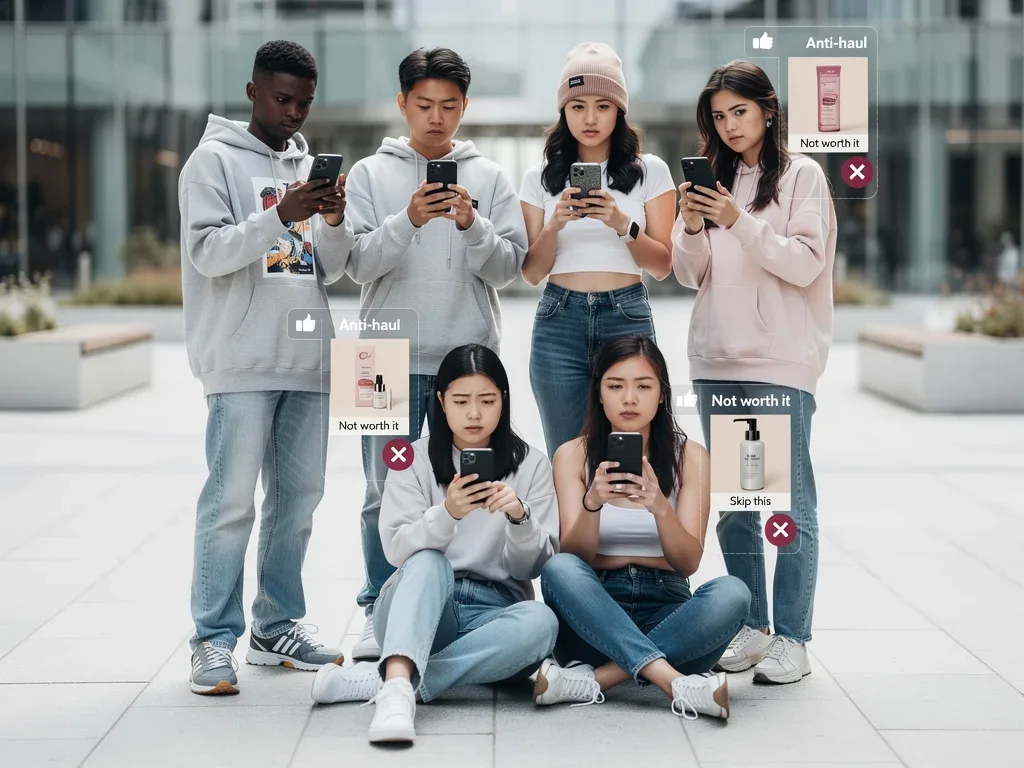
De-influencing and anti-hauls are profoundly impacting Gen Z's consumer behavior, with 61% of this demographic now consulting these content forms before making significant purchases, signaling a major shift in trust and purchasing patterns.
The landscape of consumer behavior is undergoing a seismic shift, particularly among younger generations. De-Influencing Hits New Highs: 61% of Gen Z Consumers Now Rely on Anti-Hauls Before Making Big Purchases, a statistic that underscores a profound evolution in how products and services are perceived and acquired. This isn't merely a trend; it's a fundamental recalibration of trust and influence in the digital age, compelling brands to rethink their engagement strategies.
Understanding the De-Influencing Phenomenon
De-influencing represents a significant counter-narrative to traditional influencer marketing. While influencers often showcase products in a positive light, encouraging consumption, de-influencers provide candid, often critical, reviews. They highlight products that don't live up to the hype, suggest alternatives, or even advocate against purchasing certain items altogether. This movement resonates deeply with Gen Z, a generation known for its skepticism towards overt marketing and a strong desire for authenticity.
This shift isn't accidental; it's a direct response to years of curated, often unrealistic, portrayals of products online. Consumers, especially younger ones, have grown weary of aspirational content that doesn't align with their real-world experiences. De-influencing offers a refreshing dose of reality, building a different kind of trust based on transparency and perceived honesty.
The Rise of Anti-Hauls
- Authenticity Over Aspiration: Anti-hauls prioritize genuine experiences over polished presentations, fostering a more relatable connection with the audience.
- Cost-Consciousness: Many anti-hauls focus on helping consumers avoid unnecessary spending, a key concern for Gen Z facing economic uncertainties.
- Sustainability Focus: De-influencers often touch upon overconsumption and its environmental impact, aligning with Gen Z's strong environmental values.
The appeal of anti-hauls lies in their ability to empower consumers. Instead of being told what to buy, viewers are guided on what to avoid, saving them time, money, and potential disappointment. This proactive approach to consumer education is rapidly becoming a cornerstone of Gen Z's purchasing journey, making it a critical aspect for brands to understand and adapt to.
In essence, de-influencing is about re-establishing a balance in the consumer-brand relationship, where critical evaluation holds as much weight as enthusiastic endorsement. It's a testament to Gen Z's demand for genuine information and their collective power to shape market trends.
Gen Z's Trust Shift: From Influencers to Real Talk
Gen Z has grown up in a hyper-connected world, exposed to a constant barrage of marketing messages. This environment has fostered a sophisticated level of media literacy and an inherent skepticism towards traditional advertising and even some forms of influencer marketing. They can discern genuine recommendations from paid promotions with remarkable accuracy, leading to a significant shift in who they trust for purchasing advice.
The traditional influencer model, while still powerful, is being challenged by the raw, unfiltered conversations happening in de-influencing circles. Gen Z values peer recommendations and unvarnished opinions far more than celebrity endorsements or perfectly staged product placements. This generation seeks relatability and shared experiences, making de-influencers, who often feel more like a friend giving honest advice, incredibly appealing.
Why Anti-Hauls Resonate with Gen Z
Anti-hauls resonate because they speak directly to Gen Z's core values. This demographic is highly attuned to social justice, environmental issues, and economic disparities. Overconsumption, often promoted by traditional hauls, clashes with these values. Anti-hauls, conversely, promote mindful consumption, critical thinking, and financial prudence, all of which are highly valued by Gen Z.
- Financial Prudence: Avoiding bad purchases helps Gen Z manage their budgets more effectively.
- Ethical Consumption: De-influencing often exposes unethical brand practices or unsustainable products.
- Community Building: Sharing anti-haul experiences fosters a sense of community among like-minded consumers.
This trust shift is not just about avoiding bad products; it's about aligning purchases with personal values. For Gen Z, a product isn't just an item; it's a statement about their identity and their beliefs. De-influencers help them make those statements authentically, without succumbing to marketing ploys.
The reliance on anti-hauls signifies a deeper longing for authenticity and transparency in a world saturated with curated content. Gen Z is actively seeking out voices that reflect their own skepticism and desire for truth, fundamentally altering the dynamics of consumer influence.
The Impact on Brand Marketing Strategies
The rise of de-influencing presents both challenges and opportunities for brands. Ignoring this trend is no longer an option, as it directly impacts purchasing decisions. Brands must now navigate a landscape where their products are scrutinized not just for their benefits, but for their perceived shortcomings and overall value proposition. This calls for a fundamental re-evaluation of marketing strategies, moving beyond mere promotion to fostering genuine trust and transparency.
Authenticity is paramount. Brands that attempt to co-opt de-influencing without genuine commitment to transparency will likely face backlash. Gen Z can spot inauthenticity from a mile away. Instead, brands should focus on creating high-quality products that genuinely meet consumer needs and then allow those products to speak for themselves, supported by honest communication.
Adapting to a De-Influenced Market
- Prioritize Product Quality: A strong product that delivers on its promises is the best defense against negative de-influencing.
- Embrace Transparency: Be open about product ingredients, sourcing, and even potential limitations.
- Engage with Critics: Instead of dismissing negative feedback, engage constructively and use it for improvement.
Brands should also consider collaborating with de-influencers, not to control their narrative, but to gain valuable insights and demonstrate a willingness to listen. This could involve sending products for honest review, even if it means receiving critical feedback, and using that feedback to improve. The goal is to build long-term relationships based on mutual respect and honesty, rather than short-term transactional sales.
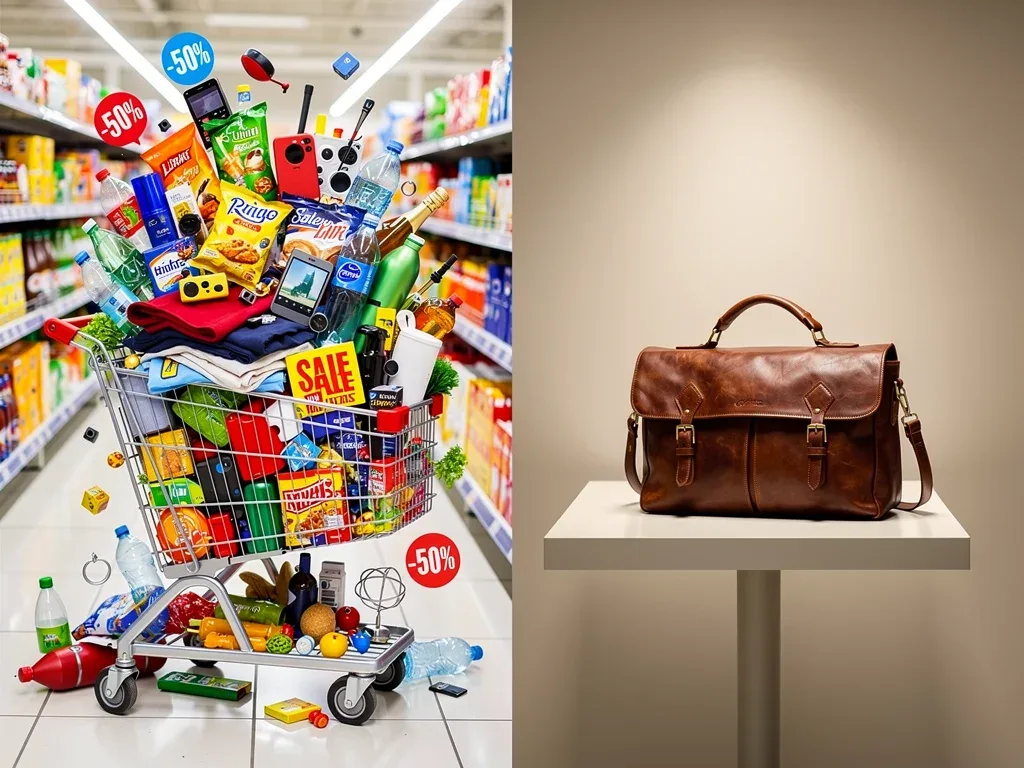
Ultimately, the impact of de-influencing forces brands to be better. It pushes them towards creating superior products, engaging in more ethical practices, and communicating with greater honesty. This shift, while initially challenging, can lead to stronger brand loyalty and a more sustainable business model in the long run.
The Psychology Behind Anti-Hauls and Consumer Resistance
The widespread adoption of anti-hauls by Gen Z is rooted in several key psychological principles. At its core, de-influencing taps into a desire for control and autonomy in purchasing decisions. In a world awash with persuasive advertising, the ability to resist impulsive buys and make informed choices provides a sense of empowerment. This is particularly salient for Gen Z, who often feel overwhelmed by choices and the pressure to conform to societal or social media-driven standards.
Another powerful psychological driver is the concept of social proof, but inverted. While traditional social proof encourages conformity by showing what others are buying, anti-hauls provide a form of negative social proof, highlighting what experienced peers advise against. This leverages the human tendency to learn from others' mistakes and avoid negative outcomes, fostering a collective wisdom that benefits the individual consumer.
Cognitive Biases at Play
Several cognitive biases contribute to the effectiveness of de-influencing:
- Loss Aversion: People are more motivated to avoid losses than to acquire equivalent gains. Anti-hauls play on this by helping consumers avoid the 'loss' of money or disappointment from a bad purchase.
- Confirmation Bias: Consumers seeking reasons not to buy a product will find validation in de-influencing content, reinforcing their initial skepticism.
- Authenticity Bias: Content perceived as authentic and unfiltered is often trusted more than polished, commercial messages, aligning with Gen Z's preference for genuine interactions.
Furthermore, the act of seeking out and engaging with de-influencing content can be seen as a form of self-protection. Consumers are actively arming themselves with information to navigate a complex marketplace, reducing post-purchase dissonance and regret. This proactive information-seeking behavior is a hallmark of a generation that values research and critical thinking before committing to a purchase.
The psychological underpinnings of de-influencing suggest that it's more than a fleeting trend; it's a manifestation of deeper human needs for control, authenticity, and informed decision-making in a consumer-driven society. Understanding these drivers is crucial for anyone looking to engage with Gen Z effectively.
Navigating the New Consumer Landscape: Tips for Gen Z
For Gen Z consumers, navigating the evolving digital marketplace requires a strategic approach. While de-influencing and anti-hauls offer valuable insights, it's essential to develop a balanced perspective and critical discernment. Relying solely on negative reviews can lead to missing out on genuinely good products, just as relying solely on positive reviews can lead to buyer's remorse. The key lies in leveraging these new forms of content as part of a broader, more comprehensive research process.
Consider de-influencing content as one data point among many. It's an excellent starting point for identifying potential pitfalls or overhyped items, but it shouldn't be the sole determinant of a purchasing decision. Always cross-reference information, look for multiple perspectives, and consider your own unique needs and preferences.
Strategies for Smart Consumption
- Diversify Your Information Sources: Don't just watch anti-hauls. Read professional reviews, look at user-generated content across different platforms, and check product specifications.
- Identify Your Needs: Clearly define what you need from a product before you start researching. This helps filter out irrelevant information and marketing noise.
- Test if Possible: If feasible, try a product in-store or through a sample before committing to a big purchase.
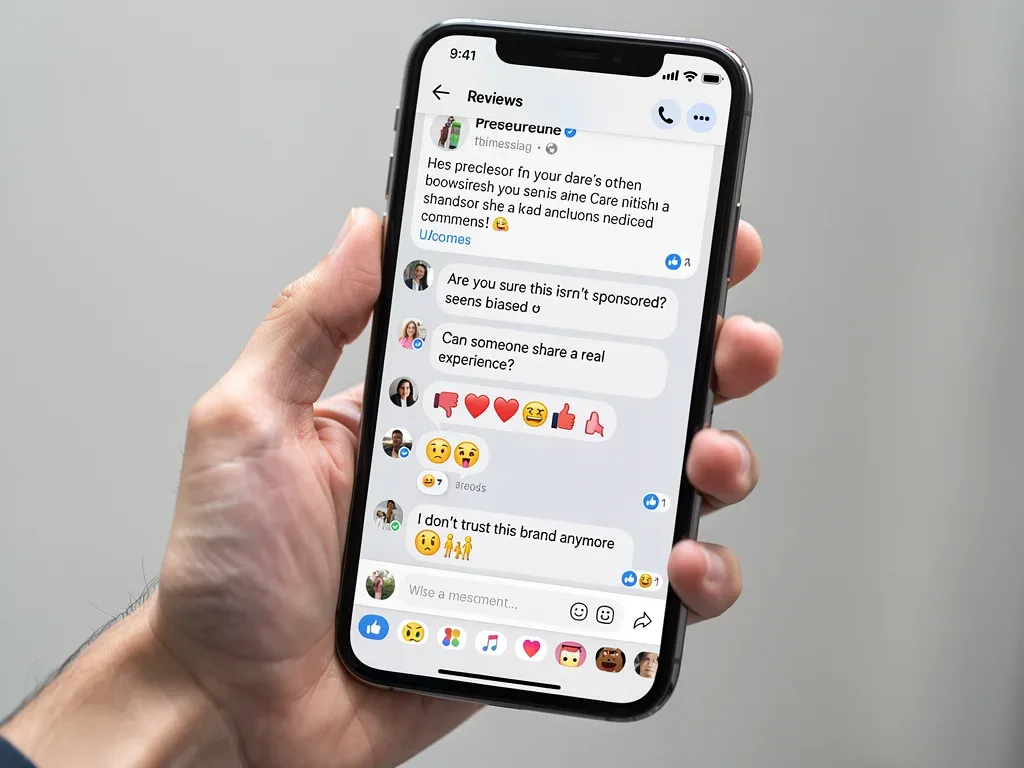
By adopting a critical and balanced approach, Gen Z can harness the power of de-influencing to make smarter, more satisfying purchasing decisions, rather than simply reacting to the latest online narrative. This empowers them to be truly in control of their consumption habits.
The Future of Influence: Beyond Traditional Endorsements
The emergence and rapid growth of de-influencing signal a fundamental shift in the very nature of influence. We are moving beyond an era dominated by traditional, often transactional, endorsements towards a more nuanced and complex landscape. The future of influence will likely be characterized by a greater emphasis on authenticity, expertise, and a willingness to engage in critical discourse rather than just promotional messaging. This new paradigm demands a more sophisticated approach from both content creators and brands.
Influencers who succeed in this new environment will be those who build genuine trust with their audience, not just by showcasing products, but by providing real value through honest opinions, helpful advice, and transparent communication. This means being comfortable with discussing product limitations and offering balanced perspectives, rather than exclusively highlighting positives.
Key Shifts in Influencer Marketing
- Micro- and Nano-Influencers: Their perceived authenticity and niche expertise will become even more valuable.
- Educational Content: Content that genuinely educates consumers about product categories, ingredients, or usage will gain traction.
- Co-creation and Feedback Loops: Brands will increasingly involve consumers and critical voices in product development and marketing.
For brands, this future necessitates a move from simply 'paying for exposure' to 'investing in relationships.' Building long-term partnerships with creators who align with their values and can offer genuine, even critical, feedback will be crucial. It also means focusing on building a brand reputation that can withstand scrutiny, backed by quality products and ethical practices.
The future of influence is not about the absence of promotion, but about promotion that is earned through trust and validated by genuine experience. It's a more challenging but ultimately more rewarding path for brands and creators alike, fostering a healthier and more transparent consumer ecosystem.
Ethical Considerations in De-Influencing
While de-influencing offers a refreshing counter-narrative to traditional marketing, it also comes with its own set of ethical considerations. The power to dissuade consumers from purchasing a product carries significant responsibility. De-influencers must ensure their critiques are fair, well-researched, and based on genuine experience, rather than personal bias, misinformation, or a desire for sensationalism. Unfounded negative reviews can unfairly harm brands and mislead consumers, undermining the very trust de-influencing aims to build.
Transparency is key. Just as traditional influencers disclose paid partnerships, de-influencers should be upfront about any potential biases, such as receiving free products or having pre-existing relationships with competing brands. The goal is to maintain the integrity of their message and avoid becoming just another form of biased content, albeit with a negative spin.
Maintaining Integrity in Anti-Hauls
- Fact-Checking: Always verify claims about product ingredients, performance, or brand ethics.
- Balanced Perspective: Acknowledge potential benefits of a product, even while highlighting its drawbacks.
- Constructive Criticism: Frame critiques in a way that is helpful and informative, rather than purely destructive.
Another ethical challenge arises when de-influencers promote alternative products. While recommending superior options can be helpful, it blurs the line between de-influencing and re-influencing. It's crucial for creators to be transparent about any affiliations or incentives tied to these alternative recommendations, to maintain the audience's trust and avoid becoming a new form of sponsored content.
The ethical framework for de-influencing is still evolving, but the core principle remains clear: responsible communication. By upholding standards of honesty, fairness, and transparency, de-influencers can continue to serve as valuable guides for Gen Z consumers, fostering a more informed and discerning marketplace without devolving into a new form of manipulative marketing.
| Key Trend | Brief Description |
|---|---|
| De-Influencing Rise | A movement where creators candidly review products, often highlighting flaws or suggesting alternatives, as a counter to traditional influencer marketing. |
| Gen Z's Reliance | 61% of Gen Z consumers now consult 'anti-hauls' before making major purchases, indicating a significant shift in trust. |
| Brand Impact | Forces brands to prioritize product quality, transparency, and authentic engagement over traditional promotional tactics. |
| Future of Influence | Shifts towards authentic, critical, and value-driven content, with a focus on genuine trust and informed decision-making. |
Frequently Asked Questions About De-Influencing
What exactly is de-influencing?▼De-influencing is a social media trend where content creators share their honest opinions on products, often highlighting their flaws, suggesting alternatives, or advising against purchases. It's a counter-movement to traditional influencer marketing, focusing on authenticity and critical evaluation rather than pure promotion.
Why is Gen Z embracing anti-hauls so strongly?▼Gen Z values authenticity, transparency, and financial prudence. Anti-hauls resonate with them by offering genuine, unfiltered reviews, helping them avoid unnecessary spending and aligning with their desire for mindful consumption. They seek relatable, honest advice over curated, aspirational content.
How does de-influencing affect brands and marketers?▼De-influencing forces brands to prioritize product quality and transparency. Marketers must shift from overt promotion to fostering genuine trust, engaging with feedback, and embracing ethical practices. It challenges traditional influencer strategies, pushing for more authentic and value-driven collaborations.
Are de-influencers always negative about products?▼Not necessarily. While they often highlight flaws or reasons not to buy, many de-influencers also offer balanced perspectives, suggest better alternatives, or even praise products that genuinely impress them. The core is honesty and critical evaluation, not just negativity, though that is a common element.
What are the ethical concerns surrounding de-influencing?▼Ethical concerns include ensuring critiques are fair and well-researched, avoiding misinformation, and transparently disclosing any biases or affiliations when recommending alternatives. De-influencers must uphold integrity to maintain audience trust and avoid becoming a new form of biased marketing.
Conclusion
The rise of de-influencing and the widespread adoption of anti-hauls by Gen Z consumers mark a pivotal moment in the evolution of consumer behavior. This shift is a clear indication that authenticity, transparency, and genuine value now outweigh traditional marketing hype. For brands, this necessitates a profound re-evaluation of strategies, emphasizing product quality, ethical practices, and honest communication. For consumers, it empowers them to make more informed and mindful purchasing decisions. As this trend continues to gain momentum, the future of influence will undoubtedly be shaped by critical thinking and a deeper commitment to trust, fundamentally altering the dynamics between creators, brands, and the discerning Gen Z audience.
