Humanoid Robotics: 30% Cost Reduction in Warehouses?
Advertisements
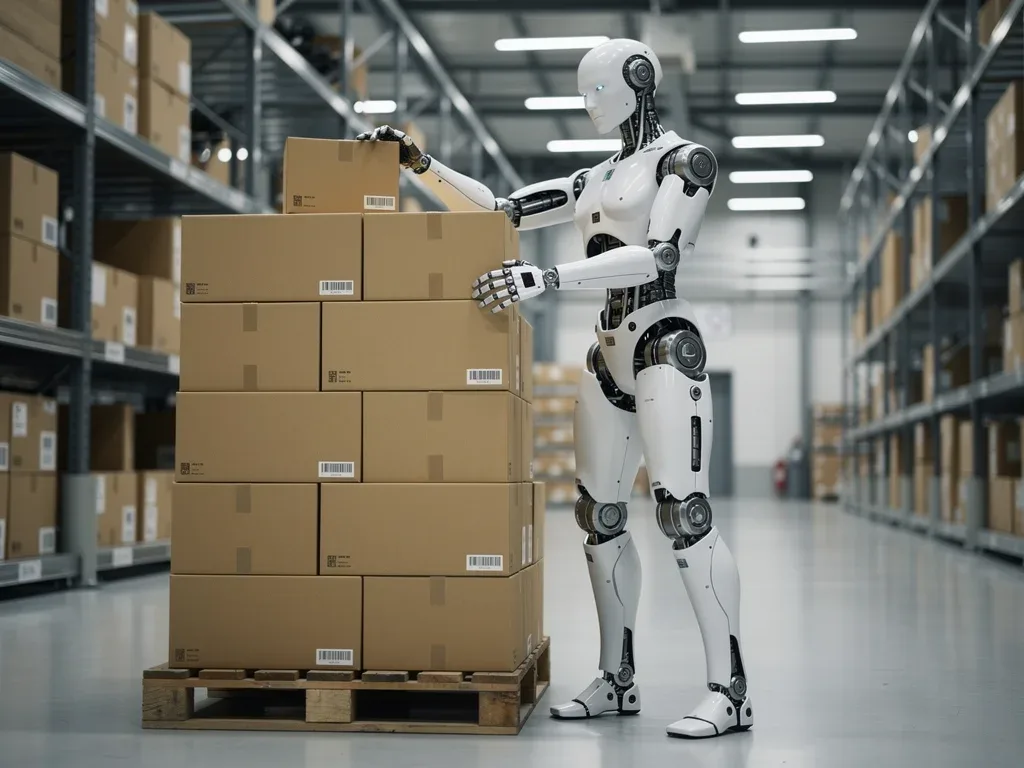
Humanoid robotics presents a compelling vision for warehouse efficiency, potentially delivering significant operational cost reductions by automating labor-intensive tasks and optimizing processes, though widespread 30% cuts by year-end face practical challenges.
The question of whether humanoid robotics can deliver 30% operational cost reductions in national warehouses by year-end is not merely an academic exercise; it's a critical inquiry for an industry constantly seeking efficiency gains. As supply chains become more complex and labor costs continue to rise, the allure of advanced automation, particularly in the form of human-like robots, grows stronger. This article delves into the feasibility, challenges, and transformative potential of integrating humanoid robots into warehouse operations across the United States, examining if such ambitious cost savings are truly within reach in the near future.
The Promise of Humanoid Robotics in Logistics
Humanoid robots represent a significant leap beyond traditional industrial automation. Their design, mimicking human form and movement, allows them to operate in environments originally designed for people, without requiring extensive infrastructure overhauls. This adaptability is a key factor in their potential to revolutionize warehouse operations, offering a versatile solution for tasks that are currently labor-intensive, repetitive, or ergonomically challenging for human workers.
The integration of humanoid robots promises a future where mundane and physically demanding tasks are seamlessly handled by machines, freeing human employees to focus on more complex problem-solving, oversight, and strategic planning. This shift could lead to a more engaged and productive workforce, while simultaneously addressing labor shortages that plague the logistics sector.
Enhanced Efficiency and Speed
Humanoid robots can operate continuously without breaks, fatigue, or the need for extensive training once programmed. This inherent capability for sustained, high-speed operation translates directly into improved throughput and faster order fulfillment, especially during peak seasons when demand surges. Their ability to navigate complex warehouse layouts and interact with existing infrastructure, such as shelving and conveyor systems, minimizes disruption during deployment.
- Continuous operation, 24/7.
- Reduced errors in picking and packing.
- Faster order processing cycles.
- Adaptability to varying package sizes and weights.
The potential for increased speed and accuracy across a multitude of warehouse functions is a primary driver for considering humanoid robotics. By streamlining these processes, companies can significantly reduce lead times and improve customer satisfaction, which are crucial competitive advantages in today's fast-paced market.
Ultimately, the promise of humanoid robotics extends beyond mere task automation; it's about reimagining the entire operational paradigm of a warehouse. The flexibility and intelligence of these machines could unlock unprecedented levels of efficiency, making the vision of substantial cost reductions a tangible goal for forward-thinking organizations.
Current State of Warehouse Automation and Humanoid Integration
Warehouse automation is not a new concept. Automated guided vehicles (AGVs), autonomous mobile robots (AMRs), and robotic arms have been integral to modern logistics for years, primarily handling repetitive tasks like transportation and palletizing. However, these systems often require specialized infrastructure and are limited in their adaptability to diverse, unstructured environments. Humanoid robots aim to bridge this gap, offering a more flexible and intelligent solution.
While significant strides have been made in developing humanoid capabilities, their widespread commercial deployment in national warehouses is still in its nascent stages. Pilot programs and research initiatives are ongoing, demonstrating impressive potential, but scaling these technologies to meet the demands of large-scale logistics operations presents considerable challenges. The technology is rapidly evolving, with advancements in AI, machine learning, and sensor technology continuously enhancing robot dexterity and decision-making capabilities.
Technological Hurdles and Progress
Despite rapid advancements, several technological hurdles remain. The ability of humanoid robots to perform highly nuanced tasks, such as delicate item handling or complex assembly, still requires refinement. Perception systems need to be robust enough to handle varying lighting conditions, unpredictable object placements, and dynamic human interactions. Battery life and charging infrastructure are also critical considerations for continuous operation, as is the development of intuitive programming interfaces that allow warehouse staff to easily adapt robots to new tasks.
- Dexterity and fine motor control.
- Robust perception in dynamic environments.
- Extended battery life and efficient charging.
- User-friendly programming and integration.
Progress in these areas is constant, with research labs and robotics companies pushing the boundaries of what's possible. As these technologies mature, the cost of development and deployment is expected to decrease, making humanoid robots more accessible to a broader range of businesses. The lessons learned from early implementations will be crucial in refining the technology for broader adoption.
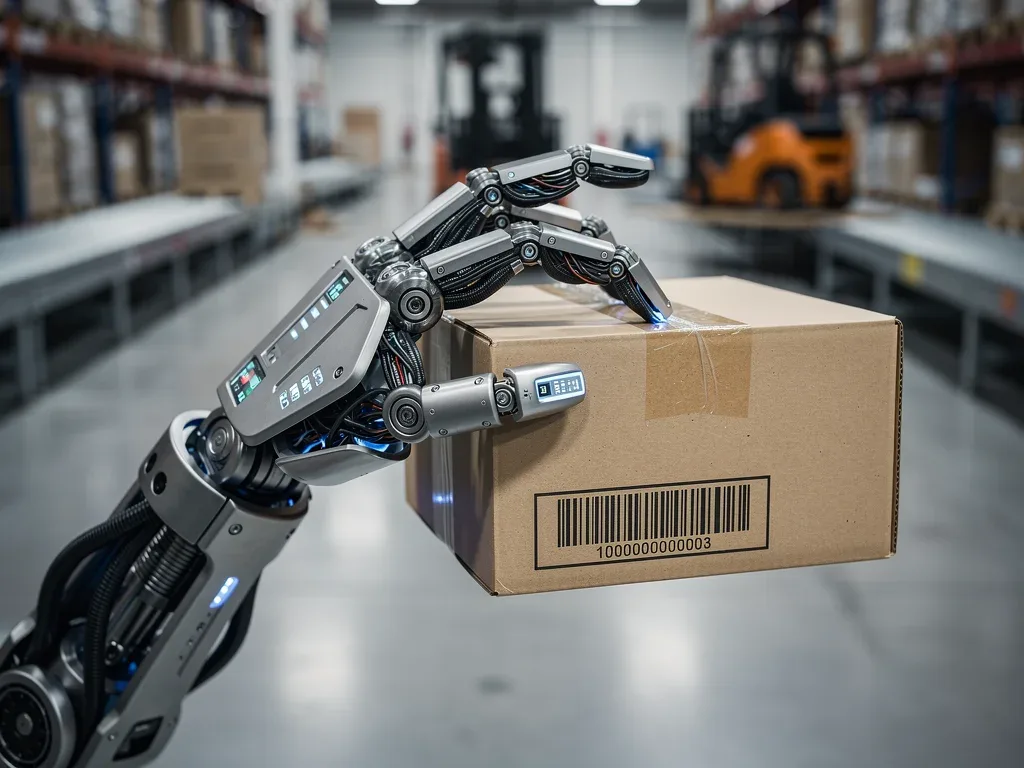
The current landscape suggests a promising trajectory for humanoid robotics in warehouses, moving from specialized applications to more general-purpose utility. The success of early adopters will be instrumental in demonstrating the tangible benefits and accelerating the pace of integration across the national logistics network.
Analyzing the 30% Cost Reduction Target
Achieving a 30% operational cost reduction in national warehouses by year-end through humanoid robotics is an ambitious goal, primarily because it implies a rapid and extensive deployment coupled with immediate, significant returns on investment. While the long-term potential for such savings is high, the short-term realization faces several practical constraints. The cost components in a typical warehouse include labor, utilities, rent, maintenance, and inventory management. Humanoid robots primarily target labor costs, but their impact extends to other areas through increased efficiency.
To hit a 30% reduction, the savings generated by robots would need to substantially outweigh their acquisition, deployment, and maintenance costs within a very short timeframe. This would require highly efficient robots, seamless integration with existing systems, and minimal disruption during the transition period. Such a rapid transformation is challenging given the current maturity of humanoid robotics and the complexity of national warehouse networks.
Key Areas for Cost Savings
The primary avenue for cost reduction is the automation of labor-intensive tasks. This includes picking, packing, sorting, and internal transportation. By reducing the reliance on human labor for these roles, companies can cut wages, benefits, and recruitment costs. Furthermore, robots can reduce errors, leading to fewer returns and less waste, which also contributes to cost savings. Optimized space utilization due to more efficient stacking and movement patterns can also lower operational overheads.
- Reduced labor expenses (wages, benefits, recruitment).
- Decreased error rates and product damage.
- Optimized warehouse space utilization.
- Lower utility costs through optimized operations.
Beyond direct labor savings, humanoid robots can contribute to a more efficient energy footprint by optimizing routes and operating machinery more precisely. The data collected by these robots can also provide valuable insights into warehouse performance, allowing for continuous optimization and further cost reductions. However, the initial capital expenditure for humanoid robots is significant, and the return on investment (ROI) timeline needs careful consideration.
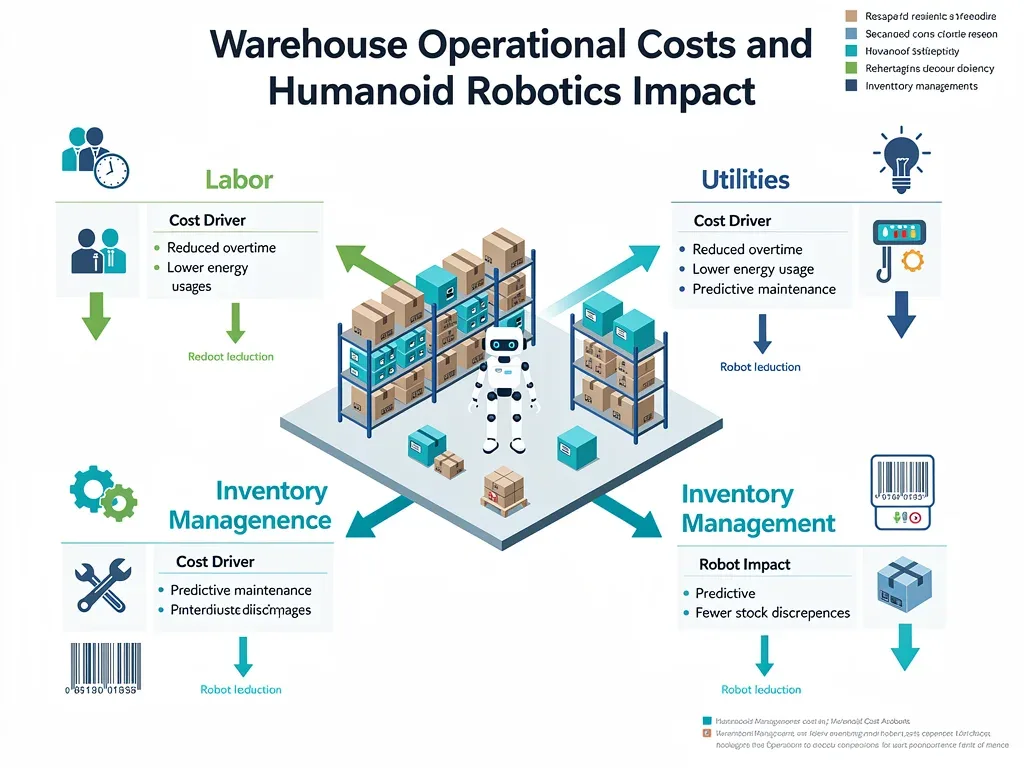
While a 30% reduction by year-end is a stretch for widespread application, specific pilot projects or highly optimized facilities might demonstrate impressive short-term gains. The true potential lies in a phased implementation strategy, allowing for gradual integration and optimization over a longer period.
Implementation Challenges and Roadblocks
The path to integrating humanoid robotics into national warehouses is fraught with challenges, extending beyond mere technological capabilities. The complexities of existing infrastructure, the need for skilled personnel, and the significant capital investment required represent substantial roadblocks. A successful deployment demands meticulous planning, rigorous testing, and a robust support ecosystem.
One of the most significant challenges is the integration with legacy warehouse management systems (WMS) and existing automation. Many warehouses operate with diverse systems that were not designed to communicate seamlessly with advanced humanoid robots. Achieving interoperability requires considerable development and customization, adding to both cost and deployment time. Furthermore, the physical layout of many older warehouses may not be immediately suitable for efficient robot operation, potentially necessitating costly renovations.
Overcoming Technical and Operational Hurdles
Technical challenges include ensuring the robots can reliably perform a wide array of tasks in dynamic, unpredictable warehouse environments. This involves advanced perception, navigation, and manipulation capabilities. Operational hurdles encompass training existing staff to work alongside robots, managing robot maintenance and repairs, and developing robust contingency plans for robot malfunctions. The human-robot collaboration aspect is crucial for safety and efficiency, requiring careful design and implementation.
- Integration with diverse legacy systems.
- Adaptation to varied warehouse layouts.
- Training and upskilling human workforce.
- Ensuring robot safety and reliability.
The upfront capital expenditure for purchasing and deploying a fleet of humanoid robots can be substantial, making it a significant barrier for many businesses, particularly small and medium-sized enterprises. Companies must carefully evaluate the ROI and consider financing options. Additionally, the regulatory landscape for robotics is still evolving, and compliance with safety standards and labor laws will be critical for successful adoption. Addressing these multifaceted challenges requires a strategic, long-term approach rather than a quick fix.
The Role of AI and Machine Learning in Humanoid Performance
The effectiveness of humanoid robotics in warehouse environments is inextricably linked to advancements in artificial intelligence (AI) and machine learning (ML). These technologies are the brains behind the brawn, enabling robots to perceive, understand, and interact with their surroundings in increasingly sophisticated ways. Without robust AI and ML capabilities, humanoid robots would be little more than complex, pre-programmed machines, lacking the adaptability required for dynamic warehouse operations.
AI allows humanoid robots to interpret sensory data from cameras, lidar, and other sensors, building a real-time understanding of the warehouse layout, inventory, and human activity. Machine learning algorithms enable robots to learn from experience, improving their performance over time. This continuous learning is crucial for tasks like picking irregularly shaped items, navigating crowded aisles, and optimizing routes based on changing conditions. The more data they process, the smarter and more efficient they become.
Enhancing Dexterity and Decision-Making
One of the most significant contributions of AI and ML is in enhancing the robot's dexterity and decision-making processes. For tasks such as picking and packing, robots need to identify objects, assess their fragility, and apply the correct grip force. AI-powered vision systems can recognize thousands of different products, even those with varying packaging or orientations. ML models can predict optimal grasping strategies and adjust their movements in real-time, minimizing errors and damage.
- Real-time object recognition and classification.
- Adaptive grasping and manipulation.
- Dynamic path planning and obstacle avoidance.
- Predictive maintenance and self-optimization.
Furthermore, AI-driven predictive analytics can forecast demand fluctuations, allowing robots to proactively adjust their workflows and resource allocation. This proactive approach can significantly improve overall warehouse efficiency and reduce bottlenecks. The synergy between advanced hardware and intelligent software is what truly unlocks the transformative potential of humanoid robots, enabling them to perform complex tasks with human-like precision and adaptability, ultimately driving towards the goal of substantial cost reductions.
Future Outlook: Beyond Year-End 2024
While achieving a 30% operational cost reduction in national warehouses by year-end 2024 through humanoid robotics remains highly challenging for widespread implementation, the long-term outlook is undeniably promising. The current year serves as a crucial period for pilot programs and proof-of-concept demonstrations, laying the groundwork for more significant transformations in the years to come. The trajectory of technological advancement suggests that the capabilities of humanoid robots will continue to grow exponentially, making them increasingly viable for broader adoption.
Looking beyond the immediate horizon, the integration of humanoid robotics is expected to become a standard component of advanced warehouse strategies. As economies of scale reduce manufacturing costs and software capabilities mature, the barrier to entry for businesses will lower. We can anticipate a future where humanoid robots work seamlessly alongside human employees, creating highly efficient and adaptive logistics ecosystems. This evolution will not only drive down operational costs but also redefine the nature of work in warehouses, fostering innovation and creating new job opportunities in robotics management and maintenance.
Long-Term Vision and Scalability
The long-term vision for humanoid robotics in warehouses includes fully autonomous operations where robots handle the vast majority of physical tasks, from receiving and put-away to picking, packing, and shipping. This scalability will allow companies to rapidly adapt to market demands, manage seasonal peaks with greater ease, and significantly reduce their reliance on manual labor for repetitive tasks. The data generated by these advanced systems will also provide unprecedented insights into supply chain dynamics, leading to continuous optimization.
- Full automation of physical warehouse tasks.
- Enhanced scalability to meet fluctuating demand.
- Creation of new high-skill jobs in robotics.
- Data-driven insights for supply chain optimization.
Furthermore, future humanoid robots are likely to be even more energy-efficient, environmentally friendly, and capable of self-diagnosis and repair, further reducing operational overheads. The collaborative potential between different types of robots and human workers will also be a key area of development, leading to hybrid systems that leverage the strengths of both. While 30% cost reduction by year-end 2024 is aggressive, it sets an ambitious target that drives innovation, pushing the industry towards a more automated, efficient, and cost-effective future in the long run.
| Key Aspect | Brief Description |
|---|---|
| Cost Reduction Target | Ambitious 30% operational cost reduction by year-end via humanoid robotics. |
| Feasibility by Year-End | Highly challenging for widespread national implementation due to current tech and integration hurdles. |
| Key Cost Savings | Primarily labor costs, enhanced efficiency, reduced errors, and optimized space utilization. |
| Long-Term Potential | Significant and transformative impact on warehouse operations and cost structures. |
Frequently Asked Questions About Humanoid Robotics in Warehouses
Can humanoid robots completely replace human workers in warehouses?▼While humanoid robots can automate many repetitive and physically demanding tasks, complete replacement of human workers is unlikely in the near future. Humans will still be crucial for supervision, complex problem-solving, maintenance, and strategic decision-making, leading to a collaborative work environment.
What are the biggest barriers to widespread humanoid robot adoption?▼The primary barriers include high initial capital investment, challenges in integrating with existing legacy systems, the need for robust AI and machine learning capabilities for complex tasks, and the development of comprehensive safety protocols for human-robot interaction.
How quickly can humanoid robots be deployed in an average warehouse?▼Deployment speed varies significantly based on warehouse size, complexity, and existing infrastructure. Pilot programs can be relatively quick, but a full-scale integration across a national network, with necessary system overhauls and training, could take several months to a few years.
Will humanoid robots require specialized infrastructure?▼One of the key advantages of humanoid robots is their ability to operate in human-centric environments. While some modifications for charging or optimized pathways might be beneficial, they generally require less specialized infrastructure compared to traditional industrial robots, minimizing initial setup costs.
What is the long-term impact of humanoid robotics on logistics jobs?▼The long-term impact is expected to involve a shift in job roles rather than mass unemployment. Repetitive tasks will be automated, but new jobs will emerge in robotics management, maintenance, programming, and data analysis. The workforce will need to adapt through upskilling and reskilling initiatives.
Conclusion
The aspiration for humanoid robotics to deliver 30% operational cost reductions in national warehouses by year-end is a testament to the transformative potential of advanced automation. While achieving such a widespread and significant reduction within a single year presents considerable practical challenges, including high initial investment, complex integration, and ongoing technological refinements, the long-term trajectory is clear. Humanoid robots, powered by increasingly sophisticated AI and machine learning, are poised to fundamentally reshape the logistics landscape. They offer unparalleled flexibility and efficiency, promising substantial cost savings and operational improvements over time. The immediate future will likely see targeted, successful pilot programs paving the way for broader adoption, demonstrating that while the 30% year-end target may be ambitious, it serves as a powerful catalyst for innovation in warehouse automation.
