Micro-Splurge Trend: Stressed Consumers & Affordable Luxury
Advertisements
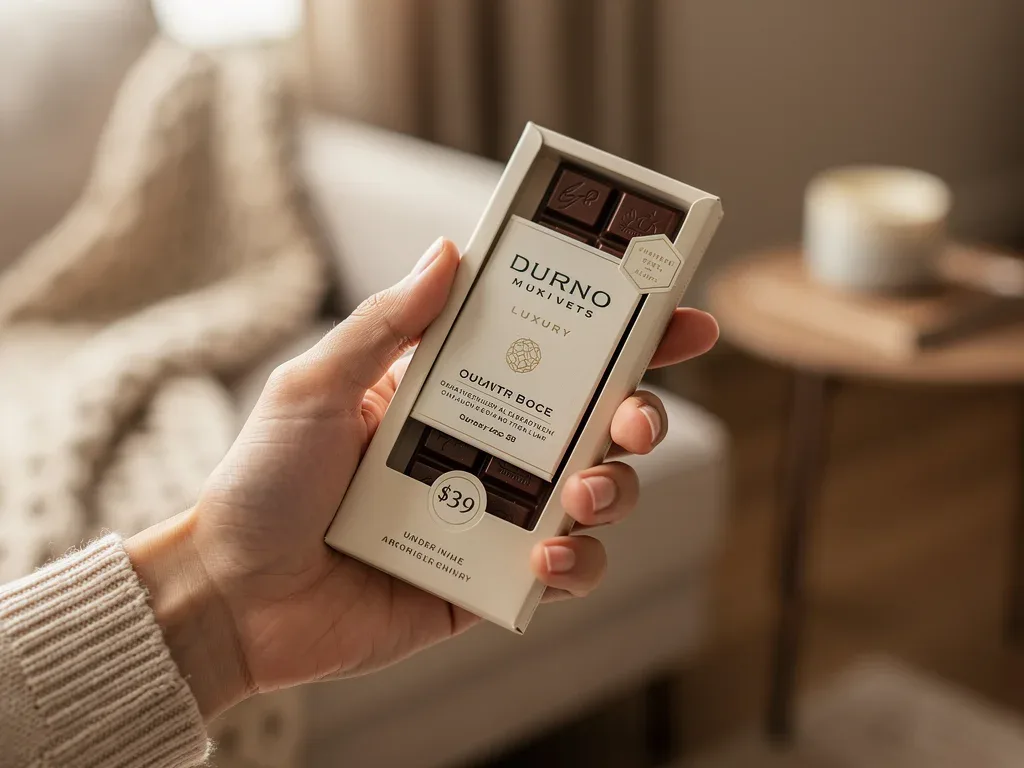
The micro-splurge consumer trend reveals that a significant 64% of stressed consumers are increasingly prioritizing affordable luxury items under $50, leveraging these small purchases as a coping mechanism for daily pressures and a source of accessible comfort.
The phenomenon known as the micro-splurge consumer trend is rapidly gaining traction, revealing a compelling insight into modern consumer behavior. In an era marked by heightened stress and economic uncertainties, a striking 64% of consumers are turning to affordable luxury items, specifically those priced under $50, as a means of comfort and self-care. This isn't just about making a purchase; it's about a psychological shift where small, accessible indulgences become vital tools for managing daily pressures and finding joy in challenging times.
Understanding the Micro-Splurge Phenomenon
The micro-splurge trend represents a significant evolution in how consumers approach discretionary spending, particularly when faced with external stressors. It’s a deliberate choice to invest in small, high-quality items that offer an immediate sense of gratification and elevate everyday experiences, without breaking the bank. This behavior is deeply rooted in psychological needs, offering a momentary escape and a feeling of control in an often unpredictable world.
Many consumers, especially those feeling the pinch of inflation or the weight of global anxieties, find that these affordable luxuries provide a much-needed emotional boost. Instead of deferring all forms of pleasure, they seek out smaller, more frequent rewards. This allows them to maintain a sense of normalcy and well-being, proving that luxury doesn't always have to come with a hefty price tag.
The Psychological Drivers Behind Small Indulgences
At its core, the micro-splurge is a coping mechanism. When stress levels are high, individuals often seek ways to alleviate tension and improve their mood. Small, affordable luxuries provide a tangible and accessible solution. These purchases can trigger positive emotions, offering a temporary reprieve from worries and a sense of personal agency.
- Mood Enhancement: A new coffee mug, a premium snack, or a scented candle can instantly elevate one's environment and mood.
- Sense of Control: Making a deliberate, pleasant purchase can instill a feeling of control over one's immediate circumstances.
- Self-Reward: These items often serve as a pat on the back for enduring daily challenges, reinforcing self-worth.
- Accessible Luxury: They democratize luxury, making premium experiences available to a broader demographic.
The psychological impact extends beyond the moment of purchase; it creates a ripple effect of sustained positive feelings, albeit often short-lived. This makes the micro-splurge a powerful, albeit temporary, antidote to persistent stress.
In conclusion, the micro-splurge is far more than just impulse buying; it's a strategic consumer behavior driven by deep-seated psychological needs for comfort, control, and mood elevation in stressful times. Understanding these drivers is key to comprehending the trend's widespread appeal.
Economic Pressures and the Search for Affordable Comfort
The current economic landscape plays a pivotal role in the proliferation of the micro-splurge trend. With inflation impacting household budgets and general economic uncertainty looming, consumers are becoming more discerning about their spending. Major luxury purchases might be out of reach, but the desire for quality and comfort remains strong. This creates a fertile ground for the growth of affordable luxury items, offering a middle ground between austerity and extravagance.
Consumers are seeking value beyond just price; they want products that offer a perceived upgrade to their daily lives without significant financial strain. This shift in spending habits reflects a pragmatic approach to personal well-being, where small, impactful purchases are prioritized over larger, less frequent ones.
Inflation's Role in Shifting Spending Habits
Rising costs for essentials like groceries, gas, and housing leave less disposable income for many. This economic pressure forces consumers to re-evaluate their spending priorities. Instead of foregoing all non-essential items, they adapt by focusing on smaller, more manageable indulgences. The $50 price point becomes a crucial threshold, representing an amount that feels significant enough to be a treat, yet small enough to avoid guilt or financial stress.
- Budget-Friendly Treats: Micro-splurges allow for small acts of self-care within a tighter budget.
- Perceived Value: Consumers are keen to find products that offer a high-quality experience for a modest price.
- Frequency Over Size: The ability to make frequent small purchases provides more consistent mood boosts than a rare large one.
- Economic Resilience: This trend demonstrates consumer resilience, adapting spending to maintain quality of life.
This economic reality has inadvertently fueled the micro-splurge, transforming it from a niche behavior into a mainstream coping strategy for many. Brands that can deliver perceived luxury at an accessible price point are well-positioned to thrive in this environment.
Ultimately, the micro-splurge trend is a direct response to economic pressures, allowing consumers to find comfort and maintain a sense of luxury without compromising their overall financial stability. It's a testament to human adaptability in challenging economic times.
Defining 'Affordable Luxury' in the Micro-Splurge Context
What exactly constitutes 'affordable luxury' within the micro-splurge trend is highly subjective but generally revolves around items that offer a premium experience or higher quality than their everyday counterparts, all while staying under the $50 mark. These aren't necessarily essential items, but rather products that enhance daily life and provide a sense of elevated enjoyment. The definition often emphasizes craftsmanship, unique ingredients, ethical sourcing, or a superior aesthetic.
From artisanal coffee beans and high-quality skincare products to bespoke stationery or gourmet snacks, the range of micro-splurge items is vast. The key is the perceived value and the emotional uplift they provide, far exceeding their monetary cost. It’s about buying something that feels special, not just functional.
Examples of Popular Micro-Splurge Categories
Consumers are finding affordable luxury in a wide array of product categories. These items often tap into sensory experiences or offer a small upgrade to personal routines, making them particularly effective at combating stress.
- Gourmet Food & Drink: Premium chocolates, specialty coffees, craft beers, or unique spices.
- Beauty & Personal Care: High-end lip balms, luxurious hand creams, face masks, or artisanal soaps.
- Home Goods: Scented candles, small decorative items, unique stationery, or cozy socks.
- Experiences: A single, high-quality pastry from a local bakery, a new book, or a premium magazine subscription.
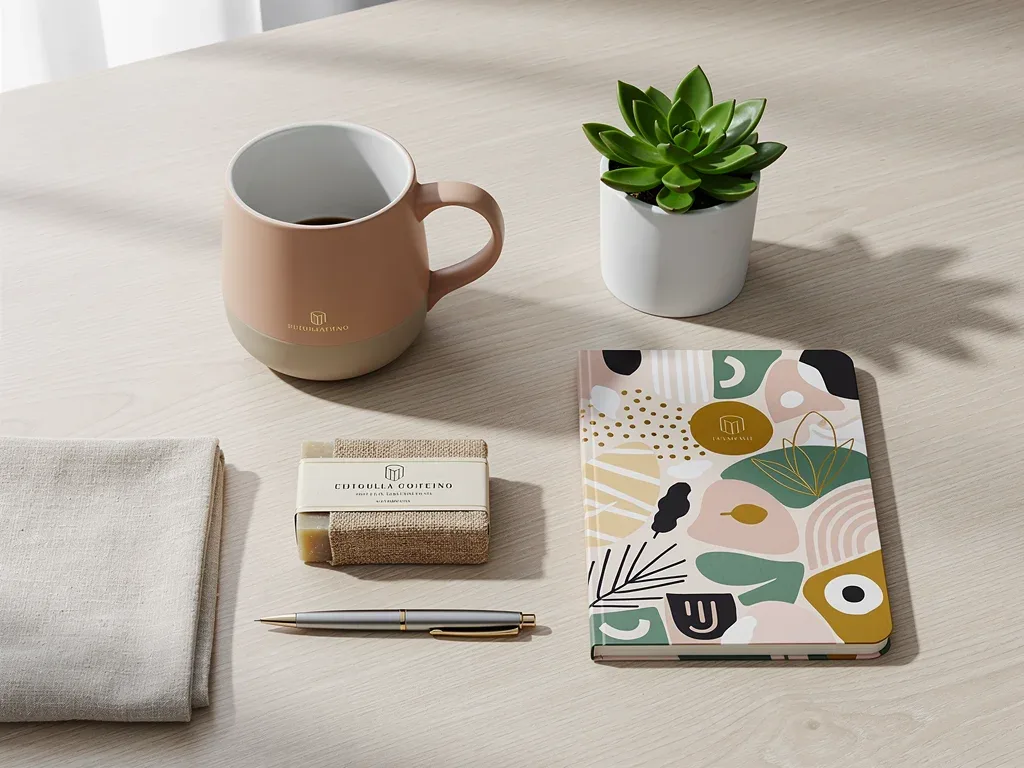
These categories all share a common thread: they offer a tangible, immediate, and often sensory-rich experience that provides a sense of indulgence without requiring a significant financial outlay. They are small luxuries that fit seamlessly into daily life.
In essence, affordable luxury in the context of micro-splurges is about accessible indulgence. It’s about finding joy and quality in smaller, more frequent purchases that enhance well-being without causing financial strain, proving that luxury can indeed be within reach for everyone.
The Role of Social Media and Influencer Culture
Social media platforms and influencer marketing have played a crucial role in amplifying the micro-splurge trend. These platforms provide a constant stream of curated content showcasing desirable, yet accessible, products. Influencers often highlight their favorite small luxuries, demonstrating how these items can enhance daily routines and provide moments of joy. This visual and aspirational content normalizes and encourages the behavior, making it even more widespread.
The ease of discovery on platforms like Instagram and TikTok, coupled with direct links to purchase, lowers the barrier to entry for these small indulgences. Consumers are constantly exposed to new ideas for micro-splurges, making it simple to find and acquire items that resonate with their personal sense of affordable luxury.
How Digital Platforms Fuel Desire
Digital platforms excel at creating desire and fostering community around specific products. When an influencer raves about a $25 candle or a $40 skincare product, it creates a sense of FOMO (fear of missing out) and validates the purchase as a worthwhile investment in self-care. The visual nature of these platforms also allows for vivid demonstrations of how these items can enhance one's lifestyle.
- Visual Inspiration: High-quality images and videos make affordable luxury items highly appealing.
- Peer Validation: Seeing others enjoy similar purchases provides social proof and encourages adoption.
- Easy Discovery: Algorithms and hashtags facilitate the discovery of new micro-splurge opportunities.
- Direct Shopping Links: Seamless integration of e-commerce makes impulse purchases incredibly easy.
The continuous feedback loop of likes, comments, and shares further reinforces the positive associations with micro-splurging, turning it into a shared experience rather than just an individual act of consumption. This collective engagement strengthens the trend's momentum.
In summary, social media and influencer culture are powerful catalysts for the micro-splurge trend, creating a dynamic environment where affordable luxuries are constantly showcased, validated, and made easily accessible to a wide audience, thereby fueling consumer desire and participation.
The Retailer's Response: Capitalizing on Micro-Splurges
Retailers, both large and small, have been quick to recognize and adapt to the burgeoning micro-splurge trend. Understanding that consumers are seeking affordable comfort and accessible luxury, many brands are strategically redesigning their product lines, marketing campaigns, and even store layouts to cater to this demand. This involves creating dedicated sections for smaller, premium items, developing exclusive limited-edition products, and emphasizing the sensory and emotional benefits of their offerings.
The focus is on presenting products that feel special and valuable, even at a lower price point. This strategic shift allows retailers to tap into a significant market segment that is actively looking for ways to treat themselves without overspending, ensuring continued engagement and sales.
Marketing Strategies for Affordable Luxury
To effectively capitalize on the micro-splurge trend, retailers are employing several key marketing strategies. These approaches aim to highlight the unique value proposition of affordable luxury items, emphasizing their ability to provide joy, comfort, and an enhanced experience.
- Curated Collections: Grouping small, premium items together to encourage impulse purchases and gift-giving.
- Storytelling: Emphasizing the craftsmanship, unique ingredients, or ethical sourcing behind products to justify their perceived value.
- Experiential Marketing: Offering samples, demonstrations, or in-store events that allow consumers to experience the premium nature of the products.
- Limited Editions: Creating a sense of urgency and exclusivity around certain affordable luxury items.
Retailers are also leveraging data analytics to understand consumer preferences better, allowing them to tailor their offerings to specific micro-splurge categories that resonate most with their target audience. This data-driven approach maximizes the impact of their marketing efforts.
In essence, retailers are actively shaping their strategies to meet the evolving demands of the micro-splurge consumer. By focusing on value, experience, and emotional connection, they are successfully transforming small purchases into significant revenue streams and fostering customer loyalty.
The Future of Affordable Indulgence and Consumer Well-being
The micro-splurge trend is more than just a fleeting fad; it represents a fundamental shift in consumer priorities and a sustainable approach to personal well-being in an increasingly stressful world. As economic uncertainties persist and the pace of modern life continues to accelerate, the need for accessible moments of joy and comfort is likely to grow, solidifying the place of affordable luxury in consumer spending habits. This trend suggests a future where self-care is not a luxury reserved for the wealthy, but an everyday practice made possible through mindful, smaller purchases.
For brands, this means a continued focus on innovation within the under-$50 price point, ensuring that quality, ethical production, and a strong brand narrative remain central to their offerings. For consumers, it signifies a more conscious and emotionally intelligent approach to spending, where each purchase is not just a transaction but a deliberate investment in personal happiness and resilience.
Evolving Consumer Expectations and Brand Opportunities
As the micro-splurge trend matures, consumer expectations will also evolve. Shoppers will increasingly seek out brands that not only offer affordable luxury but also align with their values, such as sustainability, transparency, and social responsibility. This presents a significant opportunity for brands to differentiate themselves by integrating these values into their micro-splurge offerings.
- Sustainability Focus: Eco-friendly packaging and ethically sourced ingredients will become more important.
- Personalization: Customized or unique small items will command greater attention.
- Wellness Integration: Products that genuinely contribute to mental or physical well-being will be highly valued.
- Community Building: Brands that foster a sense of community around their micro-splurge items will thrive.

The future of affordable indulgence lies in its ability to offer meaningful experiences and products that resonate deeply with consumers' desire for both quality and well-being. Brands that can consistently deliver on these evolving expectations will secure a lasting place in the micro-splurge market.
In conclusion, the micro-splurge trend is poised for continued growth, driven by an enduring consumer need for affordable comfort and well-being. It reshapes how we view luxury and consumption, highlighting the power of small indulgences to make a big difference in daily life.
| Key Aspect | Brief Description |
|---|---|
| Consumer Motivation | Stressed consumers seek affordable luxuries under $50 for mood boosts and self-care. |
| Economic Impact | Inflation and uncertainty push consumers towards smaller, more frequent indulgences. |
| Affordable Luxury | Products offering premium experience or higher quality for less than $50. |
| Market Response | Retailers adapt with curated collections and experiential marketing for these items. |
Frequently Asked Questions About Micro-Splurges
What is the micro-splurge consumer trend?▼The micro-splurge trend involves consumers, especially those feeling stressed, purchasing affordable luxury items typically under $50. These small indulgences provide comfort, joy, and a sense of self-care without significant financial commitment, acting as a coping mechanism for daily pressures.
Why are stressed consumers prioritizing items under $50?▼Stressed consumers prioritize items under $50 because economic pressures and daily anxieties make larger luxury purchases impractical. These smaller items offer an accessible way to experience pleasure, boost mood, and exert a sense of control, providing immediate gratification and comfort.
What types of products are considered micro-splurges?▼Micro-splurges encompass a wide range of products that offer a premium experience for a modest price. Common examples include gourmet foods, high-quality skincare, artisanal home goods like scented candles, unique stationery, or craft beverages, all valued for their perceived quality and emotional uplift.
How does social media influence the micro-splurge trend?▼Social media and influencers significantly fuel the micro-splurge trend by showcasing desirable, affordable luxury items. Platforms like Instagram and TikTok provide visual inspiration, social validation, and direct shopping links, making it easier for consumers to discover and purchase these mood-boosting products.
What does this trend mean for retailers and brands?▼For retailers and brands, the micro-splurge trend signals a need to focus on quality, value, and emotional connection within the under-$50 price point. It presents opportunities to create curated collections, emphasize product storytelling, and engage in experiential marketing to cater to consumers seeking accessible indulgence and well-being.
Conclusion
The micro-splurge consumer trend is a powerful reflection of modern consumer psychology and economic realities. With 64% of stressed individuals actively seeking affordable luxury items under $50, this behavior highlights a fundamental human need for comfort and joy, even in challenging times. It underscores the importance of small, meaningful indulgences in maintaining well-being and offers a strategic blueprint for brands looking to connect with consumers on a deeper, more empathetic level. As stress and economic fluctuations continue, the micro-splurge is set to remain a significant and evolving aspect of consumer behavior, shaping market offerings and personal spending habits for years to come.
