Nighttime Shopping Surges: 25% of US E-Commerce After Hours
Advertisements

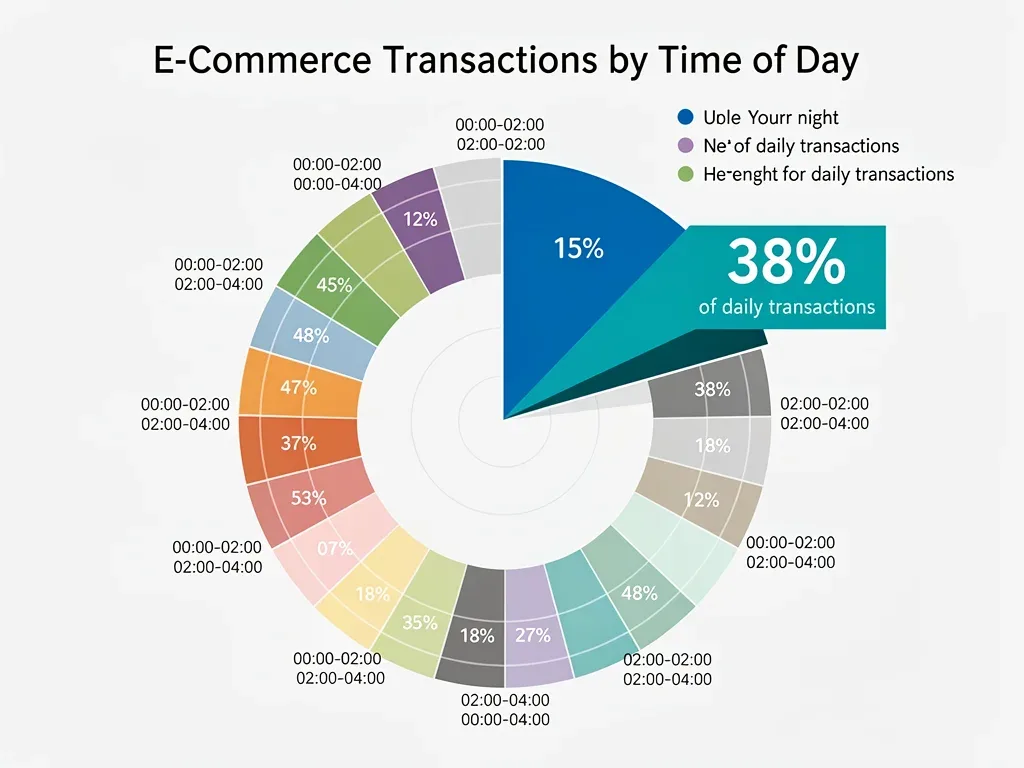
A significant shift in consumer behavior reveals that 25% of all US e-commerce transactions now happen between 10 PM and 2 AM, propelled by factors like flexible schedules, mobile accessibility, and personalized digital experiences.
The digital marketplace never sleeps, and increasingly, neither do American shoppers. The phenomenon of nighttime shopping surges, where a quarter of all US e-commerce transactions now take place between 10 PM and 2 AM, is transforming retail as we know it. This shift isn't just a minor blip; it's a profound indicator of evolving consumer habits and technological integration into daily life, beckoning us to explore the underlying causes and implications of this after-hours economic boom.
The Rise of the Night Owl Shopper
The traditional 9-to-5 workday no longer dictates the rhythm of commerce for a significant portion of the population. As lifestyles become more fluid and schedules more varied, consumers are finding their prime shopping hours extending deep into the night. This isn't merely about convenience; it's about reclaiming personal time and leveraging the always-on nature of online retail.
The quiet hours between 10 PM and 2 AM offer a unique window for many. After work, family obligations, and daily chores are complete, the evening provides a calm environment conducive to focused browsing and purchasing. This period allows for thoughtful consideration of products without the distractions of a busy day.
Shifting Lifestyles and Work Patterns
Modern work arrangements, including remote work, flexible hours, and the gig economy, have blurred the lines between personal and professional time. This flexibility often means that traditional daytime errands are pushed into the evenings or weekends, making late-night online shopping a practical solution.
- Remote work schedules allow for greater personal flexibility.
- Gig economy workers often have non-traditional work hours.
- Increased demands on daytime hours push leisure activities to the evening.
Furthermore, the psychological aspect of shopping in solitude plays a role. Without the pressure of a physical store environment or the rush of daytime online traffic, consumers can engage with brands on their own terms, leading to a more satisfying and personalized experience. This quiet contemplation often translates into higher conversion rates during these late hours, contributing significantly to the overall volume of nighttime shopping surges.
Technological Enablers and Mobile Dominance
The proliferation of smartphones and tablets has fundamentally reshaped how and when people shop. With a powerful retail portal constantly in their pockets, consumers can engage with brands from virtually anywhere, at any time. This pervasive mobile access is a key driver behind the significant uptick in late-night transactions.
Mobile devices offer unparalleled convenience, allowing individuals to browse and buy from the comfort of their beds, sofas, or even during a late-night snack break. The seamless user experience provided by well-designed mobile apps and responsive websites makes impulse purchases and planned shopping equally effortless, fueling the nighttime shopping surges.
Optimized Mobile Shopping Experiences
E-commerce platforms have heavily invested in optimizing their mobile interfaces, understanding that a smooth, intuitive experience is crucial for retaining late-night shoppers. This includes faster loading times, simplified checkout processes, and personalized recommendations that adapt to individual preferences.
- One-click purchasing streamlines the buying process.
- Personalized recommendations enhance product discovery.
- Secure payment gateways build trust for after-hours transactions.
Beyond mobile, advancements in artificial intelligence and machine learning play a critical role. These technologies enable retailers to analyze vast amounts of data, predicting consumer needs and presenting relevant products precisely when shoppers are most receptive. This targeted approach significantly boosts engagement and sales during the nocturnal hours, making the experience more efficient and enjoyable for the consumer and more profitable for the retailer. The continuous evolution of these technologies ensures that the ease of nighttime shopping will only continue to improve.
The Allure of Convenience and Instant Gratification
In today's fast-paced world, convenience is king. The ability to shop without time constraints, crowds, or the need to travel is a powerful draw for consumers. Late-night e-commerce offers an escape from the demands of the day, providing a stress-free shopping environment that caters to individual schedules.
This convenience extends beyond just the act of purchasing. Many consumers use these late hours to research products thoroughly, compare prices, and read reviews, ensuring they make informed decisions. The absence of daytime distractions allows for a more focused approach to shopping, turning what might be a rushed experience during the day into a leisurely activity at night.
Overcoming Traditional Shopping Barriers
Traditional brick-and-mortar stores have fixed hours, often conflicting with busy schedules. Online shopping, especially during off-peak hours, eliminates this barrier entirely. This accessibility is particularly beneficial for individuals with demanding jobs, parents, or those living in remote areas.
- No store closing times mean round-the-clock access.
- Avoidance of crowds and parking hassles.
- Accessibility from any location with internet access.
Moreover, the promise of rapid delivery, often next-day or even same-day, feeds into the desire for instant gratification. Knowing that a purchase made late at night will arrive quickly adds another layer of appeal, reinforcing the utility and efficiency of late-night e-commerce. This combination of convenience, accessibility, and speed is a potent formula driving the significant growth in nighttime shopping surges.
Targeted Marketing and Personalized Experiences
E-commerce retailers are increasingly sophisticated in their marketing strategies, particularly when it comes to understanding and capitalizing on late-night consumer behavior. Data analytics allows companies to identify peak shopping times for different demographics and tailor their messaging accordingly. This means that promotions, new product launches, and personalized recommendations are often strategically timed to align with when consumers are most active online during these nocturnal hours.
Personalization goes beyond just product suggestions. It includes customized website layouts, dynamic pricing, and even unique content designed to resonate with the specific mindset of a late-night shopper. This bespoke approach fosters a deeper connection between the consumer and the brand, encouraging repeat purchases and brand loyalty, which further contributes to the nighttime shopping surges.
Leveraging Data for After-Hours Engagement
Retailers analyze browsing history, purchase patterns, and even social media activity to create highly individualized shopping experiences. This data-driven approach ensures that the products and offers presented are highly relevant, increasing the likelihood of conversion during late-night sessions.
- AI-powered recommendation engines suggest relevant products.
- Dynamic pricing strategies offer time-sensitive deals.
- Targeted email campaigns align with peak engagement times.
The effectiveness of these targeted strategies lies in their ability to make the shopping experience feel less like a transaction and more like a curated journey. By understanding the unique needs and desires of the night owl shopper, businesses can create an environment that encourages exploration and purchasing, solidifying the trend of significant after-hours e-commerce activity. This continuous optimization is crucial for maintaining and growing the impact of nighttime shopping surges.
The Economic Impact and Future Outlook
The substantial volume of e-commerce transactions occurring between 10 PM and 2 AM represents a significant economic force. This shift is not just about reallocation of existing shopping; it often represents incremental sales that might not have happened during traditional hours. Businesses that successfully tap into this market segment stand to gain a considerable competitive advantage, influencing market share and overall revenue.
The economic implications extend beyond direct sales. It impacts logistics, customer service, and marketing departments, requiring businesses to adapt their operations to support a 24/7 retail cycle. This adaptation includes everything from optimizing warehouse operations for late-night order fulfillment to providing round-the-clock customer support, all to capitalize on the sustained momentum of nighttime shopping surges.

Operational Adjustments for 24/7 Retail
To support the growing demand for late-night shopping, companies are investing in automation, expanding their fulfillment centers, and implementing advanced inventory management systems. This ensures that the promise of quick delivery, a key driver for after-hours purchases, can be consistently met.
- Automated warehouses process orders efficiently around the clock.
- Extended customer service hours cater to global time zones and late shoppers.
- Investment in robust IT infrastructure to handle peak night traffic.
Looking ahead, this trend is likely to intensify. As technology continues to evolve, offering even more seamless and personalized shopping experiences, the lines between day and night commerce will further blur. Retailers who can anticipate and adapt to these evolving consumer patterns will be the ones that thrive, cementing the importance of understanding and leveraging the power of nighttime shopping surges in the digital economy.
Challenges and Opportunities for Retailers
While the surge in late-night e-commerce presents immense opportunities, it also comes with its own set of challenges for retailers. Adapting to a 24/7 shopping cycle requires significant operational shifts, from staffing customer service and fulfillment centers to managing cybersecurity risks during off-peak hours. Ensuring a consistent, high-quality experience around the clock demands robust infrastructure and strategic planning.
However, these challenges often pave the way for innovation. Retailers are exploring new technologies, such as AI-driven chatbots for instant customer support and advanced logistics solutions, to meet the unique demands of the late-night shopper. Successfully navigating these hurdles can unlock substantial growth and customer loyalty.
Navigating the Landscape of After-Hours Commerce
One of the primary challenges is maintaining data security and preventing fraud during hours when human oversight might be reduced. Implementing sophisticated fraud detection systems and ensuring compliance with data protection regulations are paramount to building trust with consumers who engage in nighttime shopping surges.
- Enhanced cybersecurity measures protect transactions and customer data.
- Efficient inventory management prevents stockouts during peak night hours.
- Scalable IT infrastructure to handle fluctuating demand.
Furthermore, understanding the specific product categories that perform best during late-night hours is crucial. While some items, like electronics or fashion, might be popular, others might see less activity. Retailers must analyze their own data to tailor their product offerings and marketing efforts to maximize impact during the nighttime shopping surges. This strategic focus ensures resources are allocated effectively, converting challenges into profitable opportunities within this dynamic market segment.
| Key Aspect | Brief Description |
|---|---|
| Consumer Behavior Shift | Flexible schedules and personal time reclamation drive late-night online shopping habits. |
| Mobile Device Impact | Smartphones and tablets provide constant access, enabling spontaneous and planned purchases. |
| Retailer Adaptations | Businesses optimize operations, logistics, and marketing for 24/7 e-commerce demands. |
| Future Growth | Ongoing technological advancements will further solidify and expand this after-hours trend. |
Frequently Asked Questions About Nighttime E-Commerce
Why are nighttime shopping surges happening in the US?▼Nighttime shopping surges are driven by evolving consumer lifestyles, flexible work schedules, and the convenience of mobile devices. Many find the late hours ideal for focused, distraction-free shopping after daily obligations are met, leveraging the 24/7 accessibility of online platforms.
What specific hours constitute the 'nighttime shopping surge' period?▼The data indicates that the significant surge in e-commerce transactions in the US occurs between 10 PM and 2 AM. This four-hour window accounts for a substantial portion of daily online retail activity, reflecting a clear shift in consumer habits.
How do mobile devices contribute to late-night shopping?▼Mobile devices provide unparalleled convenience and accessibility, allowing consumers to shop from anywhere at any time. Optimized mobile apps and responsive websites create seamless experiences, making it easy for individuals to browse and purchase products during their preferred late-night hours.
What challenges do retailers face with increased nighttime shopping?▼Retailers face challenges such as maintaining 24/7 customer service, optimizing logistics for round-the-clock fulfillment, enhancing cybersecurity for after-hours transactions, and managing inventory effectively. Adapting to these demands requires significant investment in technology and operational adjustments.
What is the future outlook for nighttime e-commerce in the US?▼The trend of nighttime e-commerce is expected to continue growing. Further technological advancements, including AI-driven personalization and improved delivery infrastructure, will likely make late-night shopping even more appealing and efficient for consumers, solidifying its role in the digital economy.
Conclusion
The undeniable surge in nighttime e-commerce, with a quarter of all US transactions now occurring between 10 PM and 2 AM, signals a profound evolution in consumer behavior and the retail landscape. This shift is a confluence of flexible modern lifestyles, the ubiquitous presence of mobile technology, and retailers' increasingly sophisticated ability to offer personalized, convenient shopping experiences. For businesses, understanding and adapting to these nighttime shopping surges is no longer optional but essential for sustained growth and competitive advantage. As the digital world continues to blur the lines between day and night, the era of the night owl shopper is firmly established, reshaping how we consume and how commerce operates.
