Personalized Nutrition Tracking: AI Scanner Apps in Supermarkets
Advertisements
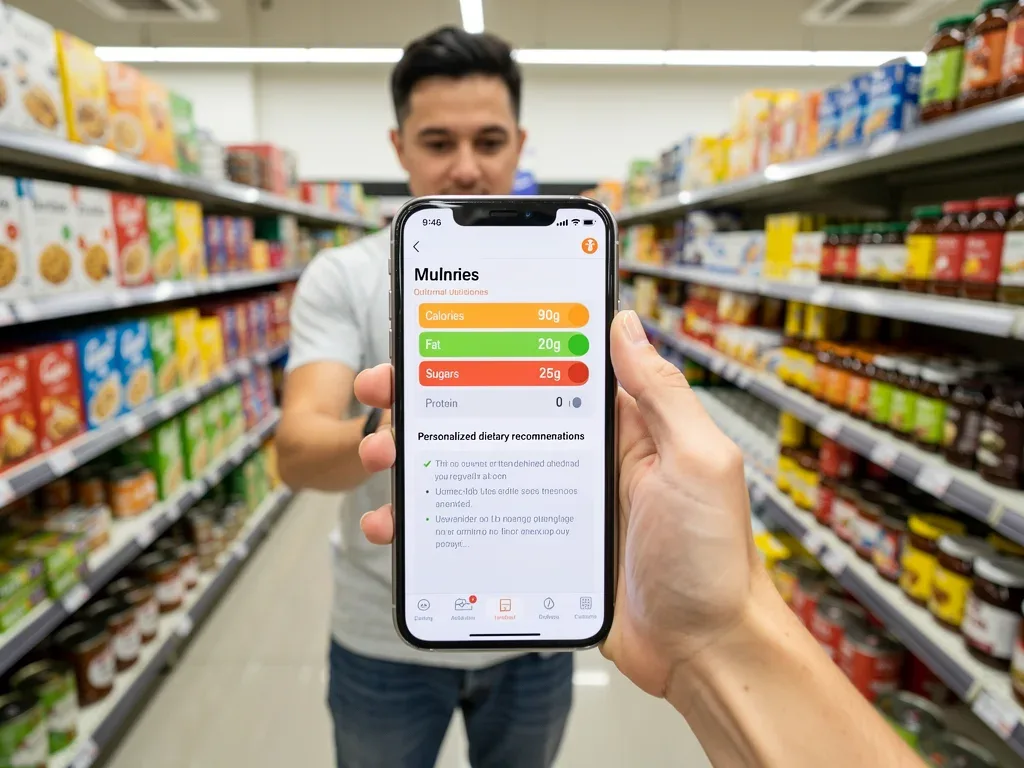
Personalized nutrition tracking, driven by AI scanner apps, empowers 38% of wellness shoppers in the US to meticulously filter supermarket purchases, aligning with individual health goals and dietary needs.
The landscape of grocery shopping is undergoing a significant transformation, driven by a growing desire for healthier lifestyles and technological innovation. Among these shifts, personalized nutrition tracking has emerged as a pivotal tool, empowering consumers to make informed dietary choices. A striking 38% of wellness shoppers in the United States are now leveraging AI scanner apps to filter supermarket purchases, fundamentally changing how they interact with food products and what ends up in their carts. This trend signifies a monumental move towards a more data-driven and individual-centric approach to health and wellness, moving beyond generic dietary advice to highly tailored recommendations.
The Rise of AI in Personalized Nutrition
The integration of Artificial Intelligence into our daily lives is undeniable, and its application in nutrition and health is particularly impactful. AI-powered scanner apps are no longer futuristic concepts; they are practical tools helping millions of Americans navigate complex food labels and ingredient lists with unprecedented ease.
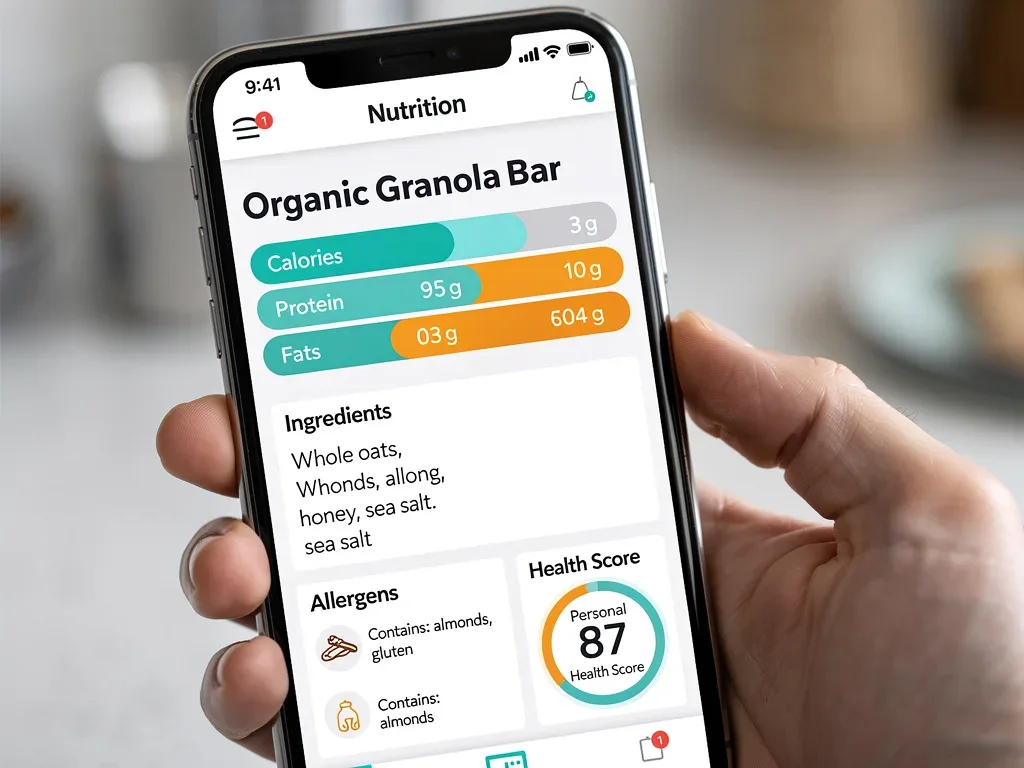
These sophisticated applications utilize machine learning algorithms to analyze product barcodes, instantly providing users with a wealth of information. This includes not just standard nutritional facts, but also allergen warnings, ingredient breakdowns, and even personalized health scores based on individual dietary preferences, restrictions, and health goals. This immediate access to tailored information at the point of purchase is a game-changer for anyone committed to a specific diet or managing health conditions.
Understanding the Technology Behind AI Scanner Apps
AI scanner apps function by cross-referencing scanned product data with vast databases of nutritional information and user-defined profiles. When a shopper scans a barcode, the app quickly identifies the product and pulls up relevant data. This data is then filtered and presented in a way that is meaningful to the individual user, highlighting aspects like sugar content for a diabetic, gluten for someone with celiac disease, or protein levels for an athlete.
- Data Integration: Apps connect to extensive food databases, including USDA and proprietary sources.
- Personalized Profiles: Users input dietary preferences, allergies, health goals, and medical conditions.
- Real-time Analysis: AI algorithms process product data against user profiles instantly.
- Actionable Insights: Provides clear recommendations, warnings, and alternatives.
The power of these apps lies in their ability to provide immediate, actionable insights, turning a potentially overwhelming task of deciphering food labels into a streamlined, efficient process. This technological leap is enabling a more proactive and informed approach to healthy eating.
Who are the Wellness Shoppers Driving This Trend?
The 38% of wellness shoppers embracing AI scanner apps represent a diverse yet distinct segment of the consumer market. These are individuals who are highly health-conscious, proactive about their well-being, and often have specific dietary needs or goals. They are not merely looking for healthy food; they are seeking optimal nutrition tailored to their unique physiology and lifestyle.
This demographic includes individuals managing chronic conditions like diabetes or heart disease, those with food allergies or intolerances, athletes focused on performance nutrition, and a broader group of consumers simply striving for a healthier, more balanced diet. They are typically tech-savvy and comfortable integrating digital tools into their daily routines. Their commitment to wellness extends beyond passive interest, driving them to actively seek out and utilize resources that support their health objectives.
These shoppers are often early adopters of health technologies and are willing to invest time and effort into understanding what they consume. They value transparency in food labeling and are often skeptical of marketing claims, preferring data-driven evidence. Their influence is significant, as their purchasing patterns often dictate future product development and marketing strategies within the food industry.
Motivations Behind Adoption
Several key factors motivate wellness shoppers to adopt AI scanner apps for their personalized nutrition tracking needs. The primary driver is the desire for greater control and transparency over their food choices. In an era of complex food processing and often misleading labeling, these apps offer a beacon of clarity.
- Allergen Avoidance: Crucial for individuals with severe food allergies to quickly identify safe products.
- Dietary Adherence: Helps maintain strict diets like keto, vegan, gluten-free, or low-carb.
- Health Management: Supports individuals managing conditions such as diabetes (sugar tracking) or hypertension (sodium tracking).
- Optimized Performance: Athletes use it to track macros and micronutrients for peak physical condition.
Beyond these specific needs, there's a general trend towards preventative health and a holistic approach to well-being. Consumers are increasingly aware of the long-term impact of diet on health and are using technology to empower themselves in this journey. The convenience and efficiency offered by these apps further solidify their appeal among this discerning group.
Filtering Supermarket Purchases: A New Shopping Experience
The act of grocery shopping, once a relatively straightforward task, has evolved into a highly analytical process for many. With AI scanner apps, filtering supermarket purchases is no longer about simply checking off a list; it's about making deliberate, health-aligned decisions in real-time. This transforms the entire shopping experience, making it more efficient and purpose-driven.
Imagine walking down an aisle, scanning items, and instantly knowing if they fit your low-sodium diet, are free of a specific allergen, or align with your caloric goals for the day. This level of immediate feedback drastically reduces the time and mental effort previously required to scrutinize every label. It also minimizes the risk of inadvertently purchasing an item that conflicts with one's dietary requirements, thereby enhancing food safety and peace of mind.
Impact on Product Discovery and Brand Loyalty
AI scanner apps not only help filter out undesirable products but also introduce shoppers to new alternatives that meet their specific criteria. If a preferred brand doesn't align with their personalized nutrition tracking goals, the app can suggest healthier substitutes, potentially leading to new brand loyalties.
This dynamic creates a competitive environment for food manufacturers, encouraging them to be more transparent about ingredients and to innovate with healthier product formulations. Brands that cater to specific dietary needs and make their nutritional information easily accessible are likely to gain favor with this segment of wellness shoppers. The apps are effectively democratizing nutritional information, shifting power to the consumer.
The ability to filter purchases also extends to comparative analysis. Shoppers can quickly compare similar products side-by-side, assessing their nutritional value relative to price and personal health objectives. This fosters a more informed consumer base that demands value not just in cost, but in health benefits as well. The shopping cart becomes a curated collection of items perfectly aligned with individual wellness philosophies.
Challenges and Considerations for AI Nutrition Apps
While the benefits of AI scanner apps for personalized nutrition tracking are substantial, their widespread adoption and continued efficacy are not without challenges. These challenges span from data accuracy and privacy concerns to user accessibility and the constant evolution of dietary science.
One primary concern revolves around the accuracy and completeness of the nutritional databases that these apps rely on. Food product formulations can change, and not all products may be immediately updated in every database. This can lead to discrepancies and potentially incorrect information being presented to the user. Ensuring real-time data synchronization and robust verification processes is crucial for maintaining user trust.
Data Privacy and Security
As users input highly personal health information and dietary restrictions into these apps, data privacy and security become paramount. Users need assurances that their sensitive data is protected from breaches and misuse. Developers must adhere to strict data protection regulations and clearly communicate their privacy policies.
- Data Protection: Ensuring sensitive health and dietary information is securely stored and protected.
- Transparency: Clear communication about how user data is collected, used, and shared.
- User Control: Empowering users to manage and delete their personal data as they see fit.
- Ethical AI Use: Preventing discriminatory practices or biased recommendations based on user data.
Furthermore, accessibility is another consideration. While many apps are user-friendly, there may be a digital divide preventing some demographics from fully utilizing these tools. Educational initiatives and simpler interfaces could help bridge this gap. The dynamic nature of nutrition science also means apps must constantly update their algorithms and recommendations to reflect the latest research and guidelines, avoiding outdated advice.
The Future of Personalized Nutrition Tracking
The trajectory for personalized nutrition tracking, especially with AI scanner apps, points towards even greater sophistication and integration into daily life. As technology advances, we can expect these tools to become even more intuitive, comprehensive, and seamlessly woven into the consumer experience. The future promises a truly hyper-personalized approach to diet and health, moving beyond mere scanning to predictive and preventative nutrition.
Imagine apps that not only tell you what's in your food but also how it might interact with your specific microbiome, based on genetic data. This level of integration, while still in its nascent stages, is the logical next step. Wearable technology will likely play a more significant role, providing real-time physiological data that AI apps can incorporate to offer even more precise dietary recommendations, adjusting for activity levels, stress, and sleep patterns.
Enhanced Integration and Predictive Capabilities
Future AI nutrition apps could integrate with online grocery platforms, allowing users to pre-filter their entire virtual shopping cart before even stepping foot in a store. They might also offer meal planning services that automatically generate recipes based on scanned pantry items and personalized dietary goals, minimizing food waste and maximizing nutritional intake.
- Genomic Integration: Tailoring diet based on individual genetic predispositions.
- Microbiome Analysis: Recommending foods that support a healthy gut flora.
- Wearable Sync: Adjusting nutrition plans based on real-time activity and health metrics.
- Smart Kitchen Appliances: Connecting with smart refrigerators and ovens for automated meal prep.
The continuous learning capabilities of AI will allow these apps to become increasingly adept at understanding individual responses to different foods, leading to highly customized dietary advice that evolves with the user's health journey. This adaptive and predictive capacity will solidify the role of personalized nutrition tracking as a cornerstone of modern wellness.
Impact on the Food Industry and Retailers
The growing adoption of personalized nutrition tracking through AI scanner apps is sending ripples across the food industry and retail sectors. Manufacturers and supermarkets are beginning to recognize the profound shift in consumer behavior and are adapting their strategies to meet the demands of these informed shoppers. This trend is not just about technology; it's about a fundamental change in how food is produced, marketed, and sold.
Food manufacturers are facing increased pressure to provide clearer, more transparent labeling and to develop products that cater to a wider array of dietary restrictions and preferences. This means innovating with ingredients, reducing additives, and offering more plant-based, allergen-friendly, and nutrient-dense options. Brands that proactively embrace these changes and are transparent about their product formulations will likely gain a competitive edge.
Retailer Adaptations and Opportunities
Supermarkets and grocery retailers are also responding by rethinking store layouts, product placements, and customer service. We might see dedicated sections for specific dietary needs, improved in-store signage highlighting key nutritional attributes, and even integration of AI scanning technology directly into store apps or smart shopping carts.

- Product Transparency: Demand for clear and accurate ingredient and nutritional information.
- Innovation in Offerings: Increased focus on healthier, allergen-free, and diet-specific products.
- Retailer Integration: Potential for in-store AI scanning tools and personalized recommendations.
- Marketing Shifts: Moving from broad appeals to targeted health and wellness messaging.
Furthermore, retailers have an opportunity to partner with popular AI nutrition apps, offering exclusive deals or curated product lists based on user profiles. This collaboration could create a more personalized and efficient shopping experience, fostering greater customer loyalty. The industry is moving towards a future where data-driven insights from personalized nutrition tracking will shape every aspect of the food supply chain, from farm to table.
Empowering Healthier Choices: A Societal Shift
The phenomenon of personalized nutrition tracking, driven by AI scanner apps, transcends individual consumer behavior; it represents a significant societal shift towards greater health autonomy and preventative care. When 38% of wellness shoppers actively use these tools, it signals a collective desire for a more informed and empowered approach to health, with far-reaching implications for public health and education.
This movement encourages a deeper understanding of food and its impact on the body, moving away from generic dietary advice towards highly individualized strategies. It can lead to a reduction in diet-related illnesses, improved management of chronic conditions, and an overall enhancement of public well-being. The educational aspect of these apps is particularly powerful, teaching users about ingredients, nutritional values, and the science behind healthy eating in an accessible format.
Broader Public Health Implications
From a public health perspective, the widespread adoption of personalized nutrition tracking can contribute to a more health-literate population. As more people understand the specific nutritional needs of their bodies, they are better equipped to make choices that support long-term health, potentially reducing healthcare burdens and promoting a more vibrant society.
- Increased Health Literacy: Consumers gain a deeper understanding of food and nutrition.
- Reduced Diet-Related Illnesses: Better food choices can mitigate chronic health issues.
- Personalized Public Health Campaigns: Future campaigns could leverage this data for more targeted interventions.
- Ethical Food System: Driving demand for more responsibly sourced and healthier food options.
The societal shift towards personalized nutrition is not just about individual convenience; it's about building a future where informed dietary choices are the norm, supported by intelligent technology that adapts to our unique needs. This evolution promises a healthier, more resilient populace, armed with the knowledge and tools to navigate the complexities of modern food systems effectively.
| Key Aspect | Brief Description |
|---|---|
| AI Scanner Apps | Tools that analyze product barcodes for instant, personalized nutritional insights based on user profiles. |
| Wellness Shoppers | Health-conscious consumers who proactively use technology like AI apps for informed dietary choices. |
| Personalized Nutrition | Tailoring dietary recommendations to individual health goals, allergies, and genetic predispositions. |
| Market Impact | Drives transparency, innovation in food products, and new strategies for retailers and manufacturers. |
Frequently Asked Questions About Personalized Nutrition Tracking
What is personalized nutrition tracking?▼Personalized nutrition tracking involves using technology, often AI-powered apps, to monitor and tailor dietary intake based on an individual's specific health goals, dietary restrictions, allergies, and even genetic makeup. It moves beyond general dietary advice to provide highly specific recommendations.
How do AI scanner apps help filter supermarket purchases?▼AI scanner apps allow users to scan product barcodes to instantly access detailed nutritional information. They compare this data against the user's personalized profile, highlighting allergens, unsuitable ingredients, and providing health scores, enabling informed purchasing decisions in real-time.
What percentage of wellness shoppers use these apps?▼According to recent trends, a significant 38% of wellness shoppers in the United States are actively utilizing AI scanner apps to filter their supermarket purchases. This indicates a strong and growing adoption rate among health-conscious consumers seeking tailored nutritional guidance.
What are the main benefits of using AI nutrition apps?▼The key benefits include enhanced transparency in food choices, easier management of dietary restrictions and allergies, support for specific health goals, and overall empowerment for healthier eating. They simplify complex nutritional information into actionable insights for users.
Are there any concerns with using personalized nutrition apps?▼Concerns primarily revolve around data accuracy, as product formulations change, and ensuring robust data privacy and security for personal health information. Developers must prioritize up-to-date databases and transparent privacy policies to maintain user trust and efficacy.
Conclusion
The integration of AI scanner apps into the daily routines of wellness shoppers marks a pivotal moment in the evolution of personalized nutrition tracking. With 38% of health-conscious consumers in the US now actively leveraging these tools to filter their supermarket purchases, the impact on individual health, the food industry, and broader public health is undeniable. This trend underscores a powerful shift towards informed decision-making, where technology empowers individuals to take precise control over their dietary intake. As AI continues to advance, we can anticipate even more sophisticated, integrated, and predictive nutrition solutions, further solidifying personalized nutrition as a cornerstone of modern wellness and a driving force behind healthier societal choices.
