Why 45% of Shoppers Choose Premium Private Labels
Advertisements
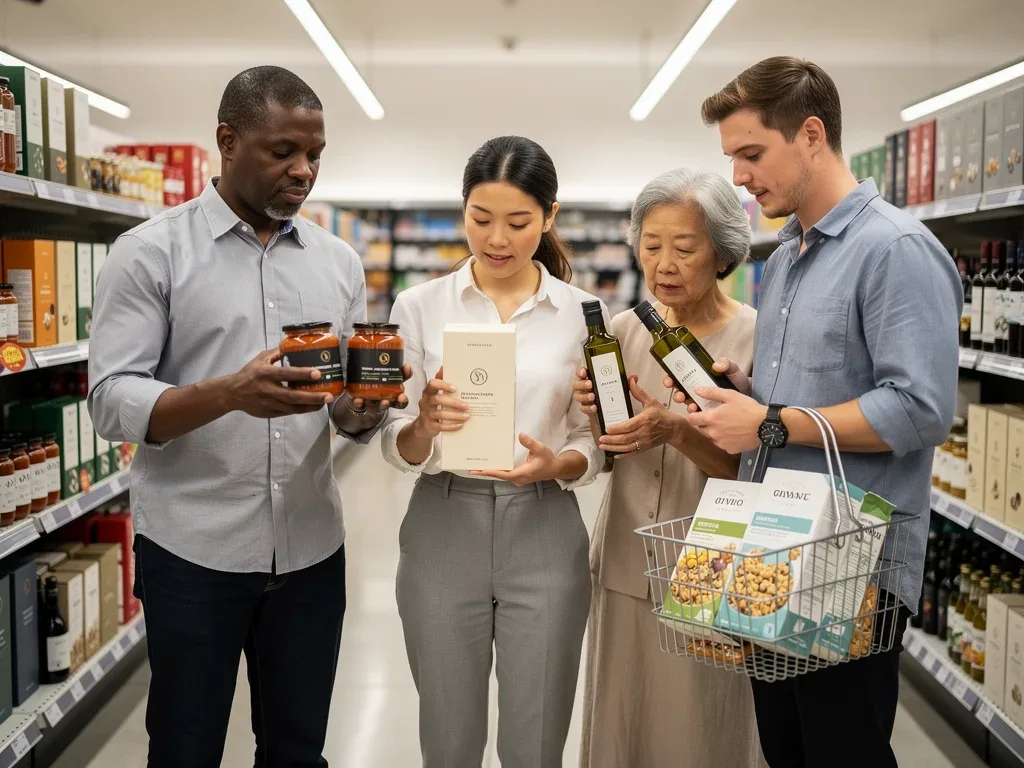
By 2026, 45% of grocery shoppers are permanently swapping brand names for premium private labels due to enhanced quality, perceived value, and a shift in consumer trust.
The grocery landscape is undergoing a profound transformation, with a significant shift in consumer allegiance. By 2026, a remarkable 45% of grocery shoppers are permanently swapping brand names for premium private labels. This isn't just a fleeting trend; it represents a fundamental reevaluation of value, quality, and trust in the minds of American consumers. What exactly is driving this seismic change, and what does it mean for the future of retail?
The Shifting Sands of Consumer Trust and Perception
For decades, national brands held an almost unshakeable dominance in grocery stores, often perceived as the gold standard for quality and reliability. However, recent years have witnessed a significant erosion of this automatic trust. Economic pressures, coupled with a growing desire for transparency and authenticity, have led consumers to look beyond traditional branding. Premium private labels have skillfully capitalized on this shift, offering products that not only compete on price but often surpass national brands in perceived quality and innovation.
Consumers are no longer equating a higher price tag with superior quality. Instead, they are actively seeking out products that deliver on their promises, regardless of the brand name. This evolving perception is a critical factor in the growing preference for private labels, as retailers invest heavily in product development and quality control to build their own reputable brands.
Economic Imperatives and Value Proposition
The economic climate plays a crucial role in consumer purchasing decisions. While premium private labels might not always be the cheapest option on the shelf, they consistently offer a superior value proposition compared to their national brand counterparts. This isn't solely about price; it's about the perceived return on investment for the consumer's dollar.
- Cost Savings: Private labels inherently have lower marketing and distribution costs, allowing retailers to pass savings onto consumers without compromising quality.
- Enhanced Quality: Many premium private labels are now formulated with ingredients and production standards that rival or exceed national brands.
- Perceived Value: Shoppers feel they are getting more for their money when choosing a premium private label, fostering a sense of smart shopping.
The combination of economic prudence and an undeniable improvement in product quality has made premium private labels an increasingly attractive option for a broad spectrum of shoppers. They offer a compelling blend of affordability and excellence that resonates deeply with today's value-conscious consumer.
Innovation and Quality: Bridging the Gap
The days when private labels were synonymous with generic, lower-quality alternatives are long gone. Today, retailers are pouring substantial resources into research and development, creating premium private label lines that are innovative, high-quality, and often cater to specific consumer needs and dietary preferences. This commitment to excellence has been a game-changer, fundamentally altering consumer expectations.
From organic produce and gourmet ready-meals to specialty dietary products and eco-friendly cleaning supplies, premium private labels are leading the charge in many categories. They are not merely imitating national brands; they are often setting new benchmarks for taste, ingredients, and ethical sourcing. This proactive approach to innovation allows them to quickly adapt to emerging trends and consumer demands, often faster than larger, more bureaucratic national brands.
Retailer Investment in Brand Building
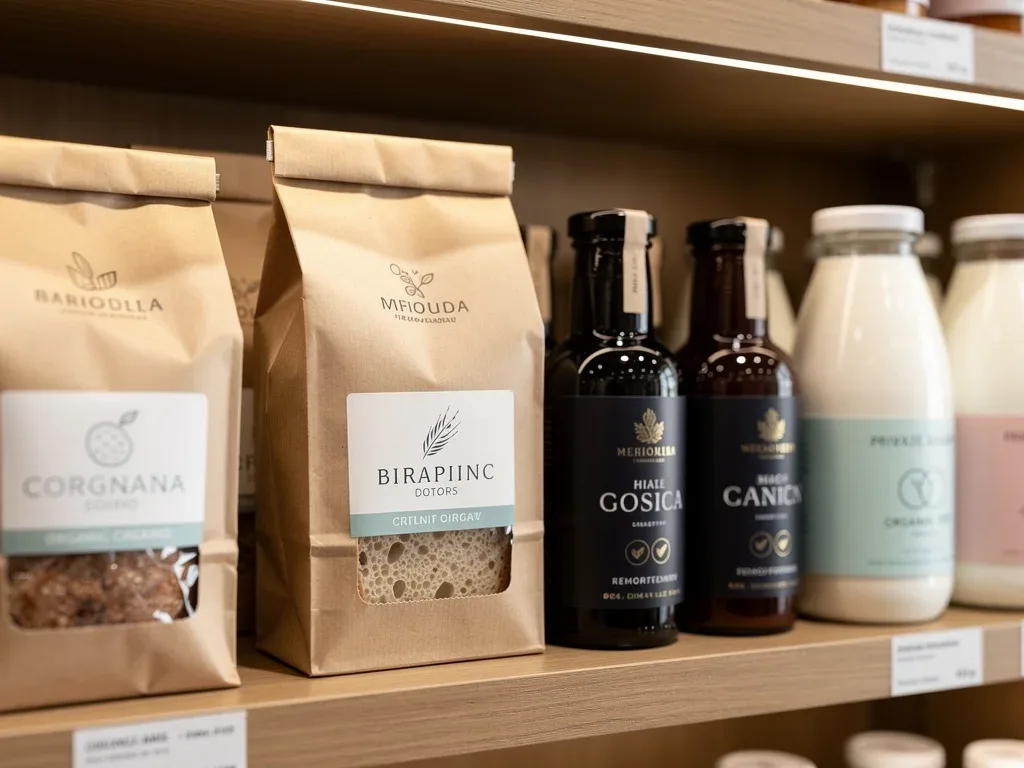
Retailers understand the immense potential of their own brands. They are no longer content to simply be distributors; they aspire to be brand owners. This shift is evident in the sophisticated marketing campaigns, sleek packaging designs, and rigorous quality assurance processes applied to their premium private labels.
- Dedicated Product Development Teams: Retailers employ expert food scientists and product developers to craft unique and appealing private label offerings.
- Strategic Sourcing: Emphasis is placed on sourcing high-quality ingredients and sustainable practices.
- Sophisticated Marketing: Private labels now feature branding and packaging that rival, and sometimes surpass, national brand aesthetics.
By treating their private labels as distinct brands, retailers are cultivating a loyal customer base that associates their store's name directly with quality and value. This direct relationship fosters trust and encourages repeat purchases, solidifying the position of premium private labels in the market.
The Influence of Millennials and Gen Z
Younger generations, particularly Millennials and Gen Z, are driving much of this shift towards premium private labels. These demographics are less swayed by traditional brand loyalty and more inclined to prioritize factors like authenticity, sustainability, and value. They are also highly adept at researching products and comparing options, often through digital channels, before making a purchase.
Unlike previous generations who grew up with national brands as the undisputed leaders, Millennials and Gen Z have come of age in an era of abundant choice and critical scrutiny. They are more open to experimenting with new brands and are less influenced by extensive advertising campaigns. Their purchasing decisions are often guided by peer reviews, social media recommendations, and a desire to align with brands that reflect their personal values.
Prioritizing Authenticity and Transparency
For younger consumers, transparency in sourcing, ingredients, and production practices is paramount. Premium private labels, often with their direct connection to the retailer, can offer a level of transparency that resonates with these values. They can communicate their stories more directly and build trust through clear labeling and ethical practices.
- Ethical Sourcing: Many private labels highlight their commitment to fair trade, organic, or locally sourced ingredients.
- Sustainability Initiatives: Environmentally friendly packaging and sustainable production methods are often key selling points.
- Health and Wellness Focus: A strong emphasis on natural ingredients, reduced sugar, and allergen-free options appeals to health-conscious consumers.
The alignment of premium private labels with the values of younger generations positions them strongly for continued growth. As these demographics gain more purchasing power, their preference for these brands will only accelerate the trend.
Retailer Strategies and Market Dominance
Retailers are not passively observing this trend; they are actively fueling it through sophisticated strategies aimed at enhancing their private label offerings and integrating them more deeply into their overall business model. This involves everything from product development and supply chain optimization to in-store placement and marketing.
Many major grocery chains now view their private labels not just as a complement to national brands, but as a core competitive advantage. They are leveraging their direct relationship with customers to gather insights, identify unmet needs, and develop products that precisely target those demands. This agile approach allows them to create a compelling and ever-evolving private label portfolio.
Building a Stronger Store Brand Ecosystem
The success of premium private labels is intrinsically linked to the overall strength and reputation of the retailer. When customers trust a particular grocery store, they are more likely to trust its own-brand products. This creates a virtuous cycle where high-quality private labels enhance the store's image, which in turn boosts private label sales.
- Exclusive Offerings: Private labels provide unique products that differentiate a store from its competitors.
- Increased Margins: Higher profit margins on private labels contribute significantly to a retailer's bottom line.
- Customer Loyalty: A strong private label program can foster deep customer loyalty, making shoppers less likely to switch stores.
By strategically investing in and promoting their private label lines, retailers are not only increasing profitability but also strengthening their brand identity and securing a more dominant position in the highly competitive grocery market.
The Future Landscape: What to Expect by 2026
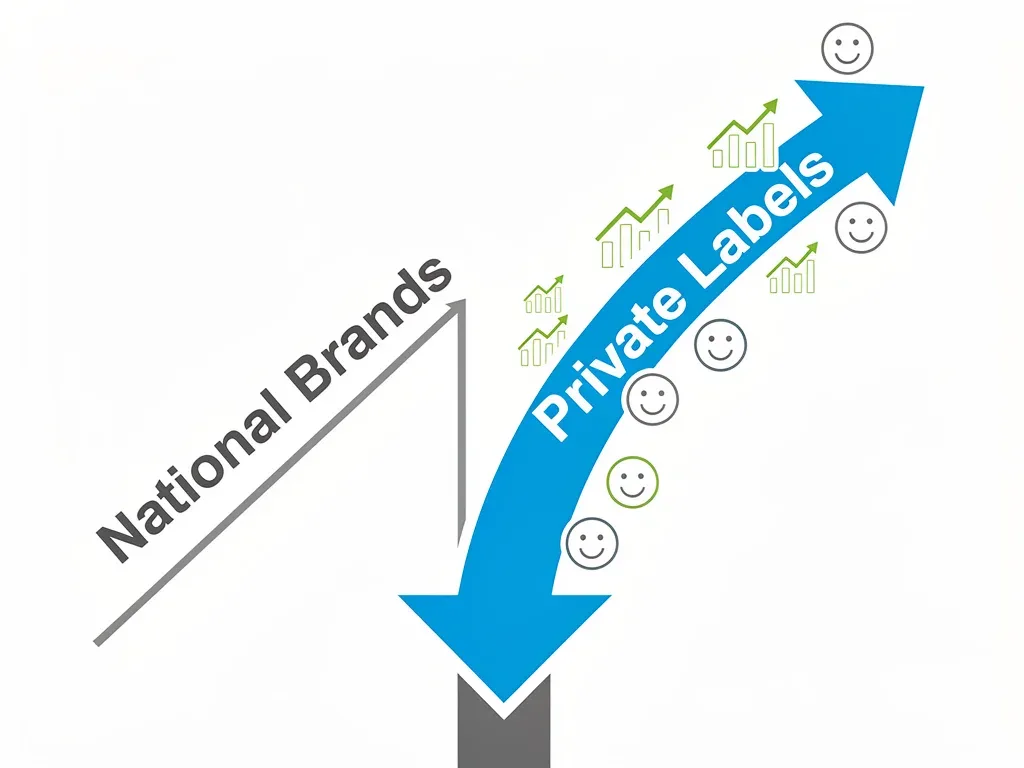
The projection that 45% of grocery shoppers will permanently switch to premium private labels by 2026 is a strong indicator of a sustained and deepening trend. This isn't a temporary blip; it's a fundamental recalibration of consumer priorities and market dynamics. By 2026, we can expect to see an even more sophisticated and diverse array of private label products on shelves, challenging national brands across nearly every category.
National brands will be forced to innovate more rapidly, offer greater transparency, and perhaps even adjust their pricing strategies to remain competitive. The market will become even more fragmented, with discerning consumers making choices based on a complex interplay of quality, value, ethics, and personal preference. The traditional power dynamic between national brands and private labels will be irrevocably altered.
Adaptation and Evolution for National Brands
To thrive in this evolving landscape, national brands will need to adapt their strategies significantly. Simply relying on decades of brand recognition will no longer be sufficient. They will need to re-engage with consumers on a deeper level, emphasizing unique selling propositions, sustainable practices, and genuine innovation.
- Focus on Niche Markets: Developing highly specialized products that private labels may not yet target.
- Enhanced Brand Storytelling: Communicating their unique heritage, values, and commitment to quality more effectively.
- Direct-to-Consumer Models: Exploring new distribution channels to bypass traditional retail competition.
The competitive pressure from premium private labels will push the entire industry towards higher standards of quality, value, and ethical responsibility, ultimately benefiting the consumer.
Challenges and Opportunities for Private Labels
While the outlook for premium private labels is overwhelmingly positive, they are not without their challenges. Maintaining consistent quality across a vast product range, managing complex supply chains, and continuing to innovate at a rapid pace will be crucial. However, these challenges also present significant opportunities for growth and further market penetration.
The ability of private labels to quickly respond to consumer feedback and market trends gives them a distinct advantage. As they gain more market share, they will also gain greater bargaining power with suppliers, potentially leading to even better pricing and ingredient sourcing. This allows for a continuous cycle of improvement and expansion, solidifying their position as a formidable force in the grocery sector.
Sustaining Growth and Innovation
The key to long-term success for premium private labels lies in their ability to sustain their current momentum. This means continuous investment in product development, a keen eye on emerging consumer preferences, and an unwavering commitment to quality. The market is dynamic, and what is considered premium today may be standard tomorrow.
- Continuous Market Research: Staying ahead of trends and understanding evolving consumer needs.
- Supply Chain Resilience: Building robust and ethical supply chains to ensure consistency and availability.
- Strategic Partnerships: Collaborating with producers and innovators to bring cutting-edge products to market.
By addressing these aspects proactively, premium private labels can ensure their continued growth and solidify their permanent place in the grocery baskets of nearly half of all shoppers.
| Key Trend | Brief Description |
|---|---|
| Consumer Trust Shift | Shoppers increasingly trust private labels over national brands for quality and value. |
| Quality & Innovation | Private labels now rival or exceed national brands in product quality and new offerings. |
| Generational Influence | Millennials and Gen Z prioritize value, authenticity, and sustainability, favoring private labels. |
| Retailer Strategy | Retailers actively invest in and promote private labels as core competitive advantages. |
Frequently Asked Questions About Private Labels
Why are so many shoppers switching to premium private labels?▼Shoppers are switching due to increased perceived value, enhanced product quality that often rivals national brands, and a growing trust in retailer-owned brands. Economic factors and a desire for transparency also play significant roles in this transition.
What distinguishes 'premium' private labels from traditional ones?▼Premium private labels focus on higher-quality ingredients, innovative formulations, sophisticated packaging, and often cater to specific consumer preferences like organic, gourmet, or dietary needs, moving beyond basic generic options.
How do retailers benefit from the growth of private labels?▼Retailers benefit from higher profit margins on private label sales, increased customer loyalty, and the ability to differentiate their stores with exclusive products. It also gives them greater control over product development and supply chains.
Will national brands disappear because of private label growth?▼National brands are unlikely to disappear but will need to adapt significantly. They must innovate, focus on unique selling propositions, and build stronger connections with consumers to compete effectively in this evolving market landscape.
What role do younger generations play in this trend?▼Millennials and Gen Z are key drivers. They prioritize authenticity, sustainability, and value over traditional brand loyalty, making them more open to exploring and adopting premium private labels that align with their values and expectations.
Conclusion
The projected shift of 45% of grocery shoppers permanently embracing premium private labels by 2026 is a clear signal of a fundamental change in consumer behavior and market dynamics. Driven by a quest for value, a demand for quality, and a re-evaluation of trust, shoppers are increasingly finding that private labels offer a compelling alternative to established national brands. Retailers, by investing heavily in innovation and strategic branding, are not just responding to this trend but actively shaping it, creating a future where their own brands are at the forefront of consumer choice. This evolution promises a more competitive, diverse, and consumer-centric grocery landscape for years to come.
