Re-Commerce Boom: Reshaping US Apparel Shopping by 2026
Advertisements
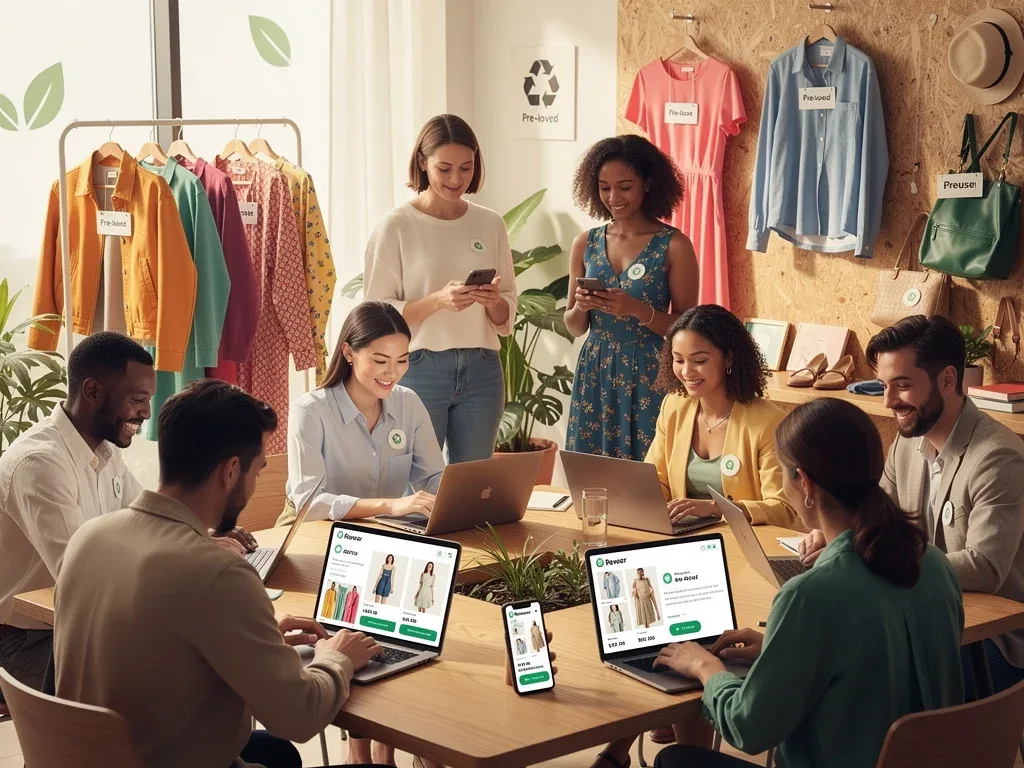
The remarkable 42% surge in re-commerce platforms is profoundly transforming American apparel shopping habits by 2026, as consumers increasingly prioritize sustainable choices, value, and unique fashion finds over traditional retail.
The landscape of American retail is undergoing a significant metamorphosis, with a monumental shift towards sustainable consumption. By 2026, the re-commerce apparel shopping sector is projected to have surged by an astounding 42%, fundamentally altering how consumers interact with fashion. This isn't merely a trend; it's a profound re-evaluation of value, environmental impact, and personal style.
The Ascent of Re-Commerce: A New Paradigm in Retail
The rapid expansion of re-commerce platforms marks a pivotal moment in the retail industry. What was once a niche market for thrifters and bargain hunters has blossomed into a mainstream phenomenon, attracting a broad demographic of consumers seeking both economic and ecological benefits. This shift is driven by a confluence of factors, including increased environmental awareness, the pursuit of unique styles, and the desire for greater affordability.
Consumers are no longer solely focused on buying new; they are actively participating in a circular economy, extending the life cycle of clothing and reducing textile waste. This paradigm shift challenges traditional fast fashion models, pushing brands to reconsider their production and consumption strategies. The convenience and accessibility offered by modern re-commerce platforms have made it easier than ever for individuals to buy and sell pre-owned items, fostering a vibrant and dynamic marketplace.
Driving Forces Behind the Re-Commerce Revolution
Several key elements are fueling the re-commerce boom, transforming it from an alternative into a dominant force in apparel retail.
- Sustainability Concerns: Growing awareness of fashion's environmental footprint, including water usage, carbon emissions, and landfill waste, motivates consumers to seek more eco-friendly options.
- Economic Value: Shoppers can acquire high-quality, often designer, items at a fraction of their original price, making fashion more accessible and budget-friendly.
- Unique Style Expression: Re-commerce platforms offer a vast, ever-changing inventory of distinctive pieces, allowing consumers to cultivate personal styles that stand out from mass-produced trends.
- Digital Convenience: User-friendly apps and websites make browsing, buying, and selling pre-owned apparel as easy as traditional online shopping, often with integrated shipping and payment solutions.
The collective impact of these drivers has created a robust ecosystem where consumers are empowered to make more conscious and economically savvy choices. This evolution is not just about saving money; it's about making a statement about personal values and contributing to a more sustainable future for fashion.
Sustainability at the Forefront: Ethical Consumption Drives Growth
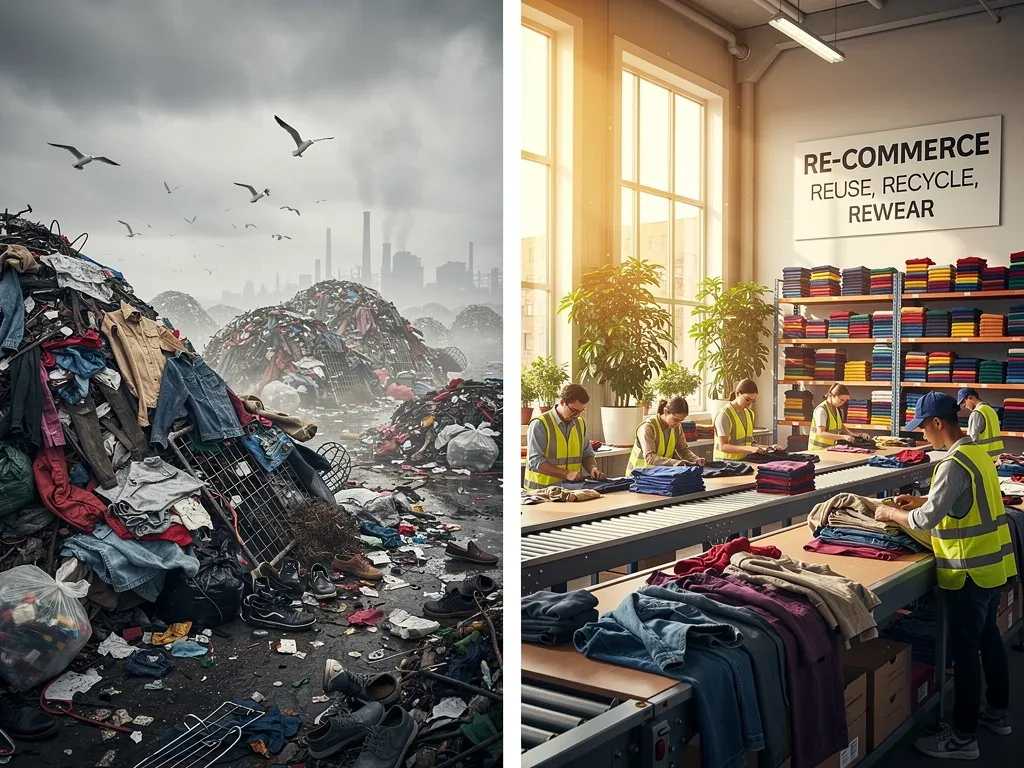
The environmental imperative has become a cornerstone of the re-commerce movement, with consumers increasingly prioritizing ethical consumption. Fast fashion's environmental toll, from excessive resource depletion to massive textile waste, has spurred a conscious shift towards more sustainable alternatives. Re-commerce platforms offer a tangible solution, allowing clothing to find second, third, or even fourth lives, thereby reducing the demand for new production and mitigating ecological damage.
This growing environmental consciousness is evident across various demographics, particularly among younger generations who are more attuned to climate change and social responsibility. They are actively seeking ways to align their purchasing habits with their values, making re-commerce an attractive and logical choice. The narrative around fashion is changing from disposable trends to enduring value and mindful consumption.
Reducing Fashion's Environmental Footprint
Re-commerce directly addresses several critical environmental issues associated with the apparel industry.
- Waste Reduction: By keeping clothes out of landfills, re-commerce significantly reduces textile waste, which is a major contributor to pollution.
- Resource Conservation: Extending the lifespan of garments lessens the need for new raw materials, water, and energy required for manufacturing.
- Lower Carbon Emissions: Producing fewer new items means a reduction in greenhouse gas emissions associated with manufacturing and transportation.
The ethical dimension of re-commerce extends beyond environmental concerns to include labor practices. Many consumers are wary of the exploitative labor conditions often associated with fast fashion production. By choosing pre-owned items, they can indirectly support a system that values existing resources over unchecked new production, promoting a more equitable supply chain.
Economic Empowerment: Value and Affordability in Focus
Beyond its environmental benefits, the economic appeal of re-commerce is a powerful catalyst for its growth. In an era where economic uncertainty can influence consumer spending, re-commerce platforms provide an invaluable avenue for both saving money and generating income. Consumers can access high-quality, sometimes luxury, items at significantly reduced prices, making desirable fashion more attainable.
This affordability factor is particularly appealing to budget-conscious shoppers, students, and those looking to refresh their wardrobes without breaking the bank. The ability to resell items also adds a layer of financial empowerment, transforming unused clothing into disposable income. This dual benefit of saving and earning creates a compelling proposition for a wide array of consumers.
Unlocking Value in Pre-Owned Goods
The economic model of re-commerce creates value in several ways:
- Cost Savings: Shoppers can purchase branded or high-quality apparel for a fraction of its original retail price.
- Income Generation: Sellers can monetize their unwanted clothing, turning clutter into cash and contributing to their household budgets.
- Smart Investment: Certain pre-owned items, especially vintage or designer pieces, can appreciate in value, offering a unique investment opportunity for fashion enthusiasts.
The transparency of pricing and the ease of transaction on many re-commerce platforms further enhance their economic attractiveness. Detailed descriptions, multiple photos, and buyer/seller ratings build trust, making the buying and selling process secure and straightforward. This economic accessibility is democratizing fashion, allowing more people to participate in trends and quality apparel ownership.
Technological Innovation: The Digital Backbone of Re-Commerce
The exponential rise of re-commerce platforms would not be possible without significant advancements in technology. Modern platforms leverage sophisticated algorithms, artificial intelligence, and user-friendly interfaces to create seamless and engaging experiences for buyers and sellers alike. From intuitive search filters to personalized recommendations, technology has transformed the act of buying and selling pre-owned clothes into a sophisticated digital interaction.
Mobile applications have played a crucial role, making re-commerce accessible anytime, anywhere. High-quality imagery, secure payment gateways, and integrated shipping solutions have streamlined the entire process, removing friction points that might have deterred consumers in the past. These technological innovations have elevated re-commerce from a cumbersome, often manual process to a highly efficient and enjoyable digital experience.
Key Technological Enablers
Several technological elements are pivotal to re-commerce's success:
- AI-Powered Personalization: Algorithms learn user preferences to recommend relevant items, enhancing discovery and buyer satisfaction.
- Advanced Image Recognition: Helps sellers quickly list items by automatically identifying brands, types, and even suggest pricing.
- Secure Payment Systems: Ensures safe and reliable transactions for both parties, building trust in the platform.
- Logistics Integration: Seamless shipping labels and tracking make the fulfillment process effortless for individual sellers.
The continuous evolution of these technologies promises even more refined and efficient re-commerce experiences in the future, further solidifying its position as a dominant retail channel. The ease of use and sophisticated features mean that even those new to online selling can quickly become proficient participants in the circular fashion economy.
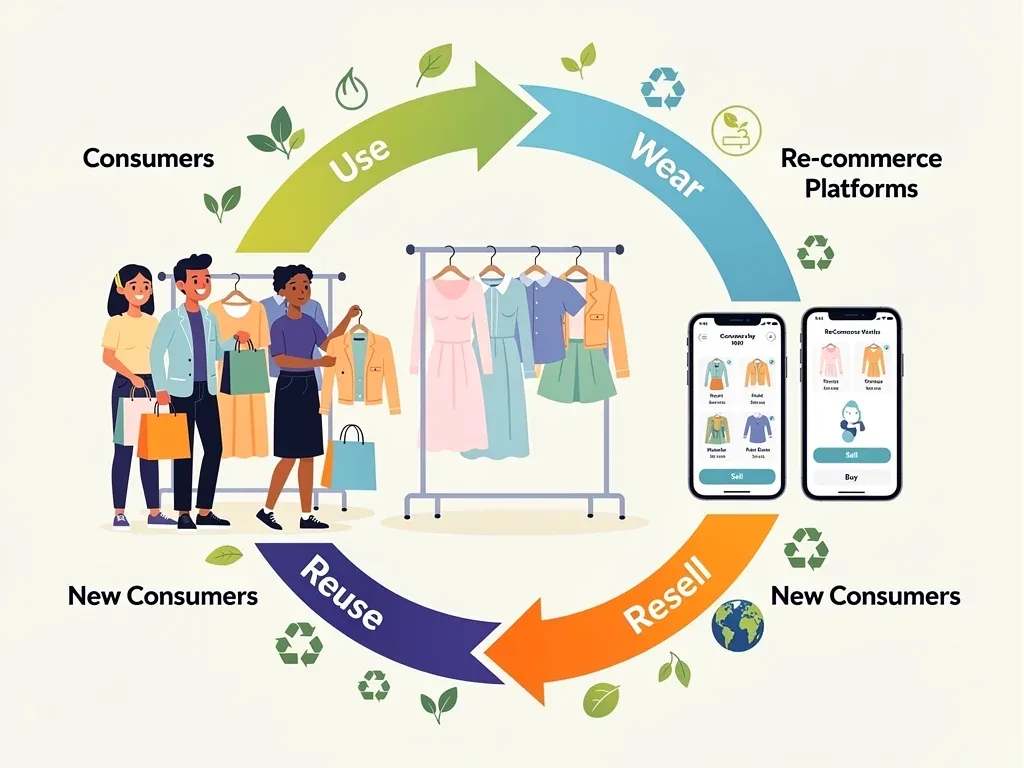
Shifting Consumer Behavior: From Ownership to Access
The surge in re-commerce platforms signifies a fundamental shift in consumer behavior, moving away from a traditional ownership model towards one of access and responsible consumption. Consumers are increasingly valuing the experience of using an item rather than the sole act of owning it new. This shift is particularly pronounced among younger demographics who are comfortable with sharing economies and prioritize experiences over possessions.
The appeal of constantly refreshing one's wardrobe without the financial or environmental burden of new purchases is a powerful motivator. This behavioral change is also fueled by a desire for individuality and a rejection of fast fashion's homogenized trends. Re-commerce allows for greater experimentation with style and the discovery of unique pieces that express personal identity more authentically.
The Psychology of Secondhand Shopping
Several psychological factors contribute to the growing appeal of secondhand shopping:
- Thrill of the Hunt: The excitement of discovering a unique or rare item at a great price.
- Sense of Responsibility: Feeling good about making an environmentally conscious choice.
- Financial Savvy: The satisfaction of making smart economic decisions.
- Personal Expression: Curating a unique wardrobe that reflects individual style rather than mass trends.
This evolving mindset is not just about saving money; it's about participating in a movement that aligns with broader societal values of sustainability, community, and conscious living. The psychological rewards of re-commerce extend beyond the transaction itself, fostering a sense of purpose and connection.
The Future Outlook: Mainstream Integration and Brand Adaptation
Looking ahead to 2026 and beyond, the re-commerce sector is poised for even greater mainstream integration. What began as a disruptive force is now becoming an integral part of the apparel retail ecosystem. Traditional brands and retailers, initially hesitant, are now actively exploring and implementing their own re-commerce strategies, recognizing the immense market potential and the growing consumer demand for sustainable options.
This adaptation takes various forms, from partnering with existing re-commerce platforms to launching proprietary take-back programs and dedicated resale sections. The future of apparel shopping will likely be a hybrid model, where new and pre-owned coexist, offering consumers a wider array of choices that cater to their diverse needs and values. The industry is moving towards a more circular and resilient model, with re-commerce at its core.
Challenges and Opportunities for Growth
While the trajectory for re-commerce is upward, there are still challenges and opportunities to navigate.
- Quality Control: Ensuring consistent quality and authenticity of items remains a key focus for platforms.
- Scalability: Managing the logistics of a rapidly expanding inventory and user base requires continuous innovation.
- Brand Integration: Convincing more traditional brands to fully embrace re-commerce models presents a significant opportunity.
- Consumer Education: Further educating consumers on the benefits and processes of re-commerce can accelerate adoption.
The continuous innovation in technology, coupled with a deepening commitment to sustainability from both consumers and brands, will undoubtedly propel re-commerce into an even more prominent role in the years to come. The industry is not just growing; it's fundamentally evolving, setting new standards for how we consume fashion.
Re-Commerce and the American Consumer Identity
The rise of re-commerce is not just about transactions; it's about redefining the American consumer identity. There's a tangible shift from conspicuous consumption to conscious consumption, where value is measured not only by price but also by ethical and environmental impact. This new identity embraces individuality, resourcefulness, and a sense of global responsibility. Consumers are becoming more discerning, asking critical questions about where their clothes come from, how they are made, and what happens to them after use.
This evolving identity is reflected in the increasing popularity of vintage and unique items, a rejection of fast-fashion uniformity, and a celebration of personal style that doesn't rely on constant new purchases. Re-commerce platforms facilitate this self-expression, offering a curated selection that allows individuals to tell their own stories through their clothing. It's a move towards a more authentic and sustainable relationship with fashion.
Redefining Fashion Norms
The re-commerce movement is actively challenging and reshaping long-held fashion norms:
- Challenging 'New is Best': Breaking down the stigma associated with pre-owned items, making secondhand chic and desirable.
- Promoting Longevity: Encouraging the appreciation of well-made, durable garments over disposable fashion.
- Democratizing Style: Making high-end or unique fashion accessible to a broader audience, fostering inclusivity.
- Fostering Creativity: Inspiring consumers to mix and match styles, creating unique looks from diverse sources.
This cultural shift is profound, impacting not just purchasing habits but also how consumers perceive themselves and their role in the broader fashion ecosystem. The American consumer is becoming a more active participant in shaping a sustainable and expressive future for apparel.
Navigating the Evolving Retail Landscape
The dramatic 42% rise in re-commerce platforms is undeniably reshaping the American apparel retail landscape. This transformation necessitates a strategic pivot for traditional retailers, who must now adapt to a market that increasingly values sustainability, affordability, and unique finds. Ignoring this shift is no longer an option; embracing it presents a pathway to relevance and growth in a rapidly changing consumer environment.
For consumers, this evolution offers unprecedented opportunities to engage with fashion in a more conscious and economically viable manner. The power dynamics are shifting, placing more emphasis on informed choices and responsible consumption. The future of apparel shopping in America will be characterized by a rich interplay between new and pre-owned, driven by a collective desire for a more sustainable and personalized fashion experience.
Strategies for Retailers in the Re-Commerce Era
Retailers must consider several strategies to thrive amidst the re-commerce boom:
- Launch Resale Programs: Implement their own take-back or resale initiatives to capture value from their products' secondary market.
- Collaborate with Platforms: Partner with established re-commerce platforms to expand their reach and offer sustainable options.
- Emphasize Durability: Focus on producing high-quality, long-lasting garments that hold their value in the resale market.
- Promote Circularity: Educate consumers on the benefits of circular fashion and how their brand contributes to it.
By understanding and responding to these evolving consumer preferences, retailers can not only survive but also thrive in this new era of apparel shopping. The integration of re-commerce into mainstream retail is not a threat but an opportunity for innovation and sustainable growth.
| Key Aspect | Brief Description |
|---|---|
| Growth Rate | 42% rise in re-commerce platforms reshaping US apparel shopping by 2026. |
| Key Drivers | Sustainability, economic value, unique style, and digital convenience. |
| Consumer Shift | Moving from ownership to access, prioritizing conscious and responsible consumption. |
| Retailer Adaptation | Brands are launching resale programs and collaborating with platforms. |
Frequently Asked Questions About Re-Commerce
What is re-commerce in the context of apparel?▼Re-commerce, or reverse commerce, refers to the selling of previously owned or used apparel through online platforms. It facilitates the resale of clothing items, extending their lifecycle and promoting a circular economy within the fashion industry, thereby reducing waste and promoting sustainable consumption practices.
Why is re-commerce growing so rapidly in the US?▼Its rapid growth is primarily driven by increasing consumer awareness of sustainability, the desire for economic value and affordability, and the ability to find unique fashion items. Advanced digital platforms also make buying and selling pre-owned apparel incredibly convenient and accessible for a wide audience.
How does re-commerce benefit the environment?▼Re-commerce significantly benefits the environment by reducing textile waste in landfills, conserving natural resources like water and energy used in new garment production, and lowering the carbon footprint associated with manufacturing and transportation. It promotes a more sustainable and circular approach to fashion consumption.
Are traditional apparel brands embracing re-commerce?▼Yes, many traditional apparel brands are increasingly recognizing the importance of re-commerce. Some are launching their own take-back and resale programs, while others are partnering with existing re-commerce platforms. This adaptation reflects a strategic response to evolving consumer preferences and the growing demand for sustainable fashion solutions.
What does the rise of re-commerce mean for American shoppers?▼For American shoppers, the rise of re-commerce means more affordable access to diverse fashion, opportunities to sell unwanted items for income, and the ability to make more sustainable purchasing decisions. It empowers consumers to align their shopping habits with their values, fostering a more conscious and dynamic relationship with apparel.
Conclusion
The 42% surge in re-commerce platforms is not just a statistical anomaly; it represents a fundamental recalibration of American apparel shopping habits. This transformative shift, driven by a potent mix of environmental consciousness, economic pragmatism, and a desire for unique self-expression, is redefining the very essence of fashion consumption. As we move towards 2026, re-commerce is cementing its role not as a fleeting trend, but as an indispensable pillar of a more sustainable, accessible, and circular fashion economy, compelling both consumers and brands to embrace a future where value is measured beyond the new.
