Retail Media Networks: Hyper-Personalized Ads Drive 74% Shopper Engagement
Advertisements
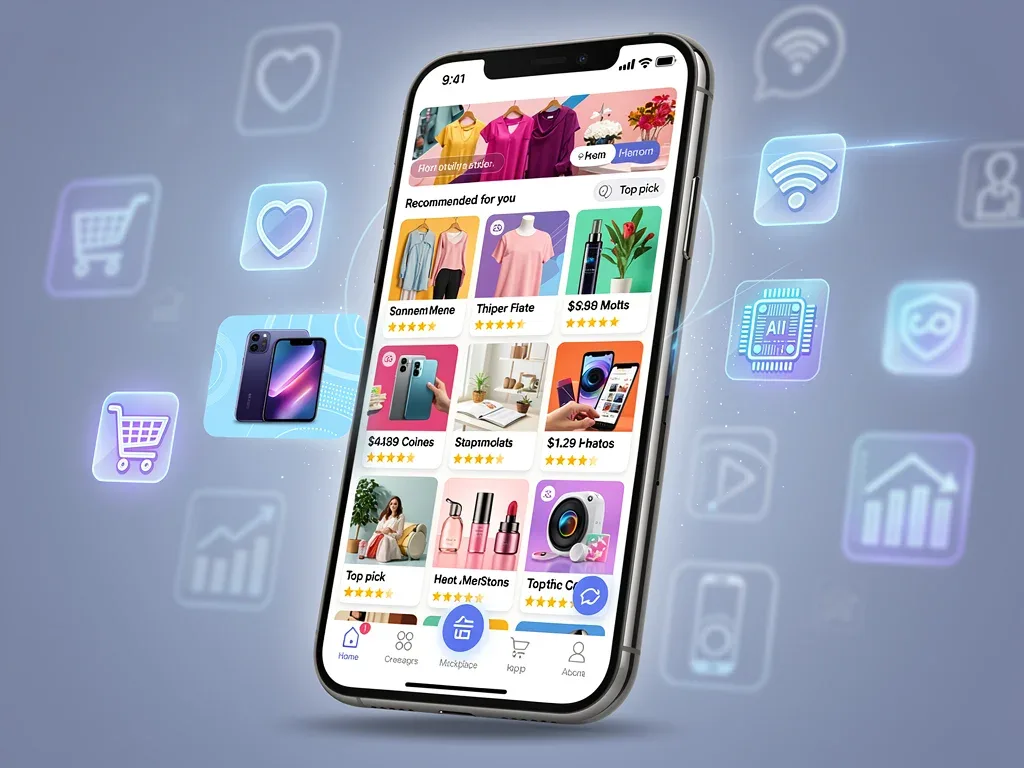
Retail media networks are experiencing significant expansion, with an impressive 74% of online shoppers actively engaging with hyper-personalized in-app ad feeds, fundamentally reshaping the digital advertising landscape.
The digital advertising landscape is undergoing a profound transformation, with retail media networks emerging as a dominant force. This shift is particularly evident as a staggering 74% of online shoppers are now experiencing and engaging with hyper-personalized in-app ad feeds, marking a new era for consumer interaction and marketing effectiveness.
The rise of retail media networks: a paradigm shift
Retail media networks represent a significant evolution in advertising, moving beyond traditional digital ads to create a more integrated and data-driven approach. These networks leverage first-party data from retailers to deliver highly relevant advertisements directly within the shopping environment, whether on a retailer's website, app, or even in-store digital screens.
This paradigm shift is driven by several factors, including the increasing deprecation of third-party cookies, the demand for more measurable ad spending, and consumers' growing expectation for personalized experiences. Retailers are uniquely positioned to capitalize on these trends, possessing a wealth of transactional and behavioral data that allows for unparalleled targeting capabilities.
What defines a retail media network?
At its core, a retail media network is an advertising platform operated by a retailer, offering brands the opportunity to reach consumers at the point of purchase. This includes a variety of ad placements and formats.
- On-site sponsored products: Ads appearing directly on product search results pages.
- Display ads within retailer apps: Banners and videos integrated into the shopping journey.
- Off-site extensions: Using retailer data to target ads on other websites or social media.
- In-store digital signage: Dynamic ads displayed on screens within physical retail locations.
The defining characteristic is the direct access to purchase intent data, allowing for precision targeting that traditional ad platforms often cannot match. This creates a powerful ecosystem where brands can influence purchasing decisions at the most critical moments.
Ultimately, the rise of these networks signifies a maturation of e-commerce, where the shopping journey itself becomes a valuable advertising channel. Retailers are no longer just sellers of goods; they are also becoming powerful media owners, commanding significant advertising budgets and delivering measurable ROI for brands.
Hyper-personalization: the key to 74% shopper engagement
The astonishing statistic that 74% of online shoppers engage with hyper-personalized in-app ad feeds is not accidental; it is the direct result of sophisticated data analytics and AI-driven personalization. This level of engagement underscores a fundamental truth: consumers are more receptive to advertising when it is relevant and adds value to their shopping experience.
Hyper-personalization goes beyond basic demographic targeting. It involves analyzing a vast array of data points, including past purchases, browsing history, wish lists, search queries, and even real-time behavior within the app. This granular understanding allows retail media networks to present ads that feel less like interruptions and more like helpful suggestions.
The mechanics of personalized ad delivery
Delivering hyper-personalized ads requires robust technological infrastructure. Machine learning algorithms play a crucial role, continuously learning from user interactions and refining ad recommendations. This dynamic process ensures that the ads presented are constantly optimized for relevance.
- Behavioral tracking: Monitoring user actions within the app and across the retailer's ecosystem.
- Purchase history analysis: Identifying patterns and preferences based on past transactions.
- AI-driven recommendations: Using algorithms to predict future needs and interests.
- Contextual relevance: Displaying ads based on the current page or search query.
This intricate dance between data and technology creates a virtuous cycle. As shoppers engage more with personalized ads, the system gathers more data, leading to even more precise personalization. This enhances the user experience and drives higher conversion rates for advertisers.
The high engagement rate demonstrates that consumers appreciate ads that are genuinely useful and tailored to their individual journeys. It transforms advertising from a broad-brush approach into a highly individualized conversation, fostering a stronger connection between brands and shoppers.
Benefits for retailers and brands
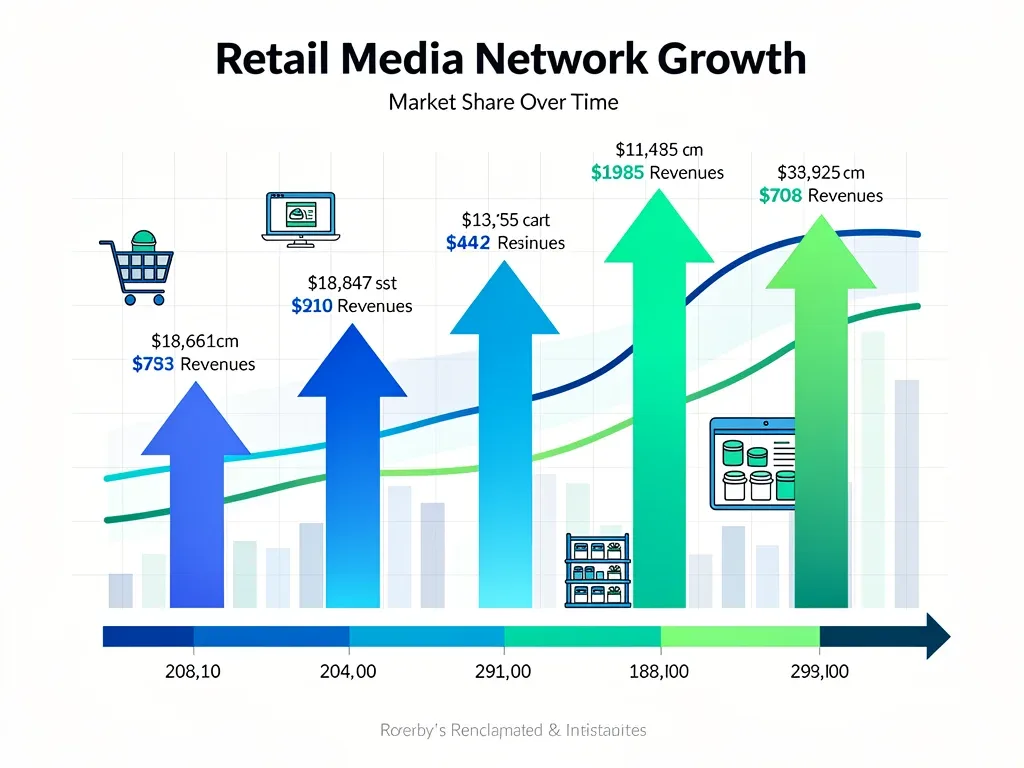
The expansion of retail media networks offers a wealth of benefits for both retailers and the brands that advertise on their platforms. For retailers, it unlocks a powerful new revenue stream, transforming their digital real estate into valuable advertising inventory. This diversified income can then be reinvested into improving the shopping experience, further strengthening their competitive position.
For brands, retail media provides an unprecedented opportunity to reach highly qualified audiences at the point of purchase. Unlike broad-reach advertising, retail media ensures that ad spend is directed towards consumers who are already in a shopping mindset, significantly increasing the likelihood of conversion. The rich first-party data also allows for highly accurate measurement and attribution, providing clear insights into campaign performance.
Enhanced targeting and measurable ROI
One of the primary advantages for brands is the ability to target consumers with extreme precision. This goes beyond simple demographics, allowing for targeting based on specific purchase behaviors, product categories viewed, or even loyalty program status. This level of granularity ensures that ad impressions are not wasted on irrelevant audiences.
- Precise audience segmentation: Targeting specific customer groups based on detailed first-party data.
- Closed-loop attribution: Directly linking ad exposure to sales within the retailer's ecosystem.
- Incremental sales: Driving purchases that might not have occurred otherwise.
- Brand visibility at critical moments: Ensuring products are seen when shoppers are actively looking to buy.
The measurable return on investment (ROI) is another compelling factor. Brands can track the direct impact of their ad campaigns on sales, enabling them to optimize strategies in real-time and allocate budgets more effectively. This transparency is a significant improvement over traditional advertising models, where attribution can often be murky.
In essence, retail media networks create a symbiotic relationship where retailers gain new revenue, and brands achieve more effective and measurable advertising outcomes, ultimately benefiting the consumer through more relevant product discovery.
Challenges and considerations for the future
Despite the undeniable growth and benefits, the rapid expansion of retail media networks also presents a unique set of challenges and considerations that need to be addressed to ensure their sustainable success. These include navigating data privacy concerns, managing potential conflicts of interest, and ensuring a seamless, non-intrusive user experience.
Retailers must walk a fine line between leveraging consumer data for personalization and respecting privacy boundaries. Transparency with consumers about data usage and providing clear opt-out options will be crucial for maintaining trust. Furthermore, as retailers become media owners, they must ensure fair competition among brands on their platforms, avoiding any perception of favoritism or bias.
Navigating data privacy and user experience
Data privacy regulations are becoming increasingly stringent, and retail media networks, with their reliance on first-party data, are under scrutiny. Building and maintaining consumer trust is paramount.
- Compliance with privacy laws: Adhering to regulations like GDPR and CCPA.
- Transparent data policies: Clearly communicating how data is collected and used.
- User control over preferences: Allowing shoppers to manage their ad settings.
- Ad fatigue prevention: Ensuring ads are relevant and not excessive, avoiding a negative impact on the shopping experience.
Another challenge lies in striking the right balance between monetization and user experience. Overloading an app or website with too many ads can lead to ad fatigue and deter shoppers. Retailers need to integrate ads seamlessly and thoughtfully, ensuring they enhance rather than detract from the overall shopping journey.
The future success of retail media networks hinges on their ability to innovate responsibly, prioritizing both effective advertising for brands and a positive, privacy-respecting experience for consumers. Addressing these challenges proactively will be key to unlocking their full potential.
The evolving consumer journey and in-app ad feeds
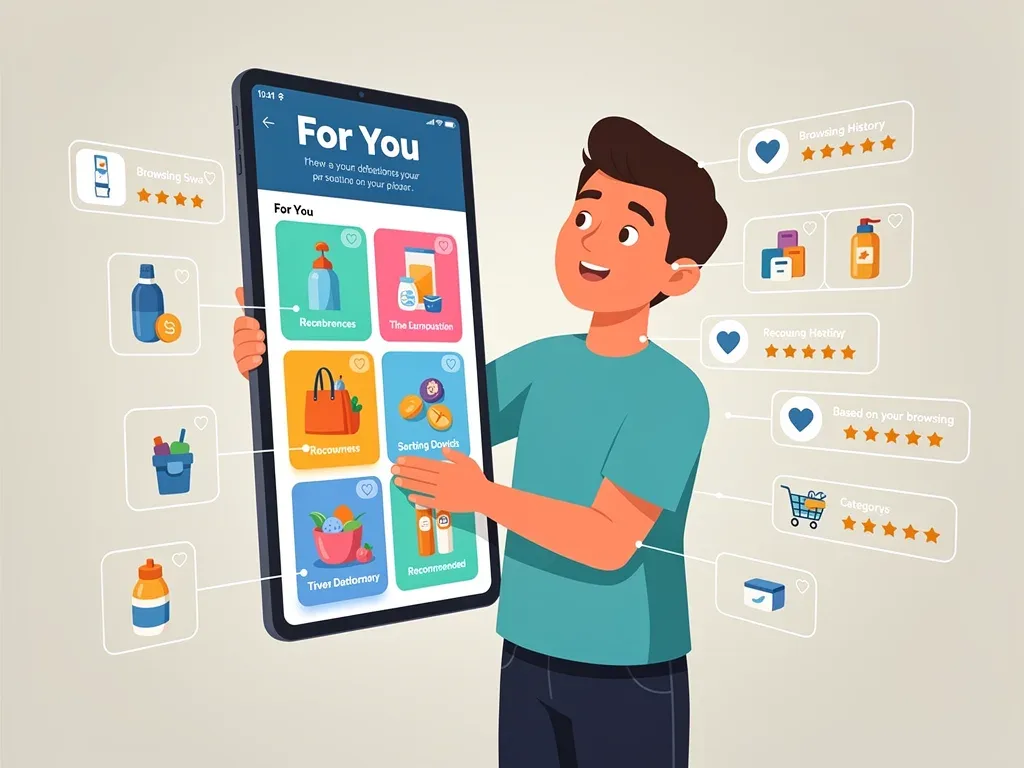
The modern consumer journey is rarely linear, often involving multiple touchpoints across various devices and platforms. In-app ad feeds are becoming an increasingly vital component of this journey, influencing purchase decisions at critical stages. The convenience and immediacy of mobile shopping, combined with highly personalized ad content, create a powerful combination that resonates with contemporary shoppers.
These in-app feeds are not just about showing products; they are about understanding the consumer's intent and context. Whether a shopper is browsing for inspiration, comparing prices, or ready to make a purchase, the ad feed can adapt to deliver relevant messages. This adaptability makes them particularly effective in capturing attention and driving conversions in a fast-paced digital environment.
Seamless integration into mobile experiences
The success of in-app ad feeds largely stems from their seamless integration into the mobile shopping experience. They are designed to feel like a natural part of the app's content, rather than intrusive pop-ups. This native approach significantly increases engagement rates.
- Native ad formats: Ads designed to match the look and feel of the surrounding content.
- Contextual placement: Ads appearing in relevant sections of the app, such as product detail pages or category listings.
- Interactive elements: Features like shoppable ads or direct links to product pages.
- Real-time optimization: Adjusting ad content based on immediate user behavior and preferences.
As mobile commerce continues to dominate, the importance of these hyper-personalized in-app ad feeds will only grow. They represent a sophisticated way for brands to connect with consumers where they spend a significant amount of their digital time, influencing decisions in a highly effective and integrated manner.
Understanding this evolving consumer journey is crucial for both retailers and brands to maximize the potential of retail media networks and ensure their advertising efforts are aligned with how people actually shop today.
Future outlook: innovation and expansion
The trajectory for retail media networks points towards continued innovation and significant expansion. As more retailers recognize the immense value of their first-party data and digital real estate, the ecosystem will become even more sophisticated. We can anticipate advancements in AI and machine learning, leading to even more precise personalization and predictive advertising capabilities.
Furthermore, the integration of retail media with other emerging technologies, such as augmented reality (AR) and virtual reality (VR), could open up entirely new avenues for immersive and interactive ad experiences. The focus will remain on creating value for the consumer, making advertising an integral and welcomed part of the shopping journey rather than a mere interruption.
Emerging trends and technological integration
Several key trends are expected to shape the future of retail media networks, driving further growth and sophistication. These innovations will enhance both the effectiveness for brands and the experience for consumers.
- Advanced AI and predictive analytics: Moving beyond current behavior to anticipate future needs and preferences.
- Cross-channel integration: Unifying ad experiences across online, mobile, and physical store touchpoints.
- Programmatic retail media: Automating ad buying and optimization for greater efficiency.
- Interactive and immersive ad formats: Leveraging AR/VR to create engaging product experiences within ads.
The expansion into new retail verticals, such as grocery, travel, and even healthcare, is also on the horizon, demonstrating the versatility and adaptability of the retail media model. As these networks mature, they will likely become central to brands' overall marketing strategies, offering a powerful, data-rich alternative to traditional digital advertising.
Ultimately, the future of retail media networks is bright, characterized by continuous innovation aimed at delivering hyper-relevant advertising that truly resonates with the modern, digitally-savvy consumer. This evolution will further solidify their position as a cornerstone of effective e-commerce marketing.
| Key Point | Brief Description |
|---|---|
| Retail Media Growth | Networks leverage first-party data, offering new revenue streams for retailers and precise targeting for brands. |
| Hyper-Personalization | 74% shopper engagement driven by AI-powered, relevant in-app ad feeds based on individual behavior. |
| Benefits for Brands | Achieve precise targeting, closed-loop attribution, and measurable ROI by reaching shoppers at the point of purchase. |
| Future Challenges | Addressing data privacy, preventing ad fatigue, and ensuring fair competition are crucial for sustained growth. |
Frequently asked questions about retail media networks
What are retail media networks?▼Retail media networks are advertising platforms operated by retailers, allowing brands to place targeted ads directly within the retailer's digital and physical shopping environments. They leverage first-party data to deliver highly relevant advertisements to consumers.
Why are 74% of online shoppers engaging with personalized ads?▼This high engagement is due to hyper-personalization, where ads are tailored using sophisticated algorithms based on individual shopping history, browsing behavior, and real-time context. This makes ads feel more like helpful suggestions than intrusive interruptions.
What are the main benefits for brands using retail media?▼Brands benefit from precise audience targeting, reaching consumers with high purchase intent, and gaining closed-loop attribution for their ad spend. This leads to higher conversion rates and measurable return on investment (ROI).
How do retail media networks handle data privacy?▼Responsible retail media networks prioritize compliance with data privacy regulations (e.g., GDPR, CCPA). They aim for transparency in data usage and provide users with control over their ad preferences to maintain trust and ensure ethical practices.
What does the future hold for retail media networks?▼The future involves continued innovation with advanced AI, cross-channel integration, programmatic capabilities, and interactive ad formats like AR/VR. Expansion into new verticals and a sustained focus on consumer value are also expected trends.
Conclusion
The expansion of retail media networks, underscored by the compelling statistic of 74% online shopper engagement with hyper-personalized in-app ad feeds, marks a pivotal moment in digital advertising. This evolution is driven by the strategic leveraging of first-party data, advanced AI, and a deep understanding of the modern consumer journey. For retailers, it represents a robust new revenue stream and an enhanced ability to serve their customers. For brands, it offers unparalleled precision in targeting, measurable ROI, and the opportunity to connect with shoppers at the most impactful stages of their purchasing decisions. While challenges surrounding data privacy and user experience remain, the trajectory for retail media networks is one of continued innovation and growth, promising a future where advertising is not merely an interruption but a valuable, integrated component of the shopping experience.
