3-Day Delivery Standard: Consumer Tolerance for Shipping Delays
Advertisements
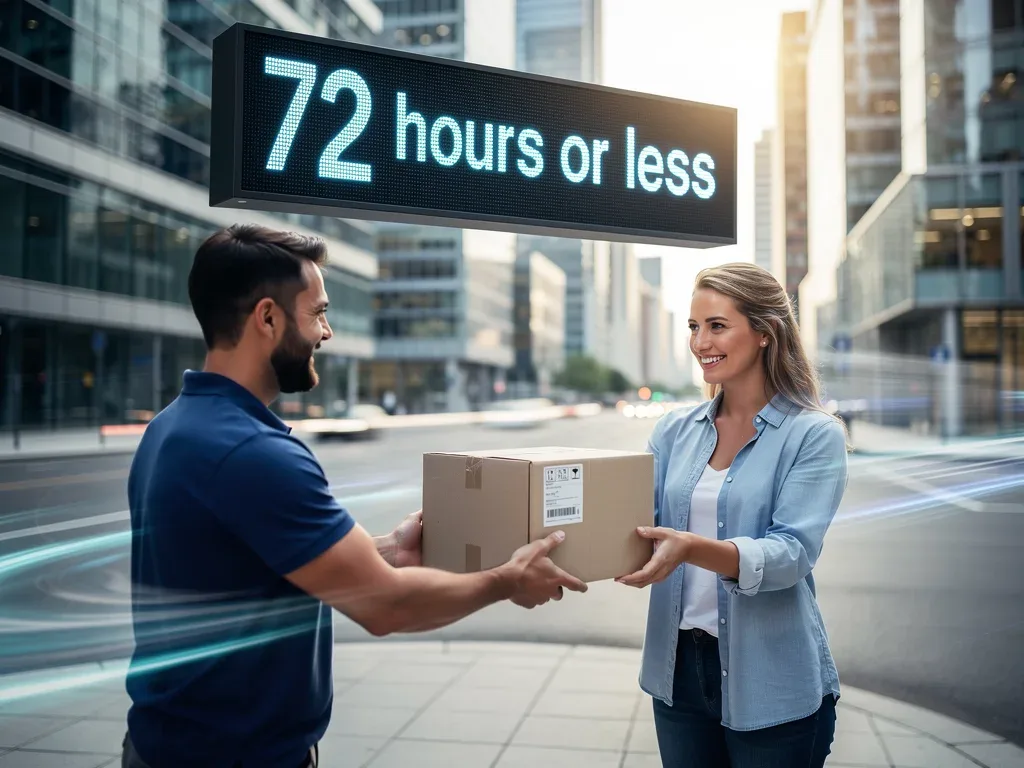
The rapid evolution of e-commerce has established a new 3-day delivery standard, fundamentally altering consumer expectations and significantly diminishing their tolerance for shipping delays across all retail platforms.
In today's fast-paced digital economy, consumer expectations for rapid delivery have never been higher. The phenomenon of the 3-day delivery standard has fundamentally reshaped how businesses operate and how customers perceive service. This shift isn't just a preference; it's an ingrained expectation that has dramatically reduced tolerance for shipping delays, pushing the acceptable waiting period for online purchases well below 72 hours.
The Evolution of Consumer Expectations in E-commerce
The journey from waiting weeks for catalog orders to expecting packages within days highlights a profound transformation in consumer behavior. This evolution is driven by technological advancements, fierce competition among retailers, and a growing desire for instant gratification. Consumers now view fast shipping not as a luxury, but as a basic requirement for any online shopping experience.
The rise of e-commerce giants, particularly Amazon with its Prime service, played a pivotal role in setting these new benchmarks. What was once considered an expedited option has now become the baseline. This rapid shift has placed immense pressure on businesses of all sizes to re-evaluate their logistics and supply chain strategies to meet these demanding expectations.
From Weeks to Days: A Historical Perspective
Historically, consumers were accustomed to lengthy shipping times, often measured in weeks rather than days. The internet age, however, brought about a paradigm shift. Early e-commerce still saw delivery times of 5-7 business days as standard, but this quickly began to shrink as technology improved and competition intensified.
- Early E-commerce (1990s-early 2000s): 7-14 day delivery was common.
- Mid-2000s: 5-7 business days became the norm, often with tracking.
- Late 2000s-Early 2010s: Introduction of expedited shipping options, often for a premium.
- Mid-2010s-Present: 2-day and even same-day delivery became increasingly prevalent, especially in urban areas.
This historical progression underscores the relentless march towards faster fulfillment, culminating in the current expectation that anything beyond 72 hours is considered a delay. Businesses that fail to adapt risk losing market share and customer loyalty in an increasingly competitive landscape.
The evolution of consumer expectations is a continuous process, influenced by various market forces and technological innovations. Understanding this trajectory is crucial for businesses aiming to thrive in the modern retail environment, as it dictates the very foundation of customer satisfaction and retention.
The Impact of E-commerce Giants on Delivery Standards
No discussion about modern delivery expectations is complete without acknowledging the transformative influence of e-commerce giants. Companies like Amazon have not just participated in the market; they have actively shaped it, setting new standards that smaller businesses are compelled to follow. Their vast logistical networks and technological prowess have made rapid delivery accessible to millions, effectively recalibrating what consumers consider acceptable.
Amazon Prime, in particular, has been a game-changer. By offering 2-day shipping as a standard benefit for subscribers, it normalized speed and convenience. This move created a ripple effect, compelling other retailers to invest heavily in their own supply chains to keep pace. The expectation of quick delivery, once a premium, is now an essential part of the online shopping experience.
Amazon Prime and the 'New Normal' of Shipping
Amazon Prime's introduction of 2-day shipping was a watershed moment. It wasn't just about faster delivery; it was about integrating speed into the subscription model, making it a routine part of online shopping. This strategic move effectively raised the bar for the entire industry.
- Subscription Model: Enticed customers with unlimited fast shipping for an annual fee.
- Infrastructure Investment: Built a massive network of fulfillment centers and delivery services.
- Customer Expectation Shift: Transformed 2-day delivery from a luxury to a baseline expectation.
The continuous innovation by these giants, including same-day and even hourly delivery options in select markets, further solidifies the notion that speed is paramount. This pressure trickles down to all businesses, regardless of their size, forcing them to adapt or risk becoming obsolete in the eyes of the modern consumer.
The indelible mark left by these e-commerce leaders on delivery standards means that businesses must perpetually innovate and optimize their logistics. Failure to do so can result in significant disadvantages in a market where customer patience is a rapidly dwindling commodity, making the 3-day delivery standard a critical benchmark for success.
Technological Advancements Fueling Faster Fulfillment
The ability to meet increasingly stringent delivery timelines is not solely a matter of business strategy; it is deeply intertwined with significant technological advancements. From sophisticated warehouse automation to predictive analytics and advanced routing algorithms, technology is the engine driving the push towards faster, more efficient fulfillment. These innovations enable businesses to process orders quicker, manage inventory more effectively, and optimize delivery routes in real-time, all contributing to the sub-72-hour expectation.
Artificial intelligence and machine learning play a crucial role in predicting demand, which allows companies to pre-position inventory closer to consumers. This foresight drastically cuts down on shipping times. Robotics in fulfillment centers handle tasks with unparalleled speed and accuracy, minimizing human error and accelerating package preparation. Without these technological leaps, the current 3-day delivery standard would simply be unattainable for most businesses.
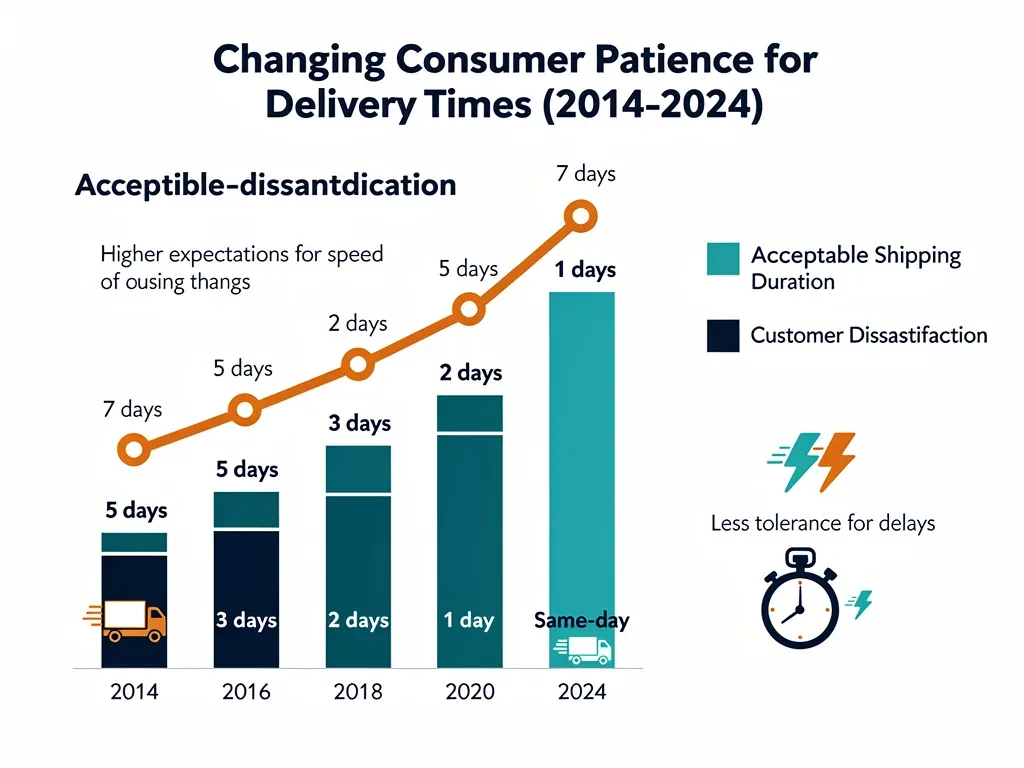
Automation and Robotics in Warehousing
Modern warehouses are no longer just storage facilities; they are highly automated hubs of activity. Robotics and automation have revolutionized how products are received, stored, picked, and packed. This dramatically reduces the time it takes for an item to move from shelf to shipping dock.
- Automated Storage and Retrieval Systems (AS/RS): Robots efficiently move and store items, optimizing space and speed.
- Robotic Pickers: Machines can pick items faster and more accurately than humans, especially for repetitive tasks.
- Automated Sorting Systems: Packages are sorted by destination at incredible speeds, streamlining the shipping process.
These systems not only accelerate operations but also improve accuracy, leading to fewer shipping errors and enhanced customer satisfaction. The efficiency gained through automation is a cornerstone of meeting the rapid delivery demands of today's consumers.
Furthermore, the integration of IoT devices provides real-time data on inventory levels and movement, allowing for dynamic adjustments and continuous optimization. This technological synergy is essential for any business aiming to uphold the swift delivery promises that consumers now demand, particularly within the competitive landscape of the 3-day delivery standard.
The Economic Implications of Rapid Delivery
Meeting the 3-day delivery standard comes with significant economic implications for businesses. While faster shipping can boost sales and customer loyalty, it also necessitates substantial investments in infrastructure, technology, and labor. Companies must weigh the benefits of increased customer satisfaction against the considerable costs associated with optimizing their supply chains for speed.
These costs include not only the initial capital expenditure for automation and new facilities but also ongoing operational expenses such as higher transportation fees for expedited services, increased labor costs for extended shifts, and the complexities of managing a decentralized inventory network. Balancing these financial pressures while remaining competitive is a critical challenge for retailers in the current market.
Cost vs. Customer Satisfaction: A Delicate Balance
Businesses face a constant dilemma: how much should they invest in speed to satisfy customers without eroding their profit margins? The answer often lies in strategic optimization and leveraging technology to find efficiencies.
- Increased Shipping Costs: Expedited shipping options are inherently more expensive.
- Infrastructure Investment: Building more warehouses closer to customers requires significant capital.
- Labor Expenses: More staff or overtime may be needed to handle rapid fulfillment.
- Inventory Management Challenges: Distributing inventory across multiple locations can be complex and costly.
Despite these costs, the competitive pressure to offer rapid delivery is undeniable. Customers are increasingly willing to switch brands if their delivery expectations are not met. Therefore, the long-term economic viability often hinges on finding innovative ways to absorb or mitigate these costs through scale, efficiency, and strategic partnerships.
The economic landscape of e-commerce is continuously shaped by these delivery demands. Businesses that can master the art of fast and cost-effective shipping will be well-positioned for sustained growth, whereas those that lag may find themselves struggling to compete effectively within the new economic realities of the 3-day delivery standard.
Consumer Psychology: Why We Crave Instant Gratification
The shift towards a 3-day delivery standard is not merely a logistical phenomenon; it is deeply rooted in consumer psychology, particularly the pervasive desire for instant gratification. In an age where information is available at our fingertips and entertainment is on demand, waiting for physical goods feels increasingly anachronistic. This psychological drive significantly influences purchasing decisions and shapes overall brand perception.
The anticipation of receiving a product quickly can enhance the perceived value of the purchase. Conversely, extended waiting times can lead to buyer's remorse, anxiety, and ultimately, dissatisfaction. Understanding these underlying psychological factors is crucial for businesses aiming to align their services with consumer expectations and build lasting customer relationships.
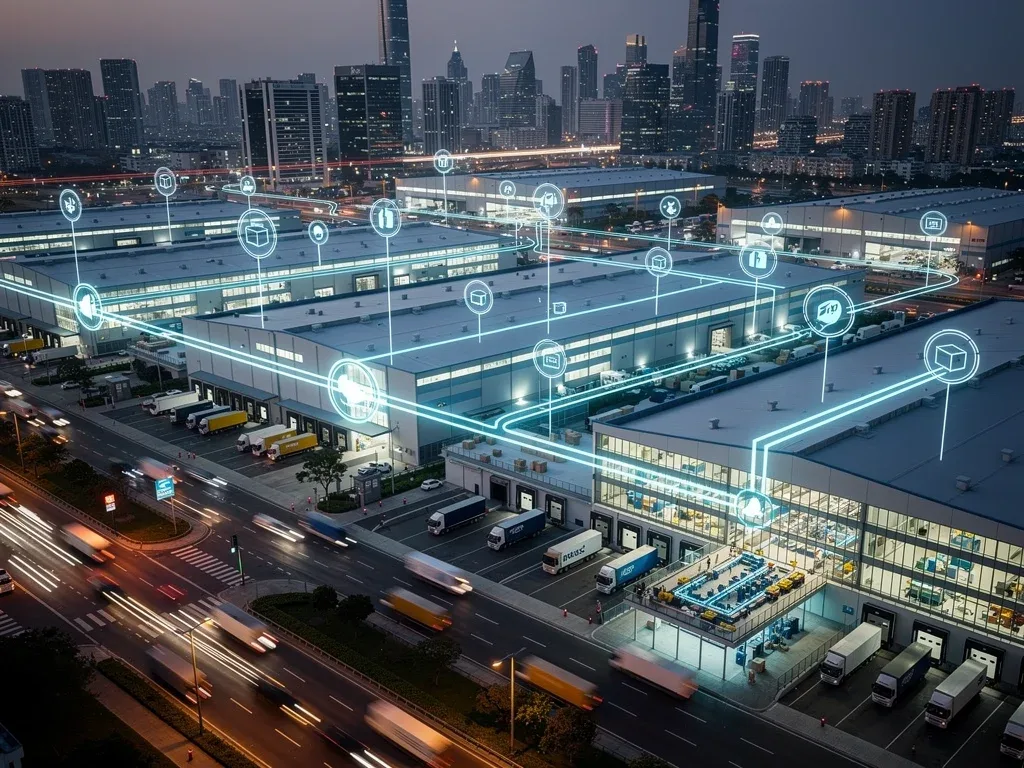
The Role of Dopamine and Anticipation
The human brain is wired to respond positively to immediate rewards. The act of ordering an item online triggers a sense of anticipation, and the faster that anticipation is fulfilled, the greater the dopamine release, contributing to a positive shopping experience. Delays, on the other hand, can lead to frustration and a negative emotional response.
- Dopamine Release: Instant gratification provides a pleasure response, reinforcing the behavior.
- Reduced Anxiety: Shorter waiting times alleviate uncertainty and buyer's anxiety.
- Enhanced Perceived Value: Fast delivery can make a product feel more desirable and premium.
This psychological framework explains why consumers are willing to pay more for faster shipping or choose retailers that consistently offer quick delivery. It's not just about convenience; it's about fulfilling a fundamental psychological need for immediate reward and minimizing the discomfort of waiting. Businesses that tap into this understanding can design their services to better meet these inherent consumer desires, making the 3-day delivery standard a powerful tool for customer engagement.
Ultimately, the psychological underpinnings of instant gratification are a powerful force driving the demand for rapid delivery. Retailers who acknowledge and cater to this aspect of consumer behavior are better positioned to succeed in a market where patience is increasingly scarce.
Strategies for Businesses to Meet the New Standard
Adapting to the pervasive 3-day delivery standard requires a multi-faceted approach from businesses. It's no longer enough to offer a single shipping option; rather, companies must implement comprehensive strategies that optimize every stage of their supply chain. This involves a blend of technological adoption, strategic partnerships, and a deep understanding of customer behavior to consistently deliver within the expected timeframe.
From improving inventory management to enhancing last-mile delivery, every operational detail contributes to meeting these heightened expectations. Failure to develop robust strategies can lead to lost sales, negative reviews, and a diminished brand reputation in a market where speed is a key differentiator.
Optimizing the Supply Chain for Speed
Achieving rapid delivery requires a finely tuned supply chain that prioritizes efficiency at every touchpoint. This optimization extends beyond just the final delivery stage to encompass sourcing, warehousing, and order fulfillment.
- Distributed Inventory: Storing products in multiple warehouses closer to customers reduces transit times.
- Warehouse Automation: Utilizing robotics and AI to speed up picking, packing, and sorting processes.
- Advanced Analytics: Using data to predict demand and optimize inventory placement and routing.
- Strategic Carrier Partnerships: Collaborating with multiple shipping carriers to leverage their strengths and coverage.
Furthermore, investing in robust order management systems (OMS) can streamline the entire process from order placement to dispatch. An efficient OMS ensures that orders are processed quickly and accurately, minimizing delays and improving overall fulfillment speed. Real-time tracking capabilities also provide transparency to customers, managing their expectations effectively.
By focusing on these strategic areas, businesses can not only meet but often exceed the 3-day delivery standard, transforming a logistical challenge into a significant competitive advantage. This proactive approach is essential for long-term success in the evolving landscape of e-commerce, ensuring customer loyalty and sustained growth.
The Future of Delivery: What Comes Next?
As consumer tolerance for shipping delays continues to shrink, the question naturally arises: what does the future hold for delivery? While the 3-day delivery standard is currently the benchmark, continuous innovation suggests that even faster options are on the horizon. The future of delivery is likely to be characterized by even greater speed, enhanced personalization, and a strong emphasis on sustainability, driven by emerging technologies and evolving consumer values.
Anticipate a landscape where drone delivery, autonomous vehicles, and hyper-local fulfillment centers become more commonplace. These advancements will further compress delivery windows, potentially making same-day or even hourly delivery a widespread reality. Businesses must remain agile and forward-thinking to adapt to these impending shifts and stay ahead of consumer expectations.
Emerging Technologies and Hyper-Personalization
The next wave of delivery innovation will be powered by technologies that enable unprecedented speed and customization. These advancements promise to redefine convenience and efficiency.
- Drone Delivery: Autonomous aerial vehicles for rapid, localized deliveries.
- Autonomous Ground Vehicles: Self-driving robots and vans for last-mile delivery in urban areas.
- Hyper-Local Fulfillment: Micro-warehouses strategically placed within neighborhoods for ultra-fast delivery.
- Predictive Shipping: AI-driven systems that anticipate purchases and ship items before an order is even placed.
Beyond speed, the future of delivery will also focus on hyper-personalization. This includes offering customers more control over delivery times, locations, and even the packaging experience. Sustainable delivery options, such as electric vehicle fleets and optimized routing to reduce carbon footprint, will also become increasingly important as environmental concerns grow.
The continuous pursuit of speed and convenience, coupled with a growing awareness of environmental impact, will shape the next generation of delivery services. Businesses that proactively invest in these future trends will be best equipped to navigate the ever-changing demands of consumers and maintain a competitive edge, extending beyond even the stringent 3-day delivery standard.
| Key Aspect | Brief Description |
|---|---|
| Consumer Expectation Shift | Consumers now expect deliveries within 72 hours, a significant drop from previous standards. |
| E-commerce Influence | Giants like Amazon Prime set new benchmarks, making fast delivery a standard, not a luxury. |
| Technological Drivers | Automation, AI, and advanced logistics enable faster, more efficient fulfillment processes. |
| Business Adaptation | Companies must invest in infrastructure and strategy to meet the 3-day delivery standard and remain competitive. |
Frequently Asked Questions About Delivery Standards
What is the 3-day delivery standard in e-commerce?▼The 3-day delivery standard refers to the current consumer expectation that online orders should arrive within 72 hours of purchase. This benchmark has become widely accepted due to rapid advancements in logistics and increased competition among e-commerce retailers, making longer shipping times often unacceptable to customers.
How did consumer tolerance for shipping delays change?▼Consumer tolerance for shipping delays has drastically reduced from weeks to mere days, primarily driven by the influence of major e-commerce platforms offering expedited shipping as a standard. This shift reflects a broader societal trend towards instant gratification and increased convenience in all aspects of consumption.
What technologies enable faster delivery times?▼Faster delivery times are enabled by various technologies, including warehouse automation, robotics, artificial intelligence for demand forecasting, and advanced routing algorithms. These innovations streamline order processing, optimize inventory placement, and enhance the efficiency of last-mile delivery, making rapid fulfillment achievable.
What are the economic implications for businesses meeting this standard?▼Meeting the 3-day delivery standard entails significant economic implications, including substantial investments in logistics infrastructure, technology, and potentially higher operational costs. While it boosts customer satisfaction and sales, businesses must strategically balance these costs against competitive pressures and profit margins to remain viable.
What does the future of delivery look like beyond 3 days?▼The future of delivery is expected to be even faster, with potential widespread adoption of drone delivery, autonomous vehicles, and hyper-local fulfillment centers. This will lead to more same-day or even hourly delivery options, further emphasizing speed, personalization, and sustainability as key differentiators in the market.
Conclusion
The emergence of the 3-day delivery standard signifies a monumental shift in consumer expectations, irrevocably altering the landscape of e-commerce and retail. What was once considered an ambitious goal is now the baseline, driven by technological innovations, the pervasive influence of e-commerce giants, and an ingrained psychological craving for instant gratification. Businesses that recognize and adapt to this new reality, by investing in robust logistics, advanced technology, and customer-centric strategies, are those that will thrive. The continuous evolution of delivery speeds promises an even faster, more personalized, and sustainable future, challenging companies to remain agile and innovative to meet the ever-increasing demands of the modern consumer.
