B2B SaaS Churn Playbook: 4 Retention Strategies to Slash Cancellations Under 3%
Advertisements
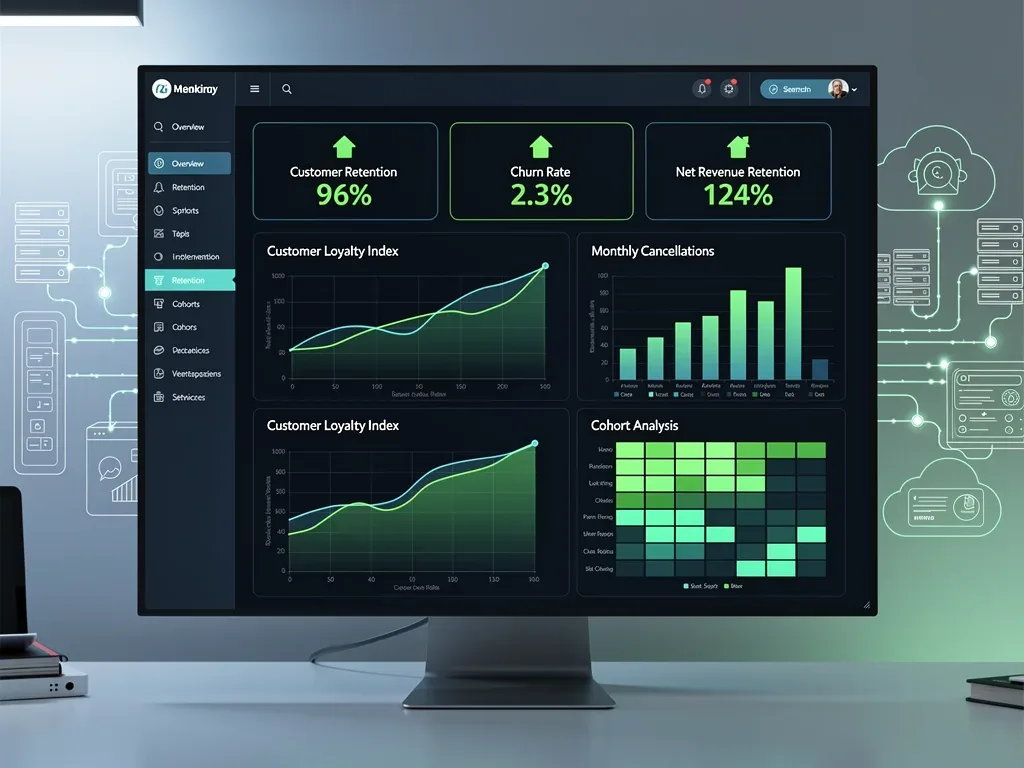
This B2B SaaS churn playbook outlines four critical retention strategies to help enterprise software companies slash contract cancellations and achieve an enviable churn rate below 3%, fostering sustainable growth.
In the competitive landscape of enterprise software, a high churn rate can be detrimental to growth and profitability. This article delves into a comprehensive B2B SaaS Churn Playbook, outlining four critical retention strategies designed to help your organization slash enterprise contract cancellations and maintain churn rates well below the industry average of 3%.
Understanding the High Stakes of B2B SaaS Churn
B2B SaaS companies operate in a unique ecosystem where customer relationships are often long-term and contract values are significant. Consequently, even a slight increase in churn can have a disproportionately large impact on revenue, growth projections, and investor confidence. Understanding the underlying causes of churn is the first step towards building a robust retention strategy.
Enterprise clients typically have complex needs, intricate integration requirements, and a higher expectation of service and value. When these expectations are not met, or when the perceived value diminishes over time, the risk of churn escalates. The cost of acquiring a new B2B customer is substantially higher than retaining an existing one, making churn prevention not just a best practice, but a critical business imperative.
Furthermore, churn in the B2B SaaS space often isn't a sudden event but rather a gradual erosion of trust and value. Early warning signs are usually present, ranging from decreased product usage and unanswered support tickets to changes in key client personnel. Identifying and addressing these signals proactively is paramount to successful retention.
Ultimately, a deep understanding of why enterprise clients leave is foundational. This includes analyzing product fit, service quality, competitive pressures, and the evolving needs of the customer's business. Without this insight, any retention efforts risk being misdirected or ineffective, leading to continued revenue leakage and missed growth opportunities.
Strategy 1: Proactive Customer Success and Onboarding Excellence
Effective customer success is not merely reactive support; it's a proactive, strategic function that ensures clients realize maximum value from your SaaS solution from day one. This begins with an impeccable onboarding process that sets the stage for a long and fruitful partnership, significantly reducing early-stage churn.
A well-structured onboarding program goes beyond technical setup. It involves understanding the client's specific business objectives, configuring the solution to meet those goals, and providing comprehensive training to ensure user adoption. This initial phase is crucial for establishing trust and demonstrating immediate value.
Beyond onboarding, continuous proactive engagement is vital. Customer Success Managers (CSMs) should regularly check in, provide strategic guidance, and identify opportunities for clients to leverage more features or optimize their existing usage. This consistent attention helps to build strong relationships and identifies potential issues before they escalate into churn risks.
One of the most effective ways to ensure proactive customer success is through regular business reviews. These meetings allow CSMs to demonstrate ROI, discuss future roadmap alignment, and address any concerns the client might have. This structured approach reinforces the value proposition and solidifies the partnership.
Tailored Onboarding Paths
- Personalized Training: Develop customized training modules based on the client's specific use cases and user roles.
- Dedicated Onboarding Specialist: Assign a single point of contact to guide the client through the entire setup and initial adoption phase.
- Success Milestones: Define clear, measurable success milestones for the first 30, 60, and 90 days, and track progress diligently.
- Integration Support: Provide hands-on assistance with integrating your SaaS solution into the client's existing tech stack.
The goal of proactive customer success is to transform clients into advocates, ensuring they not only stay but also grow with your platform. By consistently delivering value and anticipating their needs, you create a sticky relationship that is difficult for competitors to disrupt.
Strategy 2: Data-Driven Churn Prediction and Intervention
Leveraging data analytics to predict and prevent churn is no longer a luxury but a necessity for B2B SaaS companies. By identifying at-risk accounts before they decide to leave, organizations can implement targeted interventions, drastically improving retention rates and preserving valuable revenue streams.
Churn prediction models analyze various data points, including product usage patterns, support ticket history, engagement with marketing materials, and sentiment analysis from customer interactions. These models can flag accounts exhibiting behaviors commonly associated with future churn, allowing CSMs to intervene early.
Key metrics for churn prediction often include declining login frequency, decreased feature adoption, ignored communications, and negative feedback. Combining these quantitative signals with qualitative insights from CSMs provides a comprehensive view of account health and potential churn risks.
Once an at-risk account is identified, a structured intervention plan must be executed. This might involve personalized outreach, offering additional training, addressing specific pain points, or even engaging executive sponsorship to re-establish the value proposition. The timeliness and relevance of these interventions are critical.
Implementing a Churn Prediction System
- Identify Key Churn Indicators: Determine which product usage metrics, support interactions, and communication patterns correlate most strongly with churn.
- Build Predictive Models: Utilize machine learning or statistical analysis to create models that score the churn risk of each account.
- Establish Alert Systems: Configure automated alerts to notify CSMs when an account's churn risk score crosses a predefined threshold.
- Develop Intervention Playbooks: Create standardized, yet flexible, playbooks for CSMs to follow when engaging with at-risk clients.
The continuous refinement of churn prediction models is also essential. As your product evolves and customer behavior shifts, so too should your models. Regular analysis of churned accounts provides valuable feedback for improving predictive accuracy and intervention strategies.
Strategy 3: Continuous Product Value Enhancement and Feedback Loops
In the dynamic B2B SaaS market, product stagnation is a direct path to churn. Enterprise clients expect continuous innovation and improvements that align with their evolving business needs. A robust system for product value enhancement, driven by customer feedback, is therefore a cornerstone of effective retention.
Establishing clear feedback loops ensures that customer insights directly inform product development. This includes formal channels like user groups, surveys, and product advisory boards, as well as informal feedback gathered during CSM interactions. Listening actively to clients' challenges and aspirations is paramount.
Prioritizing product enhancements based on their impact on customer value and churn reduction is crucial. Features that solve significant pain points or unlock new efficiencies for enterprise clients will naturally increase stickiness. Regular communication about new features and their benefits reinforces the value proposition.
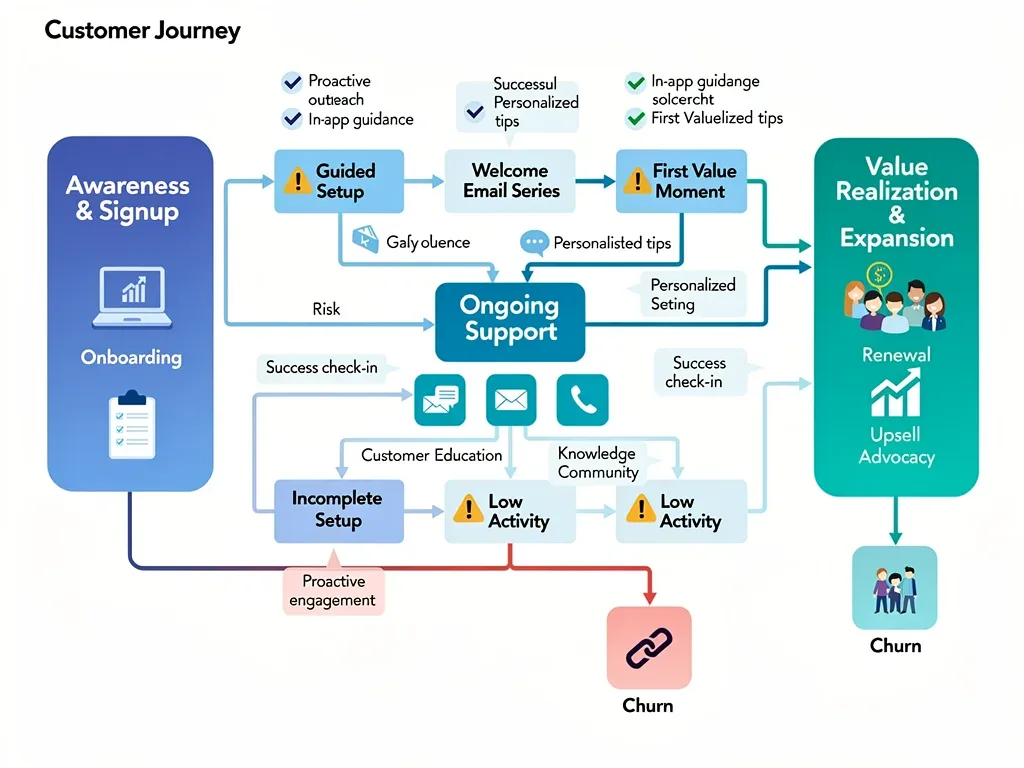
Moreover, product value enhancement isn't just about adding new features; it's also about improving existing ones, optimizing performance, and ensuring a seamless user experience. A reliable, intuitive product that consistently delivers on its promises is inherently more resistant to churn.
Optimizing Feedback Mechanisms
- Product Advisory Councils: Create exclusive groups of key enterprise clients to gather in-depth feedback and validate product roadmap decisions.
- In-App Feedback Tools: Implement easy-to-use in-app feedback widgets or surveys to capture user sentiment and suggestions at the point of experience.
- CSM-Led Feedback Collection: Empower Customer Success Managers to systematically collect and categorize client feedback during their regular interactions.
- Transparent Communication: Regularly inform clients about how their feedback is being used and the impact it has on product development.
By making clients feel heard and actively involving them in the product evolution process, you foster a sense of partnership and shared ownership. This not only enhances product value but also strengthens the emotional connection clients have with your brand, making them less likely to seek alternatives.
Strategy 4: Strategic Contract Management and Renewal Optimization
While often overlooked in retention discussions, strategic contract management and renewal optimization play a critical role in preventing churn, especially for enterprise clients. This strategy focuses on ensuring that contract terms remain mutually beneficial and that the renewal process is seamless and value-driven.
Understanding the client's budgetary cycles and internal approval processes is essential for timely renewal discussions. Initiating these conversations well in advance of the contract expiry date allows ample time to address any concerns, negotiate terms, and secure the renewal without pressure.
A key aspect of renewal optimization is demonstrating the accumulated value delivered throughout the contract term. This involves presenting clear ROI metrics, showcasing product usage data, and highlighting how your solution has contributed to the client's strategic objectives. Quantifying value makes the renewal decision an easy one.
Furthermore, flexibility in contract terms, such as offering multi-year agreements with favorable pricing or tiered service levels, can incentivize long-term commitment. Tailoring contract structures to meet specific client needs can be a powerful churn prevention tool, especially for large enterprise accounts.
Best Practices for Renewal Optimization
- Early Renewal Discussions: Begin renewal conversations 90-120 days before contract expiry to allow for thorough review and negotiation.
- Value Realization Reports: Provide comprehensive reports detailing the ROI and benefits the client has received from your platform.
- Pricing Strategy Review: Regularly review your pricing model to ensure it remains competitive and reflects the value delivered.
- Executive Sponsorship: Engage senior leadership for key enterprise renewals to underscore the importance of the partnership.
By approaching renewals not as a transactional event, but as an opportunity to reaffirm partnership and value, B2B SaaS companies can significantly improve their renewal rates. A well-executed renewal strategy ensures that churn is minimized and long-term client relationships are solidified.
Building a Culture of Retention Across the Organization
Achieving and maintaining a churn rate below 3% in B2B SaaS is not solely the responsibility of the customer success team; it requires a company-wide commitment and a culture deeply rooted in customer retention. Every department, from sales and marketing to product and engineering, plays a vital role in this collective effort.
Sales teams must focus on selling to the right customers, ensuring a strong product-market fit from the outset. Misaligned sales can lead to early churn, as clients quickly realize the solution doesn't meet their core needs. Marketing, in turn, should communicate realistic expectations and highlight the true value proposition.
Product and engineering teams are responsible for delivering a high-quality, evolving solution that continuously meets and exceeds customer expectations. Their responsiveness to feedback and ability to innovate directly impacts customer satisfaction and, consequently, retention. A reliable product is a sticky product.
Even finance and legal departments contribute by ensuring transparent billing practices and fair contract terms. Any friction in these areas can create unnecessary frustration and contribute to churn, even if the core product is excellent. A holistic approach ensures every touchpoint reinforces customer loyalty.

Regular internal communication and cross-functional collaboration are essential to foster this retention-focused culture. Sharing customer insights, discussing churn trends, and celebrating retention successes can motivate teams and align everyone towards the common goal of customer longevity.
Key Pillars of a Retention Culture
- Shared Metrics: Implement company-wide KPIs that include customer retention and churn rates, making it a collective responsibility.
- Cross-Functional Training: Educate all employees on the importance of customer success and how their role impacts retention.
- Customer-Centric Decision Making: Ensure that customer impact is a primary consideration in all business decisions, from product features to support policies.
- Executive Buy-In: Secure strong leadership commitment to retention initiatives, demonstrating its strategic importance to the entire organization.
When retention becomes a core value embedded in the organizational DNA, it naturally leads to better products, superior service, and ultimately, a significantly lower churn rate. This cultural shift transforms customer retention from a departmental task into a company-wide mission, driving sustainable success.
Measuring Success: Beyond Just the Churn Rate
While the churn rate is the ultimate metric for retention, a comprehensive understanding of success requires looking beyond this single number. A robust measurement framework for B2B SaaS retention involves tracking a variety of key performance indicators (KPIs) that provide deeper insights into customer health and engagement. This multi-faceted approach allows companies to understand the 'why' behind the numbers and make more informed decisions.
Key metrics often include Net Revenue Retention (NRR), Customer Lifetime Value (CLTV), and product adoption rates. NRR, for instance, provides a more complete picture by accounting for expansions and contractions, showing whether your existing customer base is growing or shrinking in value. A high NRR (ideally over 100%) indicates healthy expansion and strong retention, even if some churn occurs.
Product adoption metrics, such as feature usage, active users per account, and time spent in-app, offer insights into how deeply clients are engaging with your solution. Low adoption often precedes churn, making these early warning indicators invaluable. Similarly, customer satisfaction scores (CSAT, NPS) and support ticket resolution times can signal potential issues before they become critical.
Furthermore, segmenting churn data by customer size, industry, or product tier can reveal specific patterns and help tailor retention strategies. For example, if small business churn is higher than enterprise churn, different intervention tactics might be required. This granular analysis is crucial for precision in retention efforts.
Essential Retention Metrics
- Net Revenue Retention (NRR): Measures revenue growth from existing customers, including upgrades, downgrades, and churn.
- Customer Lifetime Value (CLTV): The total revenue a business can reasonably expect from a single customer account over their relationship.
- Product Adoption Rate: The percentage of users who actively use specific features or the product as a whole.
- Customer Satisfaction Scores (CSAT/NPS): Indicate overall customer happiness and loyalty, often predicting future churn or advocacy.
By systematically tracking and analyzing these diverse metrics, B2B SaaS companies can move beyond simply reacting to churn and instead build a predictive, proactive retention strategy. This data-driven approach empowers teams to identify root causes, implement effective interventions, and continuously optimize their efforts to keep churn below that coveted 3% threshold.
The Long-Term Impact of Low Churn on Enterprise Growth
Maintaining a low churn rate, particularly below 3%, fundamentally transforms the growth trajectory and financial health of a B2B SaaS enterprise. It shifts the focus from a constant race to acquire new customers to nurturing and expanding existing relationships, creating a more stable and predictable revenue stream. This stability allows for greater investment in product development, customer success, and long-term strategic planning.
When churn is minimized, the compounding effect on revenue is profound. Each retained customer continues to generate revenue, and often, expands their usage over time, contributing to an impressive Net Revenue Retention. This predictable revenue base significantly improves valuation, making the company more attractive to investors and enabling further capital allocation for growth initiatives.
Furthermore, satisfied, long-term enterprise clients become powerful advocates. They provide valuable testimonials, act as references for new sales, and contribute to positive word-of-mouth marketing, which is invaluable in the B2B space. This organic growth channel reduces customer acquisition costs and strengthens brand reputation.
A low churn environment also fosters a more positive internal culture. Teams are motivated by seeing the long-term impact of their work, and the stress associated with constantly replacing lost customers diminishes. This leads to higher employee morale, reduced turnover, and a more engaged workforce focused on delivering exceptional value.
Benefits of Sub-3% Churn
- Accelerated Compound Growth: Stable revenue base allows for exponential growth through expansion and advocacy.
- Enhanced Company Valuation: Predictable recurring revenue is a key driver of higher valuations for SaaS businesses.
- Reduced Customer Acquisition Costs (CAC): Existing customers are cheaper to serve and more likely to expand than new ones.
- Stronger Market Reputation: Loyal customers become brand ambassadors, attracting new business through referrals and positive reviews.
In essence, a low churn rate is not just a metric; it's a strategic advantage that underpins sustainable growth, financial stability, and market leadership in the highly competitive B2B SaaS industry. By implementing the strategies outlined in this playbook, companies can build a resilient business model poised for long-term success.
| Key Strategy | Brief Description |
|---|---|
| Proactive Customer Success | Ensuring clients achieve maximum value from onboarding through continuous engagement. |
| Data-Driven Churn Prediction | Using analytics to identify at-risk accounts and intervene before churn occurs. |
| Continuous Product Value | Enhancing the product based on feedback to meet evolving customer needs. |
| Strategic Contract Management | Optimizing renewal processes and contract terms to foster long-term commitment. |
Frequently Asked Questions About B2B SaaS Churn
What is a good churn rate for B2B SaaS companies?▼For B2B SaaS, especially those serving enterprise clients, a good churn rate is generally considered to be below 5-7% annually. However, top-performing companies often aim for and achieve rates under 3%, which signifies exceptional customer loyalty and product-market fit in a competitive environment.
How does customer success impact churn reduction?▼Customer success is crucial for churn reduction by ensuring clients derive maximum value from your product. Proactive onboarding, continuous engagement, and strategic guidance help build strong relationships, address issues early, and demonstrate ongoing ROI, all of which prevent clients from seeking alternatives.
Can data analytics truly predict customer churn?▼Yes, data analytics can effectively predict customer churn. By analyzing product usage patterns, support interactions, and engagement metrics, predictive models can identify accounts at risk. This enables timely, targeted interventions by customer success teams, significantly improving retention rates through proactive problem-solving.
Why is continuous product enhancement important for retention?▼Continuous product enhancement is vital for retention because B2B clients expect their SaaS solutions to evolve with their business needs. Regular updates, new features, and performance improvements, driven by customer feedback, ensure the product remains valuable, competitive, and sticky, preventing clients from looking elsewhere.
What role does contract management play in preventing churn?▼Strategic contract management is key to preventing churn by ensuring fair terms and a smooth renewal process. Early discussions, transparent value demonstration, and flexible contract options can solidify long-term commitments. This approach transforms renewals from transactional events into opportunities to reinforce client partnerships and value.
Conclusion
Achieving and sustaining a churn rate below 3% in the B2B SaaS sector, particularly with enterprise clients, is a hallmark of operational excellence and a powerful driver of long-term growth. The strategies outlined in this B2B SaaS churn playbook—proactive customer success, data-driven churn prediction, continuous product value enhancement, and strategic contract management—form a robust framework for building unbreakable client relationships. By embedding these principles into the organizational culture and consistently executing them, companies can not only slash contract cancellations but also cultivate a loyal customer base that fuels sustainable success and market leadership for years to come.
