Deskless Workers & Robotics: Augmenting 500,000 Frontline Roles
Advertisements
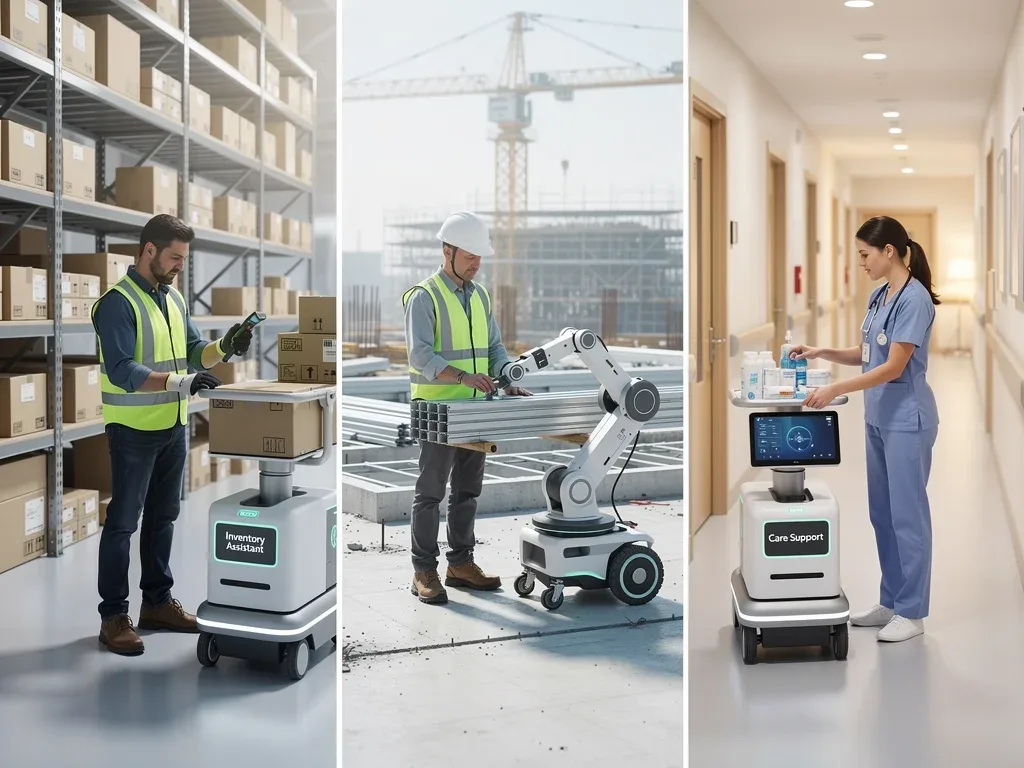
Robotics is augmenting over 500,000 frontline roles this year, fundamentally reshaping industries by enhancing the capabilities of deskless workers and driving unprecedented operational efficiencies.
The landscape of work is undergoing a profound transformation, particularly for those on the front lines. This year, it's projected that deskless workers and robotics will see a significant integration, with an estimated 500,000 frontline roles being augmented by robotic technologies. How is this integration unfolding, and what does it mean for the future of various industries?
The Rise of Robotics in Frontline Operations
The integration of robotics into frontline operations marks a pivotal shift in how industries approach labor, productivity, and safety. Far from replacing human workers, these advanced systems are designed to enhance capabilities, taking on repetitive, dangerous, or physically demanding tasks. This augmentation frees up human talent to focus on more complex, strategic, and customer-centric activities.
For decades, automation has been a buzzword, but its practical application for deskless workers has often been limited to highly specialized manufacturing environments. Today, with advancements in artificial intelligence, machine learning, and sensor technology, robots are becoming more versatile, affordable, and easier to deploy. This accessibility is driving their widespread adoption across sectors that traditionally relied heavily on manual labor.
Defining Deskless Workers and Their Environments
Deskless workers constitute a vast segment of the global workforce, operating in environments ranging from factory floors and construction sites to hospitals, retail stores, and agricultural fields. They are the backbone of many industries, directly involved in producing goods, delivering services, and maintaining infrastructure. Their work often involves physical exertion, dynamic problem-solving, and direct interaction with the physical world.
- Manufacturing: Assembly lines, quality control, material handling.
- Logistics and Warehousing: Picking, packing, sorting, inventory management.
- Healthcare: Patient transport, surgical assistance, sanitation.
- Retail: Inventory replenishment, customer assistance, cleaning.
- Construction: Site preparation, heavy lifting, inspection.
The environments these workers inhabit are diverse and often unpredictable, posing challenges that traditional, fixed-arm robots struggled to address. However, modern robotics, particularly collaborative robots (cobots) and autonomous mobile robots (AMRs), are built with adaptability and human-robot interaction in mind, making them ideal for these dynamic settings. This adaptability is crucial for successful integration, ensuring that robots can operate safely and effectively alongside their human counterparts without requiring extensive infrastructure overhauls.
The growing presence of robotics in these sectors is not merely about cost-cutting; it's about creating more resilient, efficient, and safer workplaces. By offloading monotonous or hazardous tasks, companies can improve employee satisfaction, reduce injury rates, and reallocate human capital to areas where critical thinking, empathy, and complex decision-making are paramount. This strategic re-evaluation of roles is at the heart of the current augmentation trend.
Enhancing Productivity and Efficiency with Robotic Assistance
One of the most immediate and tangible benefits of integrating robotics into deskless work is the significant boost in productivity and operational efficiency. Robots can perform tasks with greater speed, precision, and consistency than humans, especially for repetitive actions. This capability translates directly into higher output, reduced errors, and optimized workflows across various industries.
Consider the logistics sector, where the demand for faster delivery and accurate order fulfillment is ever-increasing. Autonomous mobile robots (AMRs) can navigate complex warehouse layouts, transport goods, and assist with inventory management, drastically cutting down on the time and effort traditionally spent on these tasks by human workers. This allows human employees to focus on more intricate tasks like quality control, specialized packing, or customer service, where their unique skills are best utilized.
Case Studies in Productivity Gains
Numerous companies have already reported substantial productivity gains through robotic augmentation. In manufacturing, cobots work alongside humans on assembly lines, performing tasks like welding, screwing, or precise component placement. This collaboration not only speeds up the production process but also reduces the physical strain on workers, leading to fewer errors and higher quality products.
- Automotive Industry: Robots handle heavy lifting and repetitive welding, speeding up vehicle assembly.
- Electronics Manufacturing: Precision robots place tiny components, ensuring accuracy and reducing defects.
- Food Processing: Robots can sort, package, and even prepare food items, maintaining hygiene and consistency.
The impact extends beyond sheer speed. Robots can operate continuously without breaks, extending operational hours and maximizing facility utilization. This non-stop capability is particularly valuable in industries with tight deadlines or high-volume demands. The data collected by these robots also provides valuable insights into operational bottlenecks and areas for further optimization, leading to continuous improvement cycles. This data-driven approach to efficiency is a cornerstone of modern industrial practices.
Ultimately, the goal is not to replace human ingenuity but to amplify it. By automating the mundane and physically taxing aspects of work, companies empower their human employees to engage in more value-added activities, fostering innovation and improving overall job satisfaction. The synergy between human intelligence and robotic precision creates a more dynamic and productive work environment, setting new benchmarks for operational excellence.
Improving Safety and Ergonomics for Frontline Workers
Beyond productivity, a critical driver for robotic adoption in deskless roles is the profound improvement in workplace safety and ergonomics. Many frontline jobs involve inherent risks, from heavy lifting and exposure to hazardous materials to repetitive motions that can lead to musculoskeletal injuries. Robots are ideally suited to mitigate these dangers, creating healthier and safer environments for human workers.
Tasks that pose significant risks to humans, such as operating in extreme temperatures, handling toxic substances, or working at heights, can be safely delegated to robots. This not only prevents accidents but also reduces long-term health issues associated with physically demanding labor. For instance, in construction, drones can conduct inspections of high structures, eliminating the need for humans to perform dangerous climbs.
Reducing Physical Strain and Injuries
Repetitive strain injuries (RSIs) and musculoskeletal disorders (MSDs) are common in many deskless professions. Robots can take over tasks that involve constant repetition, heavy lifting, or awkward postures, thereby significantly reducing the physical toll on workers' bodies. This ergonomic improvement leads to a decrease in worker compensation claims, fewer lost workdays, and a more engaged workforce.
- Warehouse Operations: Exoskeletons and lifting robots assist with heavy loads, preventing back injuries.
- Healthcare: Robotic patient lifters reduce strain on nurses and caregivers.
- Manufacturing: Cobots perform precise, repetitive assembly tasks, minimizing human exposure to repetitive motion.
The implementation of robotics also allows for better adherence to safety protocols. Robots can be programmed to follow strict guidelines, detect anomalies, and react to potential hazards faster than humans. This proactive safety measure is invaluable in environments where even minor deviations can lead to serious incidents. The continuous monitoring and consistent execution by robots contribute to a more predictable and controlled work environment, which is inherently safer.
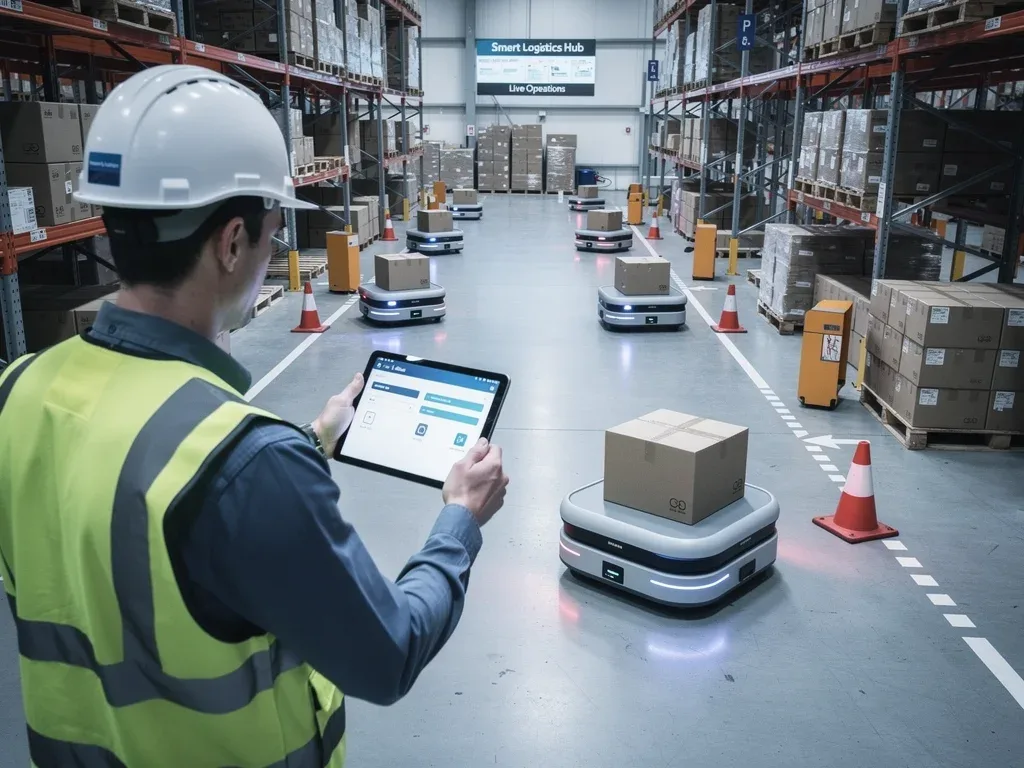
Furthermore, the data collected by safety-aware robots can be analyzed to identify recurring risks and implement preventive measures. This data-driven approach to safety management is a powerful tool for continuous improvement, allowing organizations to evolve their safety protocols based on real-world operational insights. Ultimately, the integration of robotics transforms hazardous jobs into supervisory roles, where human workers manage and optimize robotic operations, enhancing both their safety and their skill sets.
Reskilling and Upskilling the Deskless Workforce
The introduction of robotics into frontline roles necessitates a significant focus on reskilling and upskilling the existing workforce. As robots take over manual or repetitive tasks, human workers are transitioning into roles that require new competencies, such as robot operation, maintenance, programming, and data analysis. This evolution presents both a challenge and a tremendous opportunity for career growth and development.
Companies are investing in comprehensive training programs to equip their employees with the skills needed to thrive in an augmented work environment. These programs often combine classroom learning with hands-on experience, ensuring that workers are comfortable and proficient in collaborating with robotic systems. The goal is to transform traditional roles into more technically advanced and intellectually stimulating positions.
New Roles and Training Initiatives
The shift towards robotic augmentation is creating entirely new job categories and redefining existing ones. Workers who once performed purely manual tasks are now becoming robot technicians, data analysts, and automation specialists. This transition requires a proactive approach to education and training, often in partnership with educational institutions and technology providers.
- Robot Operator: Managing and monitoring robotic fleets.
- Maintenance Technician: Diagnosing and repairing robotic systems.
- Automation Specialist: Designing and implementing robotic workflows.
Many organizations are recognizing that successful robotic integration hinges on their human capital's ability to adapt. Therefore, they are establishing internal academies, providing online courses, and offering certifications in robotics and automation. This investment not only ensures a smooth transition but also fosters a culture of continuous learning and innovation within the organization. The focus is on empowering workers to embrace technology rather than fear it, positioning them as essential partners in the digital transformation.
Moreover, the development of these new skills can lead to higher-paying jobs and enhanced career prospects for deskless workers. By mastering advanced technologies, they become more valuable assets to their organizations and gain a competitive edge in the evolving job market. This emphasis on human development alongside technological advancement ensures that the benefits of robotics are shared, leading to a more skilled, adaptable, and resilient workforce capable of navigating the complexities of the future of work.
Challenges and Ethical Considerations in Robotic Augmentation
While the benefits of integrating robotics into deskless work are clear, the path is not without its challenges and ethical considerations. Implementing new technologies on a large scale requires careful planning, significant investment, and a thorough understanding of both the technical and human aspects involved. Addressing these issues proactively is crucial for successful and equitable adoption.
One primary concern revolves around the initial cost of robotics and the complexity of integration. Small and medium-sized businesses might find the upfront investment prohibitive, and integrating robots into existing legacy systems can be technically challenging. Furthermore, ensuring seamless interoperability between different robotic platforms and existing operational software requires specialized expertise.
Addressing Job Displacement Fears and Ethical Dilemmas
Perhaps the most significant challenge is the fear of job displacement. While the current trend emphasizes augmentation, some workers naturally worry about robots taking their jobs entirely. Clear communication, robust reskilling programs, and a focus on creating new, higher-value roles are essential to mitigate these anxieties and ensure a just transition for the workforce.
- Data Privacy: Robots collect vast amounts of data; ensuring its ethical use and protection is paramount.
- Algorithmic Bias: Ensuring AI algorithms controlling robots are fair and unbiased.
- Human-Robot Interaction: Designing interfaces that are intuitive and safe for human collaboration.
Ethical considerations also extend to the design and deployment of robotic systems. Questions about accountability in case of accidents, the potential for surveillance, and the impact on human dignity need to be thoroughly addressed. Developing clear regulatory frameworks and industry standards will be vital to guide the responsible development and use of robotics. Stakeholders, including policymakers, industry leaders, labor unions, and ethicists, must collaborate to establish guidelines that promote both innovation and human well-being.
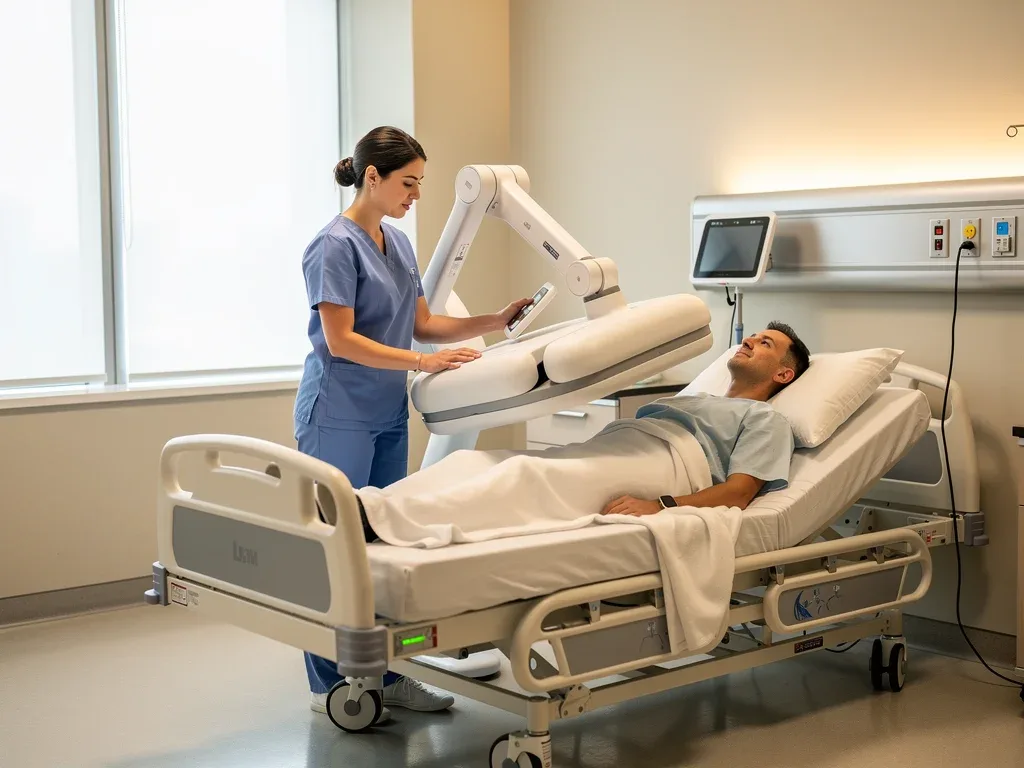
The successful integration of robotics requires a holistic approach that considers not just technological capabilities but also the societal and human implications. By fostering transparency, promoting ethical design, and investing in human capital, industries can navigate these challenges and harness the full potential of robotic augmentation to create a more prosperous and equitable future of work.
The Future Outlook: Scaling Robotic Augmentation
Looking ahead, the trend of augmenting deskless workers with robotics is set to accelerate, with projections indicating even greater adoption rates in the coming years. The initial success stories in productivity, safety, and workforce development are paving the way for broader implementation across an even wider array of industries. The technological advancements are continuous, making robots more intelligent, adaptive, and capable of performing more complex tasks.
We can anticipate a future where robots are not just tools but integral parts of the operational fabric, seamlessly collaborating with humans in virtually every frontline role. This scaling will be driven by further reductions in cost, increased ease of deployment, and the development of more sophisticated AI that allows robots to learn and adapt to dynamic environments with minimal human intervention.
Emerging Trends and Broader Impact
Several emerging trends will shape the future of robotic augmentation. The development of general-purpose robots, capable of performing a variety of tasks rather than being limited to a single function, will significantly increase their versatility. Furthermore, advancements in human-robot interface design will make interaction more intuitive and natural, enhancing collaboration.
- AI-Powered Robotics: Enhanced decision-making and adaptability for robots.
- Cloud Robotics: Centralized control and data sharing for large robotic fleets.
- Robotics-as-a-Service (RaaS): Lowering entry barriers for businesses through subscription models.
The broader impact of this scaling will be felt across economies. Enhanced productivity will contribute to economic growth, while improved working conditions will lead to a healthier and more engaged workforce. The shift towards higher-skilled roles will also necessitate ongoing investment in education and lifelong learning, transforming the very nature of career progression. This dynamic environment will require continuous adaptation from both businesses and individuals.
Ultimately, the future outlook for deskless workers and robotics is one of profound synergy. The goal is to create a future where technology serves humanity, making work more fulfilling, safer, and more productive. By embracing these changes, industries can unlock unprecedented levels of efficiency and innovation, ensuring a competitive edge in the global marketplace. The journey of augmentation is just beginning, promising a revolutionary impact on the world of work.
| Key Aspect | Brief Description |
|---|---|
| Augmentation Trend | Robotics are augmenting 500,000 frontline roles this year, enhancing human capabilities rather than replacing them. |
| Productivity Boost | Robots increase speed, precision, and consistency, leading to higher output and optimized workflows in various sectors. |
| Safety Enhancement | Robots take on hazardous and repetitive tasks, significantly reducing workplace injuries and improving ergonomics. |
| Workforce Reskilling | New skills in robot operation, maintenance, and data analysis are crucial, driven by company training programs. |
Frequently Asked Questions About Robotics and Deskless Workers
How are robots augmenting deskless workers, not replacing them?▼Robots are primarily tasked with repetitive, physically demanding, or dangerous jobs, freeing human deskless workers to focus on more complex problem-solving, strategic thinking, and tasks requiring emotional intelligence or fine motor skills that robots cannot yet replicate effectively. This collaboration enhances overall productivity and job satisfaction.
Which industries are seeing the most significant robotic augmentation?▼Industries such as manufacturing, logistics and warehousing, healthcare, and retail are experiencing significant robotic augmentation. These sectors often involve tasks that benefit greatly from robotic precision, speed, and endurance, leading to improved efficiency and safety for frontline employees.
What new skills do deskless workers need for robotic collaboration?▼Deskless workers will increasingly need skills in robot operation, monitoring, basic maintenance, and data interpretation. Training programs focus on human-robot interaction, troubleshooting, and understanding automation workflows, transforming traditional roles into more technically advanced and supervisory positions.
Are there ethical concerns regarding robotics in the workplace?▼Yes, ethical concerns include potential job displacement, data privacy with robot-collected information, and algorithmic bias in AI-driven systems. Addressing these requires transparent communication, robust reskilling initiatives, and the development of clear regulatory frameworks to ensure responsible and equitable adoption.
How does robotic augmentation improve workplace safety?▼Robots can perform tasks in hazardous environments, handle heavy loads, and execute repetitive motions, significantly reducing human exposure to risks like injuries, extreme temperatures, or toxic substances. This improves ergonomics, lowers accident rates, and creates a safer working environment for deskless employees.
Conclusion
The integration of robotics with deskless workers represents a transformative era for industries worldwide. With 500,000 frontline roles projected to be augmented this year, the synergy between human capabilities and robotic precision is unlocking unprecedented levels of productivity, enhancing workplace safety, and fostering a new wave of skill development. While challenges related to investment and ethical considerations persist, proactive strategies for reskilling, clear communication, and responsible technology deployment are paving the way for a future where technology empowers, rather than displaces, the human workforce. This ongoing evolution promises not just more efficient operations, but also more fulfilling and secure careers for the backbone of our economy.
