Micro-Retirements vs. 40-Year Careers: Shifting to Phased Sabbaticals
Advertisements

One in three knowledge workers are now opting for micro-retirements and phased sabbaticals, moving away from the traditional 40-year career model to prioritize well-being, skill development, and personal fulfillment in an evolving professional landscape.
The traditional career path, a linear 40-year march towards a single retirement, is rapidly becoming a relic of the past. Today, a significant shift is underway, with a growing number of knowledge workers embracing what are known as micro-retirements phased sabbaticals. This evolving paradigm suggests a future where professional life is punctuated by intentional breaks, offering rejuvenation and skill diversification, rather than a continuous, unbroken stretch of employment.
The End of the Traditional 40-Year Career Model
The notion of working diligently for four decades, saving meticulously, and then finally enjoying a golden age of leisure is deeply ingrained in many cultures. However, the realities of modern work, coupled with changing societal values, are challenging this long-held ideal. Knowledge workers, in particular, are finding that the relentless pace of innovation and the demand for continuous upskilling make a singular, extended career unsustainable without periodic respite.
This traditional model often led to burnout, a lack of personal fulfillment, and missed opportunities for exploration outside of professional life. The pressure to maintain a steady career trajectory without interruption can be immense, leading to mental health challenges and a sense of being trapped. As a result, many are seeking alternative pathways that offer greater flexibility and better integration of life and work.
Drivers of Change in Career Paths
Several factors contribute to this paradigm shift. The rise of the gig economy, the increasing acceptance of remote work, and a greater emphasis on mental health and well-being have all played a role. Furthermore, younger generations entering the workforce often prioritize experiences and personal growth over rigid career structures.
- Technological Advancements: Automation and AI necessitate continuous learning, making short breaks for skill acquisition valuable.
- Remote Work Flexibility: The ability to work from anywhere facilitates longer travel or personal projects during career breaks.
- Mental Health Awareness: A heightened understanding of burnout drives the need for regular periods of rest and rejuvenation.
- Desire for Personal Growth: Individuals seek opportunities to pursue passions, volunteer, or engage in creative endeavors outside of their primary profession.
The traditional career model, while providing stability, often lacked the agility required in today's fast-evolving landscape. The shift towards micro-retirements and phased sabbaticals reflects a collective desire for a more human-centered approach to professional life, recognizing that sustained productivity and innovation often stem from well-rested and continuously learning individuals.
Defining Micro-Retirements and Phased Sabbaticals
To fully grasp this evolving trend, it's crucial to understand what micro-retirements and phased sabbaticals truly entail. These are not merely extended vacations but structured periods away from primary employment, designed with specific goals in mind, whether personal development, skill acquisition, or simply profound rest.
A micro-retirement can be thought of as a short, intentional break from work, typically lasting from a few weeks to a few months. Unlike a traditional sabbatical, which might be company-sponsored and tied to long service, micro-retirements are often self-initiated and funded. They allow individuals to disconnect, recharge, or pursue a passion project without the expectation of returning to the exact same role or company immediately.
The Nuances of Phased Sabbaticals
Phased sabbaticals, on the other hand, represent a more gradual approach. Instead of a complete cessation of work, an individual might transition to a reduced workload, take several shorter breaks throughout the year, or engage in project-based work that allows for significant downtime between engagements. This model offers flexibility, allowing workers to maintain some income or professional connection while still enjoying the benefits of a break.
- Duration: Micro-retirements typically range from 1 month to 3 months; phased sabbaticals involve recurring shorter breaks or reduced hours.
- Purpose: Can include travel, learning new skills, volunteering, creative pursuits, or simply deep rest.
- Funding: Often self-funded through savings, but some progressive companies offer sabbatical programs.
- Return to Work: Micro-retirements may involve a job search post-break; phased sabbaticals often imply returning to the same employer or client base.
Both concepts share a common thread: the rejection of an uninterrupted career trajectory. They emphasize the importance of periodic disengagement to foster holistic well-being and sustained professional relevance. This intentional pause allows for reflection, skill diversification, and a renewed sense of purpose, combating the chronic stress often associated with long-term, high-pressure careers.
Why Knowledge Workers Are Making the Shift
The move towards micro-retirements and phased sabbaticals among knowledge workers is not a fleeting trend but a strategic response to the demands of modern professional life. The motivations are multifaceted, blending a desire for personal well-being with practical career advantages.
One primary driver is the pursuit of genuine work-life balance. For many, the traditional 9-to-5, or often 9-to-whenever, work culture has led to an unsustainable blurring of personal and professional boundaries. Micro-retirements offer a chance to reclaim personal time, invest in relationships, and engage in activities that bring joy and meaning, often neglected during intense work periods.

Benefits Beyond Burnout Prevention
While preventing burnout is a significant factor, the benefits extend much further. These breaks provide invaluable opportunities for skill development and career pivot. In rapidly evolving industries, taking time off to learn a new programming language, pursue an advanced certification, or even explore an entirely new field can be more beneficial than continuously working in an outdated role.
- Reduced Burnout: Regular breaks prevent chronic stress and improve mental health.
- Skill Acquisition: Dedicated time for learning new technologies or soft skills.
- Career Re-evaluation: Space to reflect on career goals and potentially pivot to new directions.
- Enhanced Creativity: Disconnecting from daily tasks often sparks innovative ideas and problem-solving abilities.
- Increased Life Satisfaction: Greater freedom to pursue personal interests and travel.
Furthermore, these periods can foster a deeper sense of self-awareness and personal growth. Stepping away from the professional identity allows individuals to explore other facets of their personality and discover new strengths. This holistic development ultimately makes them more resilient, adaptable, and valuable employees or entrepreneurs in the long run. The shift signifies a growing understanding that continuous productivity is not always linear and often benefits from strategic pauses.
The Impact on Companies and the Economy
The widespread adoption of micro-retirements and phased sabbaticals has significant implications not just for individuals, but for companies and the broader economy. While some employers might initially view these trends with apprehension, forward-thinking organizations are recognizing the potential benefits.
For companies, embracing these flexible models can lead to a more engaged, loyal, and innovative workforce. Employees who feel supported in their pursuit of well-being and personal growth are more likely to be satisfied with their jobs and less prone to turnover. This can translate into reduced recruitment costs and a stronger organizational culture.
Challenges and Opportunities for Employers
However, implementing such policies requires careful planning. Companies must develop robust systems for knowledge transfer, cross-training, and project management to ensure operational continuity during employee absences. The initial investment in these systems can be substantial, but the long-term gains in employee retention and productivity often outweigh the costs.
- Talent Attraction: Companies offering flexible sabbatical policies become more attractive to top talent.
- Reduced Turnover: Employees are less likely to leave if they can take periodic breaks.
- Innovation Boost: Well-rested employees often return with fresh perspectives and creative solutions.
- Knowledge Transfer: Requires robust systems for colleagues to cover absent employees.
- Productivity Spikes: Employees returning from breaks often exhibit higher levels of engagement and productivity.
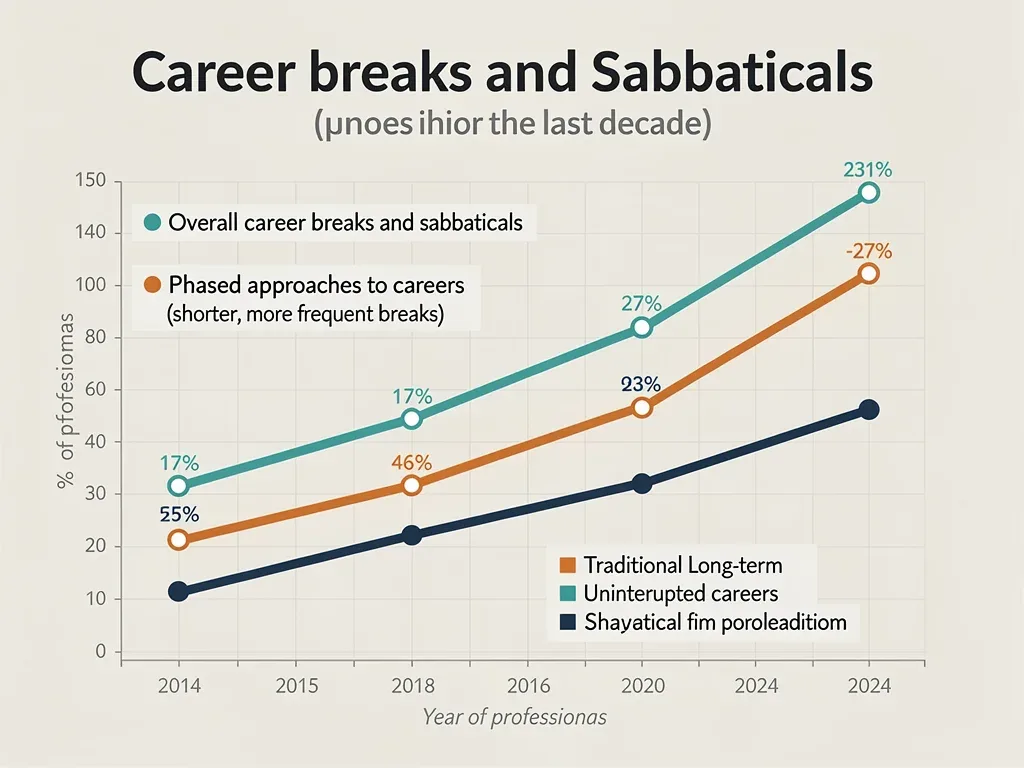
Economically, this trend could lead to a more dynamic workforce, with individuals constantly upskilling and bringing diverse experiences back into the labor market. It could also stimulate sectors like travel, education, and wellness, as individuals invest in their personal development during their breaks. The challenge lies in creating a supportive ecosystem where both employees and employers can thrive within this new framework, moving away from rigid structures towards adaptive and resilient work models.
Planning Your Own Micro-Retirement or Phased Sabbatical
For knowledge workers inspired by this trend, planning a micro-retirement or phased sabbatical requires careful consideration and strategic execution. It's not a spontaneous decision but one that benefits from thorough preparation to ensure a smooth transition and maximum benefit.
The first step involves financial planning. Since many of these breaks are self-funded, building a robust savings fund is paramount. This includes estimating living expenses during the break, potential travel costs, and any educational investments. Creating a realistic budget will provide peace of mind and allow for a truly rejuvenating experience without financial stress.
Key Steps for a Successful Break
Beyond finances, consider the purpose of your break. Is it for skill development, personal exploration, or pure relaxation? Defining your objectives will help structure your time and ensure you achieve what you set out to do. Communication with your employer is also critical; a well-prepared proposal outlining your plans and how you will ensure continuity can significantly increase the chances of approval, especially for phased sabbaticals.
- Financial Preparation: Build a savings cushion to cover expenses during your time off.
- Define Your Goals: Clearly articulate what you want to achieve during your break (e.g., learning, travel, rest).
- Employer Communication: Discuss your plans early and propose solutions for your absence.
- Skill Development Plan: Identify specific skills or courses you wish to pursue.
- Re-entry Strategy: Consider how you will reintegrate into work or seek new opportunities post-break.
Networking and maintaining professional connections during your break can also be beneficial, particularly if you are considering a career change or seeking new opportunities upon your return. A well-planned micro-retirement or phased sabbatical can be a transformative experience, offering a unique opportunity to reset, refocus, and return to your career with renewed vigor and enhanced capabilities.
The Future of Work: A Blended Approach
The evolving landscape of work suggests that the future will increasingly embrace a blended approach, where traditional continuous employment is interspersed with intentional breaks. This hybrid model recognizes the human need for rest, growth, and exploration, while also valuing productivity and professional contribution.
We are likely to see more companies integrating sabbatical programs into their employee benefits, moving beyond the traditional long-service reward to offering more frequent, shorter breaks as a standard part of their talent retention strategy. This proactive approach will help employers attract and retain top talent who prioritize work-life integration.
Adaptation and Innovation in the Workforce
Furthermore, the concept of a 'career ladder' may transform into a 'career lattice,' where movement is not just upward but also lateral, allowing for periods of learning and exploration. This fluidity will enable individuals to adapt to changing industry demands and remain relevant throughout their professional lives. The emphasis will shift from continuous presence to continuous value creation, which can often be enhanced by periodic detachment.
- Company Sabbatical Programs: More widespread adoption of company-sponsored breaks.
- Flexible Work Arrangements: Greater integration of remote work, reduced hours, and project-based roles.
- Lifelong Learning: Breaks become crucial for continuous upskilling and reskilling.
- Personalized Career Paths: Individuals design careers that align with their personal values and life stages.
- Focus on Well-being: Prioritizing employee mental and physical health as a core business strategy.
Ultimately, the future of work is not about abandoning careers but about reimagining them. Micro-retirements phased sabbaticals are not just a trend but a fundamental re-evaluation of what a fulfilling and sustainable professional life looks like. They represent a powerful tool for individuals to navigate the complexities of the modern world, ensuring they remain engaged, innovative, and personally fulfilled throughout their working lives.
| Key Point | Brief Description |
|---|---|
| Shift from 40-Year Career | Knowledge workers are moving away from linear careers to embrace periodic breaks. |
| Micro-Retirements Defined | Short, intentional breaks (weeks to months) for personal growth, rest, or skill acquisition. |
| Phased Sabbaticals | Gradual breaks with reduced workload or project-based work, maintaining some connection. |
| Benefits for Workers & Companies | Reduces burnout, enhances skills, boosts innovation, and improves talent retention. |
Frequently Asked Questions About Micro-Retirements
What exactly is a micro-retirement?▼A micro-retirement is a short, intentional break from work, typically lasting from a few weeks to a few months. It's designed for rejuvenation, personal development, or pursuing passions, offering a taste of retirement benefits without permanently leaving the workforce.
How do phased sabbaticals differ from traditional sabbaticals?▼Phased sabbaticals involve a gradual reduction in work or shorter, more frequent breaks, allowing some professional connection. Traditional sabbaticals are often longer, company-sponsored, and imply a complete, albeit temporary, cessation of work, usually after many years of service.
What are the main benefits for knowledge workers?▼Knowledge workers benefit from reduced burnout, enhanced mental well-being, opportunities for skill acquisition, career re-evaluation, and increased life satisfaction. These breaks foster creativity and personal growth, leading to a more fulfilling professional journey.
Are companies open to these types of career breaks?▼Increasingly, yes. Forward-thinking companies recognize that supporting employee well-being and growth through flexible breaks can lead to higher talent retention, improved productivity, and a more innovative workforce. It requires careful planning and communication.
How can one plan for a micro-retirement financially?▼Financial planning is crucial. Start by building a dedicated savings fund to cover living expenses, travel, and any educational costs during your break. Create a realistic budget and consider income-generating activities during phased sabbaticals to ease the financial burden.
Conclusion
The shift from traditional 40-year careers to models incorporating micro-retirements phased sabbaticals marks a significant evolution in the professional landscape. This change reflects a growing understanding that sustained productivity, innovation, and personal well-being are not mutually exclusive but deeply interconnected. As individuals prioritize holistic growth and companies seek to attract and retain top talent, these flexible career breaks are becoming an integral part of the future of work. Embracing this blended approach allows knowledge workers to navigate the complexities of the modern world, ensuring they remain engaged, innovative, and personally fulfilled throughout their working lives.
