DTC Shakeup: 70% Brands Pivot to Wholesale Amid Soaring CAC
Advertisements
The Direct-to-Consumer (DTC) model is undergoing a significant transformation, with 70% of brands now integrating wholesale partnerships due to a staggering 45% increase in customer acquisition costs, forcing a strategic re-evaluation of growth strategies.
The landscape of modern commerce is constantly shifting, and a significant trend is emerging: the Direct-to-Consumer Shakeup: 70% of DTC Brands Pivot to Wholesale Partnerships as Customer Acquisition Costs Spike 45%. This dramatic shift signals a critical re-evaluation of business models that once promised boundless growth through direct engagement alone. What does this mean for the future of retail?
The Rise and Challenge of the DTC Model
The Direct-to-Consumer (DTC) model revolutionized retail by enabling brands to connect directly with customers, bypassing traditional intermediaries. This approach fostered deeper relationships, offered greater control over branding and pricing, and initially promised lower operational costs. For years, it was seen as the golden standard for agile, customer-centric businesses looking to disrupt established markets. Brands like Warby Parker, Casper, and Glossier became household names, celebrated for their innovative approaches and strong community building.
However, the very advantages that propelled DTC brands to prominence have begun to present significant challenges. The digital marketing ecosystem, once a fertile ground for cost-effective customer acquisition, has become increasingly saturated and expensive. As more brands entered the DTC space, competition for consumer attention intensified, leading to a dramatic escalation in advertising spend. This phenomenon is precisely why many are observing a significant shift in strategy.
Initial DTC Appeal: Direct Connection and Control
- Brand Storytelling: DTC allowed brands to tell their unique story directly to consumers, fostering strong emotional connections.
- Customer Data: Direct sales provided invaluable first-party data, enabling personalized marketing and product development.
- Higher Margins: Bypassing wholesalers and retailers theoretically led to better profit margins.
- Agility: The ability to quickly respond to market feedback and pivot product offerings was a key advantage.
While these benefits remain attractive, the reality of scaling a DTC business in an increasingly competitive digital world has proven more complex than anticipated. The initial allure of low barriers to entry has given way to a high-stakes battle for visibility and customer loyalty, fundamentally altering the economic calculus for many direct-to-consumer companies. The dream of infinite scale through digital channels alone is now being tempered by economic realities.
The early 2020s saw a massive influx of brands adopting the DTC model, fueled by accessible e-commerce platforms and sophisticated digital advertising tools. This era, while transformative, also laid the groundwork for the current predicament. The ease of entry eventually led to an overcrowded market, where differentiation became harder and the cost of cutting through the noise became prohibitive. This historical context is crucial for understanding why so many brands are now exploring alternative growth avenues.
Spiraling Customer Acquisition Costs (CAC)
The most significant driver behind the DTC shakeup is the relentless surge in Customer Acquisition Costs (CAC). Data indicates a staggering 45% spike in CAC for many DTC brands, making it increasingly unsustainable to rely solely on digital channels for growth. This escalation isn't due to a single factor but a confluence of market forces that have collectively eroded the profitability of direct-to-consumer strategies.
One primary culprit is the evolving digital advertising landscape. Changes in privacy regulations, such as Apple's App Tracking Transparency framework, have made it harder for brands to target specific audiences effectively, reducing the efficiency of paid advertising. This means brands are spending more to reach fewer, less qualified leads. Additionally, the sheer volume of advertisers competing for ad space on platforms like Meta and Google has driven up bid prices, turning once-affordable channels into premium placements.
Factors Contributing to Rising CAC
- Privacy Changes: Stricter data privacy regulations limit targeting capabilities, increasing ad spend inefficiency.
- Platform Saturation: More brands competing for the same digital ad space drives up costs significantly.
- Ad Fatigue: Consumers are becoming desensitized to constant advertising, requiring more creative and expensive campaigns.
- Supply Chain Disruptions: Increased product costs and shipping expenses indirectly impact CAC by requiring higher marketing spend to maintain margins.
The increased cost of acquiring a new customer directly impacts a brand's bottom line. For many DTC companies, especially those selling lower-priced items, the lifetime value of a customer can no longer justify the expense of acquiring them through solely digital means. This economic reality is forcing a fundamental re-evaluation of growth strategies. Brands are realizing that simply pouring more money into digital ads is no longer a viable path to sustainable expansion, necessitating a search for more cost-effective and scalable alternatives.
The problem of rising CAC isn't just about spending more money; it's about diminishing returns on investment. Brands are finding that their marketing dollars are not translating into the same volume or quality of customer acquisitions as they once did. This necessitates a more diversified approach to growth, one that leverages multiple channels and strategies to mitigate the risks associated with an over-reliance on a single, increasingly expensive acquisition method. The current environment demands strategic agility and a willingness to adapt core business models.
The Strategic Pivot to Wholesale Partnerships
Faced with escalating CAC, a significant number of DTC brands—an estimated 70%—are strategically pivoting towards wholesale partnerships. This shift represents a return to a hybrid model, combining the strengths of direct-to-consumer engagement with the expansive reach and established infrastructure of traditional retail. Wholesale offers a compelling solution to many of the challenges plaguing pure-play DTC brands, primarily by diversifying customer acquisition channels and leveraging existing retail ecosystems.
Wholesale partnerships allow DTC brands to tap into new customer segments without incurring the high digital marketing costs associated with individual customer acquisition. By placing products in established retail stores, brands gain instant access to foot traffic and brand visibility that would be incredibly expensive to replicate online. This exposure acts as a powerful marketing tool, often introducing the brand to consumers who might not otherwise discover it through digital ads alone.

Benefits of Wholesale Integration
- Expanded Reach: Access to a broader customer base through existing retail networks.
- Reduced CAC: Retailers bear a portion of the marketing and customer acquisition burden.
- Enhanced Credibility: Presence in reputable stores can lend legitimacy and trust to emerging brands.
- Operational Efficiency: Leveraging retailer logistics and distribution can streamline supply chains.
This pivot is not merely a retreat from the DTC ideal but a sophisticated evolution. Many brands are adopting an omnichannel approach, where their direct-to-consumer channels complement and reinforce their wholesale presence. This means maintaining their online storefronts for direct engagement and data collection while using wholesale as a powerful amplification channel. The goal is to create a seamless customer experience across all touchpoints, whether online or in-store, maximizing brand exposure and sales opportunities.
The strategic integration of wholesale also provides a layer of resilience. By diversifying revenue streams, brands become less vulnerable to fluctuations in digital ad costs or changes in platform algorithms. This balanced approach allows for more sustainable growth, ensuring that the brand can continue to thrive even as the digital marketing landscape continues to evolve. It's about building a robust business model that can withstand external pressures and capitalize on multiple avenues for consumer engagement.
Rebalancing the Retail Ecosystem
The mass pivot of DTC brands to wholesale is fundamentally rebalancing the entire retail ecosystem. What was once seen as a disruptive force threatening traditional retail is now becoming an integral part of its evolution. This convergence creates a more dynamic and competitive marketplace, where both established retailers and nimble DTC brands stand to benefit from collaborative strategies. The lines between online and offline commerce are blurring, leading to innovative hybrid models.
For traditional retailers, partnering with popular DTC brands offers an injection of novelty and excitement. These brands often bring with them a loyal following and a fresh perspective on product design and marketing, attracting new demographics to brick-and-mortar stores. This helps retailers stay relevant in an increasingly digital world, offering unique products that differentiate them from competitors and providing compelling reasons for consumers to visit physical locations. It's a symbiotic relationship where both parties gain strategic advantages.
Impact on Traditional Retailers
- Increased Foot Traffic: DTC brands attract new customers to physical stores.
- Product Diversification: Access to innovative, trending products.
- Brand Buzz: Leveraging the marketing efforts and community of DTC partners.
- Competitive Edge: Differentiating inventory from mass-market offerings.
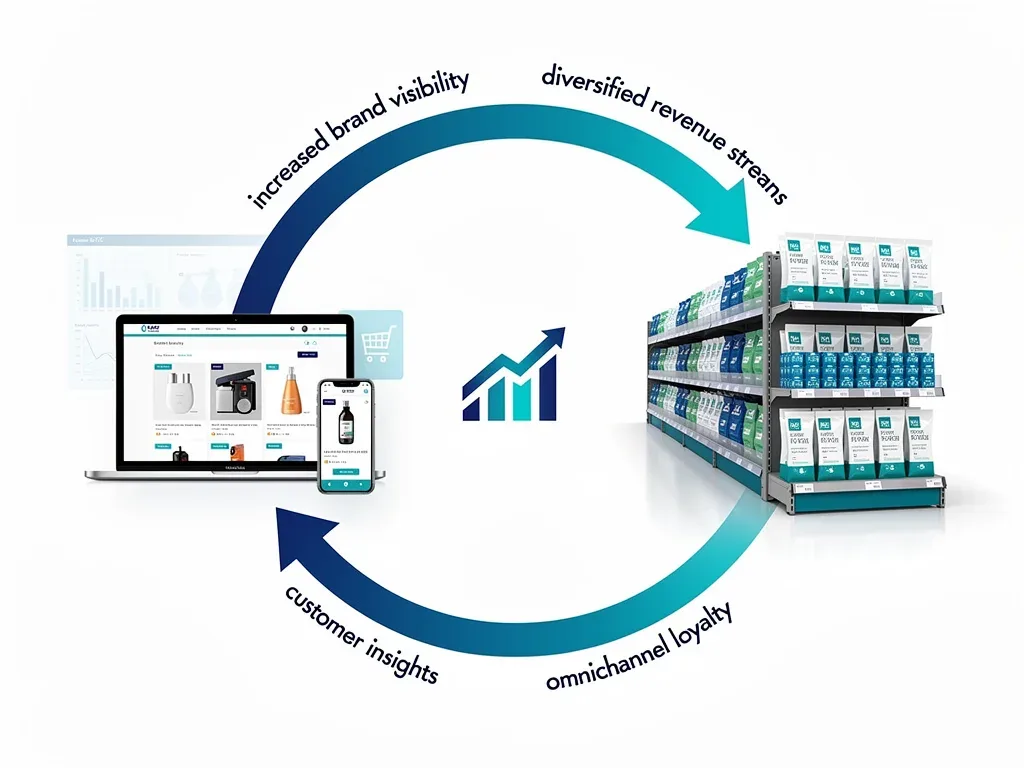
Conversely, DTC brands gain invaluable physical presence and credibility. Being featured in prominent retail chains signals a level of quality and trustworthiness that can be difficult to achieve solely online. This physical presence allows customers to touch, feel, and experience products firsthand, often converting hesitant online shoppers into loyal brand advocates. The visibility gained through retail partnerships also enhances brand recall and reinforces digital marketing efforts, creating a virtuous cycle of awareness and sales.
This rebalancing acts as a crucial feedback loop. Data collected from in-store sales can inform product development and marketing strategies for both the DTC channel and future wholesale endeavors. The combined insights from online and offline interactions provide a richer, more comprehensive understanding of consumer behavior. This holistic approach ensures that brands are not just selling products, but also continuously learning and adapting to the evolving needs and preferences of their target audience, solidifying their market position.
Operational Complexities and Strategic Integration
While the benefits of pivoting to wholesale are clear, the transition is not without its operational complexities. DTC brands, accustomed to direct control over every aspect of their customer journey, must now navigate the intricacies of B2B relationships, differing pricing structures, and larger-scale logistics. Successful integration requires careful planning and a willingness to adapt existing business processes to accommodate the demands of wholesale partners.
One of the primary challenges lies in managing inventory and supply chains. DTC brands typically optimize for direct-to-consumer fulfillment, which often involves smaller, more frequent shipments. Wholesale, however, demands larger bulk orders, consistent stock levels, and adherence to retailer-specific shipping and packaging guidelines. This necessitates significant adjustments to warehousing, inventory management systems, and logistics partnerships. Brands must ensure they can meet wholesale demands without compromising their direct fulfillment capabilities.
Key Considerations for Wholesale Integration
- Pricing Strategy: Developing wholesale pricing that allows for retailer margins while maintaining brand profitability.
- Logistics & Fulfillment: Adapting to bulk orders, retailer shipping requirements, and complex distribution networks.
- Sales & Account Management: Building dedicated teams for B2B relationships and order processing.
- Brand Consistency: Ensuring brand messaging and customer experience remain cohesive across all channels.
Another critical aspect is maintaining brand identity and customer experience. DTC brands pride themselves on their unique brand voice and personalized customer interactions. When entering wholesale, they must work closely with retailers to ensure that their brand story is communicated effectively and that the in-store experience aligns with their online presence. This often involves providing marketing materials, training retail staff, and carefully selecting partners whose values resonate with their own. The goal is to extend, not dilute, the brand experience.
Ultimately, successful strategic integration requires a clear understanding of the new operational landscape and a commitment to building strong, collaborative relationships with wholesale partners. It's about finding the right balance between maintaining direct customer engagement and leveraging the scale and reach of traditional retail. Brands that master this integration will be best positioned to thrive in the evolving, omnichannel retail environment, ensuring sustainable growth beyond the limitations of purely digital acquisition.
Future Outlook: A Hybrid Retail Landscape
The current DTC shakeup is not merely a temporary adjustment but a fundamental reshaping of the retail landscape towards a hybrid model. The future of commerce will likely be characterized by a fluid interplay between online and offline channels, where brands leverage the strengths of each to create a robust and resilient business. Pure-play DTC or traditional retail models will become increasingly rare, replaced by sophisticated omnichannel strategies that prioritize customer convenience and diversified growth avenues.
This hybrid future will see brands investing in seamless integration across all touchpoints. This means a customer might discover a product on Instagram, research it on the brand's DTC website, experience it in a retail store, and then purchase it online or offline. The journey will be less linear and more about providing consistent brand value and accessibility wherever the customer chooses to engage. Technology will play a crucial role in enabling this seamless experience, from unified inventory management systems to personalized marketing across channels.
Characteristics of the Hybrid Retail Future
- Omnichannel Experience: Consistent brand presence and service across all digital and physical touchpoints.
- Data-Driven Decisions: Leveraging integrated data from all channels for personalized strategies.
- Flexible Supply Chains: Agile logistics capable of supporting both direct and bulk fulfillment.
- Strategic Partnerships: Continued collaboration between brands and various retail partners.
Furthermore, the emphasis on customer loyalty and retention will intensify. As customer acquisition costs remain high, brands will increasingly focus on maximizing the lifetime value of existing customers. This involves superior post-purchase experiences, personalized communication, and community building, regardless of the initial purchase channel. The hybrid model allows for multiple opportunities to foster this loyalty, from exclusive online content to in-store events.
The brands that will thrive in this evolving environment are those that embrace adaptability and innovation. They will be the ones that can skillfully navigate the complexities of both direct and indirect sales channels, optimize their operational efficiencies, and consistently deliver exceptional value to their customers. The shift to wholesale partnerships is not an end but a critical step in the ongoing evolution of retail, paving the way for a more integrated, resilient, and customer-centric future.
Navigating the New Era of Consumer Engagement
As the retail landscape continues its profound transformation, navigating this new era of consumer engagement requires a strategic blend of agility, data-driven insights, and a deep understanding of evolving customer behaviors. The pivot from a purely DTC model to one that embraces wholesale partnerships is a testament to the dynamic nature of market forces, particularly the escalating costs of customer acquisition. Brands that succeed will be those that master the art of balancing direct connection with broad accessibility.
The focus moving forward must extend beyond merely acquiring new customers to nurturing lasting relationships. This involves leveraging the rich data gathered from direct channels to inform product development and personalize experiences, while simultaneously using wholesale partnerships to amplify brand reach and build trust through physical presence. The synergy between these approaches is key to establishing a resilient and scalable business model that can withstand future market shifts.
Strategies for Sustainable Growth
- Diversified Marketing Mix: Balance digital advertising with in-store promotions and brand collaborations.
- Data Unification: Integrate data from DTC and wholesale channels to create a holistic customer view.
- Brand Experience Consistency: Ensure a uniform and high-quality brand experience across all touchpoints.
- Operational Excellence: Invest in flexible supply chains and efficient inventory management for both models.
Ultimately, the new era of consumer engagement is about meeting customers where they are, whether that's on their social feeds, through search engines, or browsing the aisles of their favorite store. It’s about creating a cohesive and compelling brand narrative that resonates across all platforms and fosters genuine loyalty. The DTC wholesale pivot is not a step backward, but a strategic leap forward, signaling a more mature and sustainable approach to growth in an increasingly complex retail world.
Brands must also prioritize innovation in their product offerings and customer service. In a crowded market, differentiation is paramount. This means continuously refining products based on customer feedback, investing in sustainable practices, and offering exceptional support that transcends the purchase channel. By focusing on these core elements, brands can build a strong foundation for long-term success, ensuring that their growth is not just rapid, but also enduring and meaningful to their customer base.
| Key Trend | Brief Description |
|---|---|
| DTC Wholesale Pivot | 70% of Direct-to-Consumer brands are now integrating wholesale partnerships to expand reach and mitigate digital marketing costs. |
| Spiking CAC | Customer Acquisition Costs have risen by 45%, making purely digital growth unsustainable for many DTC brands. |
| Hybrid Retail Model | The future of retail is evolving towards a blend of online DTC and traditional physical retail channels for optimized growth. |
| Enhanced Credibility | Physical retail presence in established stores boosts brand trust and visibility for DTC companies. |
Frequently Asked Questions About the DTC Wholesale Pivot
Why are DTC brands pivoting to wholesale partnerships?▼DTC brands are increasingly pivoting to wholesale due to a significant rise in customer acquisition costs (CAC), which have spiked by 45%. Wholesale allows them to expand their reach, reduce marketing expenses, and leverage established retail infrastructures more efficiently.
What caused the spike in customer acquisition costs for DTC brands?▼The spike in CAC is primarily attributed to increased competition in digital advertising, changes in data privacy regulations limiting targeting effectiveness, and consumer ad fatigue. These factors make it more expensive to reach and convert new customers solely through digital channels.
How do wholesale partnerships benefit DTC brands?▼Wholesale partnerships offer DTC brands expanded reach to new customer segments, reduced CAC by sharing marketing burdens, enhanced brand credibility through physical store presence, and operational efficiencies by leveraging retailer logistics and distribution networks.
What challenges do DTC brands face when integrating wholesale?▼Challenges include adapting to B2B relationships, managing different pricing structures, scaling logistics for bulk orders, and maintaining brand consistency across diverse retail environments. It requires significant operational adjustments and strategic planning for successful integration.
What does the future of retail look like with this DTC pivot?▼The future of retail is moving towards a hybrid, omnichannel landscape. Brands will integrate online DTC and physical wholesale channels seamlessly, focusing on diversified customer engagement, data-driven decisions, and flexible supply chains to ensure sustainable growth and resilience.
Conclusion
The Direct-to-Consumer Shakeup: 70% of DTC Brands Pivot to Wholesale Partnerships as Customer Acquisition Costs Spike 45% marks a pivotal moment in modern retail. What began as a disruptive force has matured into a more complex, hybridized model, demonstrating the inherent adaptability required for sustained growth in today's dynamic market. The escalating costs of digital customer acquisition have compelled brands to re-evaluate their strategies, recognizing that an exclusive reliance on direct channels is no longer universally sustainable. By embracing wholesale, DTC brands are not abandoning their core values but rather augmenting them, leveraging the expansive reach and established trust of traditional retail while maintaining their direct connection with consumers. This strategic evolution points towards a future where seamless omnichannel experiences, informed by comprehensive data and supported by diversified distribution, will define success. The retail landscape is not just changing; it is integrating, forming a more resilient and customer-centric ecosystem where both digital innovation and physical presence play crucial, complementary roles. This shift is a testament to the ongoing evolution of commerce, emphasizing balance and strategic partnerships as key drivers for long-term prosperity.
