Optimize Accounts Receivable: Reduce DSO by 12 Days
Advertisements

Optimizing accounts receivable is crucial for business health, directly impacting cash flow and operational efficiency. Implementing strategic workflow adjustments can lead to a significant reduction in Days Sales Outstanding (DSO), typically by 12 days, enhancing financial stability and liquidity.
In today's dynamic business environment, effective cash flow management is paramount for survival and growth. One of the most critical areas for financial optimization lies within your accounts receivable processes. By focusing on optimizing accounts receivable, businesses can unlock substantial improvements in their financial health, directly impacting liquidity and operational stability. This article delves into proven workflow adjustments designed to significantly reduce Days Sales Outstanding (DSO) by an average of 12 days, providing actionable insights for immediate implementation.
understanding days sales outstanding (DSO) and its impact
Days Sales Outstanding (DSO) is a key metric that measures the average number of days it takes for a company to collect revenue after a sale has been made. A lower DSO indicates that a company is collecting its receivables more quickly, which directly improves its cash flow. Conversely, a high DSO can signal inefficiencies in the collection process, leading to cash flow shortages and potential financial strain.
The impact of DSO extends beyond mere cash flow. It affects a company's ability to invest in new opportunities, manage operational expenses, and even meet payroll. A prolonged collection cycle can tie up valuable working capital, hindering growth and increasing reliance on external financing. Therefore, understanding and actively managing DSO is not just an accounting task; it's a strategic imperative for any business aiming for sustained success.
calculating and interpreting DSO
Calculating DSO involves a simple formula, but its interpretation requires a nuanced understanding of industry benchmarks and internal trends. Regularly tracking this metric allows businesses to identify bottlenecks and measure the effectiveness of their accounts receivable strategies.
- DSO Formula: (Accounts Receivable / Total Credit Sales) * Number of Days in Period
- Industry Benchmarks: Compare your DSO to industry averages to gauge performance relative to competitors.
- Trend Analysis: Monitor DSO over time to identify improvements or deteriorations in collection efficiency.
- Impact on Working Capital: A high DSO means more capital is tied up in uncollected invoices, reducing available funds.
By dissecting DSO, companies gain invaluable insights into the health of their revenue cycle. A 12-day reduction, as targeted, can free up significant capital, allowing for reinvestment or debt reduction, ultimately strengthening the company's financial position.
proactive invoicing and payment terms strategies
The journey to reducing DSO begins even before an invoice is sent. Proactive strategies in invoicing and establishing clear payment terms are foundational to optimizing accounts receivable. Many collection issues stem from unclear expectations or delayed invoice delivery, making these initial steps critical for success.
Implementing best practices in invoicing ensures that clients receive accurate, easily understandable invoices promptly. This minimizes disputes and provides a clear path for timely payments. Additionally, carefully crafted payment terms can incentivize early payment and discourage late payments, setting the stage for a more efficient collection cycle.
streamlining invoice generation and delivery
Manual invoicing processes are prone to errors and delays. Automating this crucial step can drastically improve efficiency and accuracy, leading to faster payment cycles.
- Automated Invoicing: Utilize accounting software to generate and send invoices automatically upon service completion or product shipment.
- Electronic Delivery: Send invoices via email or a secure client portal, ensuring immediate receipt and reducing postal delays.
- Clear and Detailed Invoices: Ensure invoices clearly state the amount due, payment terms, due date, and accepted payment methods.
- Pre-payment Agreements: For new clients or large projects, consider requiring a deposit or partial pre-payment to mitigate risk.
Beyond automation, a clear and concise invoice design can also contribute to quicker payments. Avoid jargon, present information logically, and make the payment instructions prominent. This attention to detail reduces friction for the client, encouraging prompt settlement.
optimizing payment terms for faster collections
Payment terms are not static; they should be regularly reviewed and adjusted to align with business goals and client behavior. Offering incentives for early payment can be a powerful tool for accelerating cash flow.
Consider offering small discounts for payments received within a shorter timeframe, such as 2% off if paid within 10 days (2/10 net 30). While this reduces the total revenue slightly, the benefit of improved cash flow often outweighs the cost. Conversely, clearly defined late fees can act as a deterrent for overdue payments, encouraging clients to prioritize your invoices.
It's also essential to tailor payment terms to specific client segments. Long-standing, reliable clients might receive more flexible terms, while newer clients or those with a history of late payments could be subject to stricter conditions. This personalized approach can significantly impact collection speed.
implementing effective communication and follow-up protocols
Even with perfect invoicing and payment terms, timely collections often hinge on effective communication and a robust follow-up strategy. Many businesses lose out on prompt payments simply because they lack a systematic approach to reminding clients and addressing potential issues. Building strong client relationships through clear and consistent communication is key to optimizing accounts receivable.
Establishing well-defined protocols for when and how to follow up on outstanding invoices can dramatically reduce the time it takes to collect payments. This involves more than just sending automated reminders; it requires a strategic blend of technology and personalized interaction to address client needs and overcome payment obstacles.
automated reminders and personalized outreach
Leveraging technology for automated reminders ensures consistency, while personalized outreach addresses specific client concerns, fostering goodwill and encouraging payment.
- Scheduled Reminders: Set up automated email reminders to go out before, on, and after the invoice due date.
- Personalized Communication: For overdue accounts, transition from automated reminders to direct phone calls or personalized emails.
- Query Resolution: Empower your accounts receivable team to quickly resolve any invoice discrepancies or client questions.
- Relationship Building: Maintain positive relationships even during collection efforts; understanding client challenges can lead to flexible solutions.
The goal is to be persistent without being aggressive. A gentle reminder before the due date can prevent many invoices from becoming overdue. When an invoice does become overdue, a polite, problem-solving approach often yields better results than an immediate demand for payment. Understanding the client's perspective and offering solutions can expedite the payment process.
escalation procedures for persistent non-payment
While most clients pay eventually, some require a more structured escalation process. Having clear, internal guidelines for handling persistently overdue accounts is essential to prevent them from becoming bad debt.
This process should outline specific steps, from initial phone calls to formal demand letters and, if necessary, engaging collection agencies or legal action. Each step should be documented, and the client should be clearly informed of the escalating consequences. This transparency, coupled with a firm but fair approach, can often spur action from reluctant payers.
leveraging technology and automation for efficiency
In the modern business landscape, technology is an indispensable ally in the quest to optimize accounts receivable. Manual processes are not only time-consuming and prone to human error but also limit a company's ability to scale and adapt. Embracing automation can revolutionize the entire AR workflow, leading to significant reductions in DSO and operational costs.
From automated invoicing to advanced analytics, technological solutions provide the tools necessary to streamline operations, enhance accuracy, and gain deeper insights into payment behaviors. Investing in the right software can transform your AR department from a cost center into a strategic asset, directly contributing to improved financial performance.
accounts receivable automation software
Dedicated AR automation software can handle a multitude of tasks, freeing up your team to focus on more strategic activities, such as resolving complex payment issues and building client relationships.
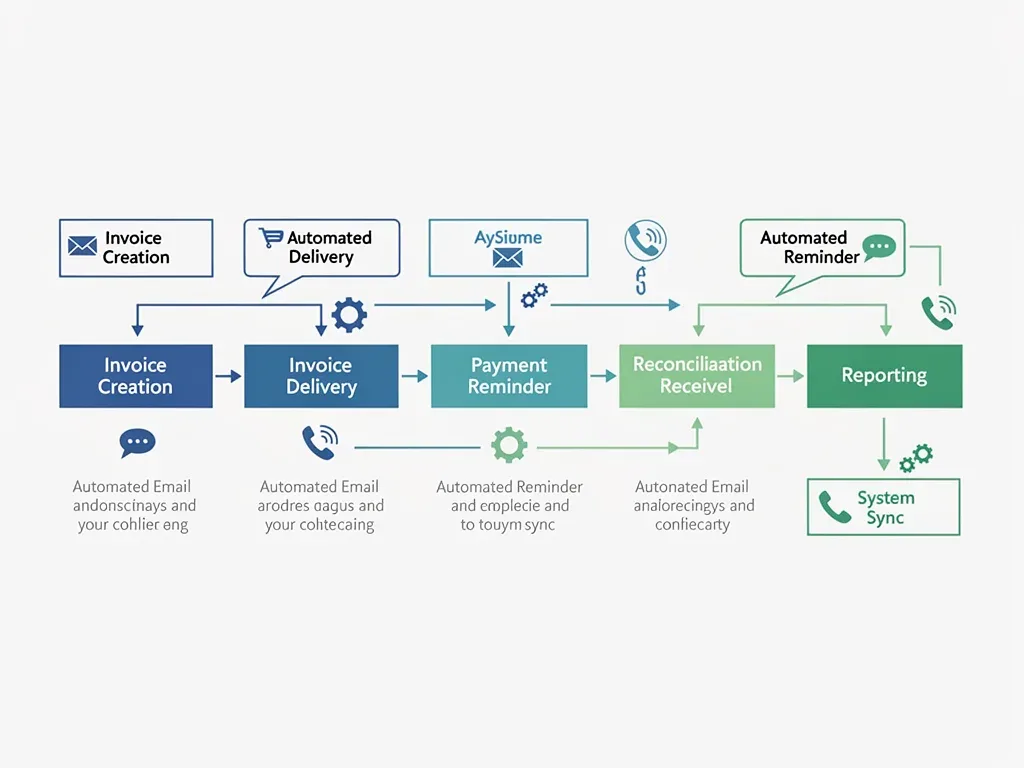
- Automated Invoicing and Reminders: Software can automatically generate and send invoices, as well as follow-up reminders based on predefined schedules.
- Payment Portals: Provide clients with a secure, easy-to-use portal for viewing invoices and making payments online.
- Cash Application: Automate the matching of incoming payments to outstanding invoices, reducing manual reconciliation efforts.
- Reporting and Analytics: Generate real-time reports on DSO, aging reports, and collection effectiveness, providing actionable insights.
The benefits of AR automation extend beyond just speed. It improves accuracy, reduces the likelihood of missed follow-ups, and provides a centralized system for all AR-related communications and documentation. This holistic approach ensures that no invoice falls through the cracks and that all collection efforts are tracked and optimized.
data analytics and predictive insights
Beyond basic automation, advanced data analytics can offer predictive insights into customer payment behavior, allowing for a more proactive and targeted approach to collections. By analyzing historical payment data, businesses can identify patterns and anticipate potential issues before they arise.
This includes identifying clients who are likely to pay late, understanding common reasons for payment delays, and even predicting the optimal time to send reminders for specific customer segments. Such insights enable AR teams to prioritize their efforts, focusing on high-risk accounts and tailoring their communication strategies for maximum effectiveness. Predictive analytics transforms AR from a reactive function into a proactive, data-driven strategy.
strengthening credit policies and customer onboarding
A robust accounts receivable strategy begins long before the first invoice is sent. It starts with carefully vetting potential clients and establishing clear credit policies during the customer onboarding process. Weak credit policies or insufficient customer screening can lead to a higher incidence of late payments and bad debt, directly impacting DSO.
By strengthening credit policies and refining the customer onboarding process, businesses can proactively mitigate risks associated with non-payment. This preventative approach minimizes the need for extensive collection efforts down the line, contributing significantly to optimizing accounts receivable and reducing DSO.
rigorous credit checks and risk assessment
Before extending credit, it's crucial to perform thorough credit checks and assess the financial health of potential clients. This helps in understanding their payment capacity and history.
- Credit Reports: Obtain comprehensive credit reports from reputable agencies to evaluate a client's creditworthiness.
- Financial Statements: Request and analyze financial statements for larger clients to assess their liquidity and solvency.
- Trade References: Contact other suppliers or partners to inquire about their payment experiences with the potential client.
- Risk Scoring: Implement an internal risk scoring system to categorize clients based on their payment risk profile.
Establishing clear credit limits based on these assessments is equally important. Avoid extending credit beyond a client's proven ability to pay, as this can quickly lead to uncollectible debt. Regular re-evaluation of credit limits for existing clients is also advisable, especially if there are changes in their financial situation or payment behavior.
clear and concise customer agreements
The customer onboarding process should include clear and comprehensive agreements that outline all payment terms, conditions, and consequences for late payments. Ambiguity in contracts often leads to disputes and delays.
Ensure that clients fully understand their payment obligations before any services are rendered or products delivered. This includes explaining payment schedules, accepted payment methods, late fees, and any early payment discounts. Having clients sign off on these terms provides a legal basis for collection efforts if disputes arise, and more importantly, sets clear expectations from the outset.
internal collaboration and continuous improvement
Optimizing accounts receivable is not solely the responsibility of the finance department; it's a company-wide effort that requires seamless internal collaboration. Sales, customer service, and operations teams all play a vital role in ensuring that invoices are accurate, services are delivered as promised, and customer issues are resolved promptly. A siloed approach often leads to breakdowns in the AR process, increasing DSO.
Furthermore, the accounts receivable landscape is constantly evolving. Continuous improvement, driven by regular analysis and adaptation, is essential to maintain low DSO levels and maximize cash flow. This involves ongoing training, process reviews, and a commitment to leveraging new tools and strategies.
fostering cross-departmental alignment
Effective communication and collaboration between departments can prevent many AR issues before they even begin. For example, sales teams should be aware of a client's credit standing, and customer service should be able to address billing inquiries.

- Sales and AR Integration: Ensure sales teams understand credit policies and communicate payment terms clearly to clients.
- Customer Service Training: Train customer service representatives to handle basic billing questions and escalate complex issues to AR efficiently.
- Operations and Invoicing: Verify that services are completed and products shipped correctly to avoid invoice disputes.
- Regular Meetings: Hold periodic meetings between departments to discuss common AR challenges and implement joint solutions.
When all departments are aligned and understand their role in the AR cycle, the entire process becomes more efficient. This integrated approach reduces friction, improves customer satisfaction, and ultimately accelerates cash collections.
regular performance review and process refinement
To ensure sustained improvement, it's critical to regularly review AR performance and refine existing processes. This proactive approach allows businesses to identify areas for further optimization and adapt to changing market conditions or client behaviors.
Analyze key metrics like DSO, aging reports, and collection rates frequently. Conduct post-mortems on uncollectible accounts to understand what went wrong and implement preventive measures. Solicit feedback from the AR team, clients, and other departments to identify pain points and opportunities for improvement. This commitment to continuous refinement ensures that your accounts receivable processes remain efficient and effective, consistently contributing to a healthier cash flow.
managing difficult accounts and preventing bad debt
Despite all proactive measures, some accounts will inevitably become difficult to collect, posing a risk of turning into bad debt. Effectively managing these challenging situations is crucial for minimizing financial losses and protecting the bottom line. A strategic approach involves a combination of negotiation, structured payment plans, and, as a last resort, professional collection services.
Preventing bad debt isn't just about aggressive collection; it's also about identifying the warning signs early and taking decisive action. This section will explore strategies for handling these complex scenarios while maintaining customer relationships where possible and ensuring the highest possible recovery rate.
negotiation and structured payment plans
When a client struggles to pay, a flexible approach involving negotiation and structured payment plans can often yield better results than immediate legal action or write-offs. This demonstrates a willingness to work with the client and can preserve a valuable business relationship.
- Open Communication: Initiate a conversation with the client to understand the root cause of their payment difficulties.
- Payment Plans: Offer a realistic payment schedule that allows the client to settle their debt over time.
- Partial Payments: Accept partial payments as a sign of good faith, even if the full amount cannot be paid immediately.
- Compromise Agreements: In some cases, agreeing to a slightly reduced payment in exchange for immediate settlement can be a pragmatic solution.
The key is to be empathetic yet firm. Document all agreements clearly and ensure both parties understand the terms. A well-structured payment plan can convert a potential bad debt into a recoverable asset, albeit over a longer period.
when to engage collection agencies or legal action
While negotiation is often preferred, there comes a point where external intervention becomes necessary. Knowing when to escalate to collection agencies or legal action is a critical decision that balances cost, recovery potential, and client relationship impact.
Typically, this step is reserved for accounts that have exhausted all internal collection efforts and show no sign of payment. Before engaging a third party, ensure all documentation is in order and that you have a clear understanding of the costs involved and the likelihood of successful recovery. This is a final resort, but an essential one for minimizing losses from persistently uncooperative debtors.
| Key Strategy | Brief Description |
|---|---|
| Proactive Invoicing | Automate invoice generation and delivery, ensuring clarity and timely dispatch to clients. |
| Effective Follow-up | Implement automated reminders and personalized outreach for overdue invoices. |
| Leverage Technology | Utilize AR automation software and data analytics for efficiency and insights. |
| Strengthen Credit Policies | Conduct rigorous credit checks and establish clear customer agreements to mitigate risk. |
frequently asked questions about accounts receivable optimization
What is Days Sales Outstanding (DSO) and why is it important?▼DSO measures the average number of days it takes a company to collect its accounts receivable. It's crucial because a lower DSO indicates efficient collections, leading to improved cash flow and better financial liquidity for the business.
How can automation help reduce DSO?▼Automation streamlines invoicing, sends timely reminders, and automates cash application, reducing manual errors and accelerating the entire collection process. This frees up staff to focus on complex cases, directly contributing to a lower DSO.
What are the best practices for setting payment terms?▼Best practices include clear, concise terms, offering early payment discounts, and applying late fees. Tailoring terms to client segments and ensuring they are clearly communicated in agreements also helps to optimize accounts receivable.
How does internal collaboration impact accounts receivable?▼Cross-departmental alignment (sales, customer service, AR) ensures accurate invoicing, prompt issue resolution, and clear communication of payment terms. This reduces disputes and speeds up collections, making the AR process more efficient.
When should a business consider engaging a collection agency?▼A business should consider a collection agency after exhausting all internal follow-up efforts, including negotiations and payment plans, for persistently overdue accounts. It's a last resort to recover funds and prevent bad debt write-offs.
conclusion
Optimizing accounts receivable is a continuous journey that demands a multi-faceted approach, combining strategic planning, technological adoption, and robust internal processes. The goal of reducing Days Sales Outstanding by 12 days is not just an ambitious target but a highly achievable one through the implementation of the workflow adjustments discussed. From proactive invoicing and clear payment terms to leveraging automation and fostering cross-departmental collaboration, each step plays a crucial role in enhancing cash flow and fortifying a company's financial foundation. By consistently reviewing performance and adapting strategies, businesses can ensure sustained efficiency in their collection efforts, leading to greater stability and opportunities for growth in an increasingly competitive market.
