The Return-to-Office Standoff: Why 62% Reject 5-Day Mandates
Advertisements

The return-to-office standoff reveals that 62% of white-collar professionals reject 5-day mandates, driven by established remote work benefits and a fundamental shift in work-life priorities.
The landscape of professional work is undergoing a profound transformation, marked by a significant shift in employee expectations regarding workplace flexibility. The current return-to-office standoff, where a substantial majority of white-collar professionals resist traditional 5-day mandates, signals a new era for corporate culture and talent management. This evolving dynamic challenges long-held assumptions about productivity, collaboration, and the very definition of a professional workplace.
The Unyielding Pushback: Decoding Employee Resistance
The widespread resistance to full-time office returns isn't merely a preference; it's a deeply rooted shift in how employees perceive their work-life integration. For many, the pandemic-induced remote work experiment proved that productivity doesn't solely depend on physical presence, leading to a re-evaluation of commuting, office politics, and personal time.
The data clearly indicates that a significant portion of the white-collar workforce has found remote or hybrid models to be more beneficial for their overall well-being and efficiency. This pushback is not a sign of laziness but a demand for autonomy and a recognition of the value gained from flexible arrangements. Companies that ignore this sentiment risk alienating their most valuable assets.
The Remote Work Advantage: Beyond Commuting
The benefits of remote work extend far beyond avoiding the daily commute. Professionals have discovered newfound efficiencies and personal freedoms that significantly enhance their quality of life. This includes greater control over their schedules and environments.
- Increased Flexibility: The ability to manage personal appointments, family responsibilities, and even exercise during the day without rigid office constraints.
- Enhanced Focus: Many find fewer distractions in a home environment compared to an open-plan office, leading to deeper concentration and higher-quality work.
- Cost Savings: Reduced expenses on transportation, professional attire, and daily lunches contribute to a better financial outlook for employees.
- Geographic Freedom: The opportunity to live in more affordable or desirable locations, unconstrained by proximity to a physical office.
These advantages have become non-negotiable for many, shaping their expectations for future employment. Employers who fail to acknowledge these benefits risk losing top talent to more flexible competitors. The perceived gains from remote work have fundamentally altered the employee value proposition.
Productivity Paradox: Remote Work's Unexpected Upside
One of the initial concerns about remote work was a potential drop in productivity. However, numerous studies and anecdotal evidence have largely debunked this myth. In fact, many organizations reported stable or even increased productivity levels during periods of widespread remote work.
This productivity paradox suggests that traditional metrics of performance may need re-evaluation. Employees, when given the autonomy and trust to manage their own time, often rise to the occasion, delivering results efficiently and effectively. The focus shifts from 'time spent in office' to 'results delivered,' a more mature and outcomes-oriented approach to management.
Redefining Collaboration: Virtual Tools and New Norms
While some argue that in-person interaction is crucial for collaboration, the pandemic forced a rapid evolution in virtual collaboration tools and practices. Teams quickly adapted to video conferencing, shared digital workspaces, and asynchronous communication, proving that effective teamwork isn't solely dependent on physical proximity.
- Asynchronous Communication: Tools like Slack and Microsoft Teams allow for efficient information sharing and problem-solving without the need for immediate, synchronous meetings.
- Enhanced Documentation: Remote teams often develop stronger habits of documenting discussions and decisions, leading to clearer communication and institutional knowledge.
- Inclusive Participation: Virtual meetings can sometimes level the playing field, allowing quieter team members to contribute more readily than in a traditional meeting setting.
These new collaborative norms have demonstrated that geographical barriers are no longer insurmountable for effective teamwork. The challenge now lies in leveraging these tools to foster a sense of connection and innovation, regardless of physical location. The success of virtual collaboration has become a key argument against mandatory full-time office returns.
The Economic Imperative: Cost of Commuting and Living
For many white-collar professionals, the decision to resist 5-day office mandates is deeply intertwined with economic realities. The rising cost of living in urban centers, coupled with escalating fuel prices and transportation expenses, makes daily commuting a significant financial burden. Remote work offers a tangible solution to these pressures.
The ability to save on gas, public transport, parking, and daily food expenses can translate into substantial savings over a year. This financial relief is a powerful motivator, allowing employees to allocate their resources more effectively towards housing, savings, or other personal priorities. For companies, understanding this economic imperative is crucial in framing their return-to-office policies.
Talent Retention and Acquisition: The New Battlefield
In today's competitive job market, flexibility has emerged as a critical factor for attracting and retaining top talent. Companies that insist on rigid 5-day in-office policies risk losing skilled professionals to organizations offering more adaptable work arrangements. This has turned flexibility into a key battleground for talent.
The war for talent is no longer just about salary and benefits; it's increasingly about the quality of life and work-life balance that an employer can offer. A company's stance on remote or hybrid work can significantly impact its appeal to prospective employees and its ability to keep existing high performers satisfied. Ignoring this trend could lead to a significant talent drain.
Leadership's Dilemma: Balancing Control and Trust
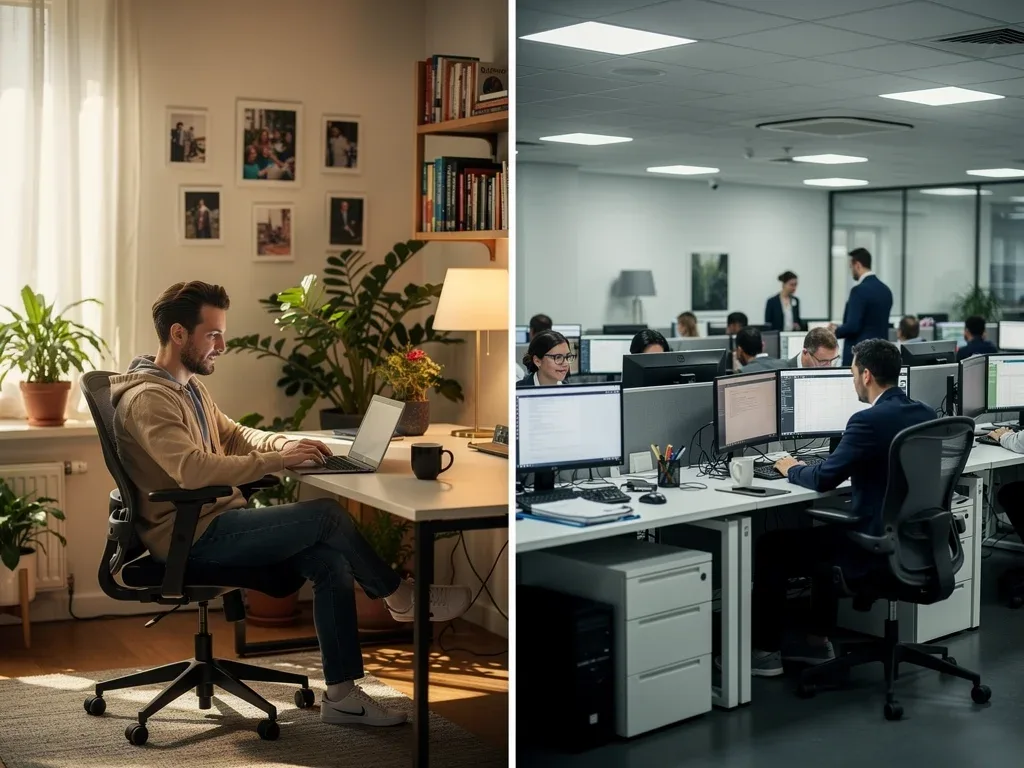
For many leaders, the transition to remote or hybrid work presented a significant challenge to traditional management styles. The ingrained belief that 'seeing is believing' when it comes to employee productivity has been hard to shake. This often leads to a dilemma between maintaining a sense of control and fostering trust in their teams.
Effective hybrid leadership requires a shift towards managing outcomes rather than presence. It demands clear communication, empathy, and a focus on empowering employees to achieve their goals, regardless of their physical location. Leaders who successfully navigate this balance are often those who embrace flexibility as a strategic advantage rather than a concession.
The Role of Company Culture in Hybrid Models
Company culture, traditionally built around in-person interactions, must evolve to thrive in a hybrid environment. This means intentionally designing opportunities for connection, collaboration, and mentorship that transcend physical boundaries. A strong culture can bind a distributed workforce, ensuring alignment and a sense of belonging.
- Purposeful Gatherings: Organizing intentional in-person events for team building, strategic planning, or critical project kick-offs rather than mandating daily office presence.
- Inclusive Communication: Ensuring that remote employees have equal access to information, discussions, and opportunities as their in-office counterparts.
- Digital Community Building: Utilizing internal platforms and virtual social events to foster informal connections and a sense of camaraderie among distributed teams.
Cultivating a robust hybrid culture requires deliberate effort and investment. It's about creating an environment where every employee, regardless of their work location, feels valued, connected, and integral to the company's mission. The success of a hybrid model hinges significantly on the adaptability of its culture.
The Future is Hybrid: Adapting to Evolving Expectations
The data strongly suggests that a fully remote or fully in-office model is not the preferred future for the majority of white-collar professionals. Instead, a hybrid approach, offering a blend of in-office collaboration and remote flexibility, appears to be the most viable and desired path forward. This model seeks to capture the best of both worlds.
Companies that are successfully implementing hybrid models are those that are listening to their employees, experimenting with different arrangements, and continuously refining their policies based on feedback and results. This adaptive approach is crucial for long-term success and employee satisfaction in a rapidly changing work environment.
Designing Effective Hybrid Work Policies
Crafting effective hybrid work policies involves more than just setting a number of office days. It requires a thoughtful consideration of various factors to ensure equity, productivity, and employee well-being. A one-size-fits-all approach is unlikely to succeed given the diverse needs of different teams and individuals.
- Clear Expectations: Defining what days, if any, are mandatory for in-office presence and for what specific purposes (e.g., team meetings, client presentations).
- Technology Infrastructure: Investing in robust technology that supports seamless collaboration and communication for both in-office and remote employees.
- Leadership Training: Equipping managers with the skills to effectively lead and support distributed teams, focusing on trust, outcomes, and empathy.
- Equitable Opportunities: Ensuring that remote employees have equal access to career development, mentorship, and opportunities for advancement.
The design of hybrid policies should be an iterative process, allowing for adjustments based on organizational learning and employee feedback. The goal is to create a sustainable model that benefits both the company and its workforce, fostering an environment of innovation and well-being. The future of work is not about where work happens, but how effectively it is done.
Beyond the Mandate: Cultivating Trust and Autonomy
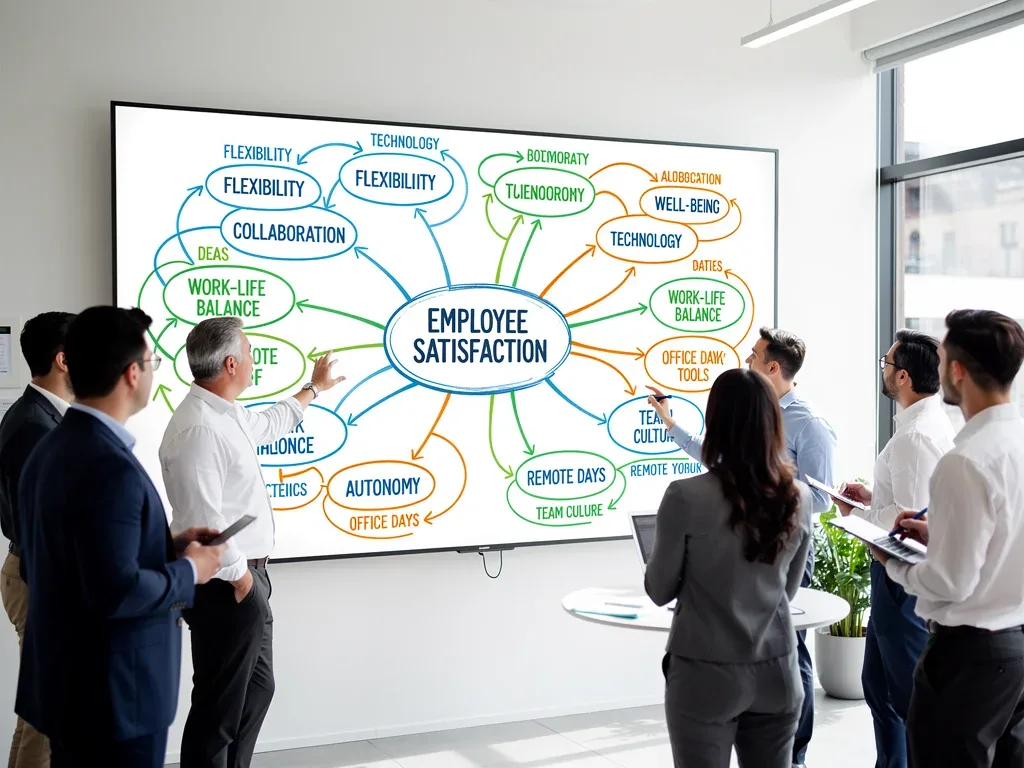
The core of the return-to-office standoff isn't just about physical location; it's about trust and autonomy. Employees who have demonstrated their ability to perform effectively remotely often feel a lack of trust when faced with blanket 5-day mandates. This can lead to resentment and disengagement, undermining morale and productivity.
Forward-thinking organizations are moving beyond rigid mandates and instead focusing on cultivating a culture of trust and empowering employees with greater autonomy over their work arrangements. This approach recognizes that adult professionals are capable of managing their time and responsibilities effectively, leading to higher job satisfaction and retention.
Empowering employees with choices regarding their work location, within reasonable company guidelines, communicates respect and value. It acknowledges their individual circumstances and preferences, fostering a more engaged and committed workforce. This shift from command-and-control to trust-based leadership is fundamental to navigating the evolving world of work. The companies that excel in this new paradigm will be those that prioritize employee well-being and flexibility, understanding that these are not perks but essential components of a modern, productive workplace. The standoff will ultimately be resolved not by mandates, but by mutual understanding and adaptive strategies.
| Key Aspect | Brief Description |
|---|---|
| Employee Resistance | 62% of white-collar professionals reject 5-day office mandates due to established remote work benefits. |
| Remote Work Benefits | Includes increased flexibility, enhanced focus, cost savings, and geographic freedom, improving work-life balance. |
| Productivity & Collaboration | Remote work often maintains or increases productivity, with virtual tools redefining effective teamwork. |
| Future of Work | A hybrid model is emerging as the preferred solution, balancing in-office collaboration with remote flexibility. |
Frequently Asked Questions About the Return-to-Office Standoff
Why are so many professionals resisting 5-day return-to-office mandates?▼Professionals resist 5-day mandates due to proven benefits of remote work, including increased flexibility, better work-life balance, reduced commuting stress and costs, and often, enhanced personal productivity. They've adapted to new routines and found them more beneficial.
Has remote work negatively impacted productivity, as some employers suggest?▼Contrary to initial fears, many studies and company reports show that remote work has maintained or even boosted productivity for white-collar professionals. The focus has shifted to outcomes rather than hours spent in the office, with tools facilitating effective virtual collaboration.
What are the main economic factors driving employee preference for remote work?▼Economic factors include significant savings on commuting costs like fuel and public transport, reduced expenses for professional attire and daily lunches, and the ability to live in more affordable areas. These financial benefits are a strong incentive for maintaining remote arrangements.
How can companies effectively balance employee desires for flexibility with business needs?▼Companies can balance these by adopting well-structured hybrid models. This involves setting clear expectations, investing in collaborative technology, training leaders for distributed teams, and focusing on outcomes. Open communication and continuous feedback loops are also crucial for success.
Is a hybrid work model the inevitable future for white-collar professions?▼Yes, a hybrid model appears to be the most likely and desired future. It combines the benefits of in-person collaboration for specific tasks with the flexibility and autonomy of remote work, catering to evolving employee expectations and organizational efficiency needs.
Conclusion
The ongoing return-to-office standoff represents more than just a debate about physical location; it signifies a fundamental re-evaluation of how and where work gets done. With 62% of white-collar professionals pushing back against 5-day mandates, it's clear that the traditional office paradigm is being challenged by a workforce that has experienced and embraced the benefits of flexibility, autonomy, and an improved work-life balance. For organizations to thrive in this evolving landscape, a strategic shift towards trust-based leadership and well-designed hybrid models is not merely an option but a necessity. Companies that listen to their employees, adapt their policies, and invest in supportive technologies will be better positioned to attract and retain top talent, fostering a productive and engaged workforce ready for the future of work.
