Self-Healing Polymers: Doubling Hardware Lifespan with Microvascular Composites
Advertisements
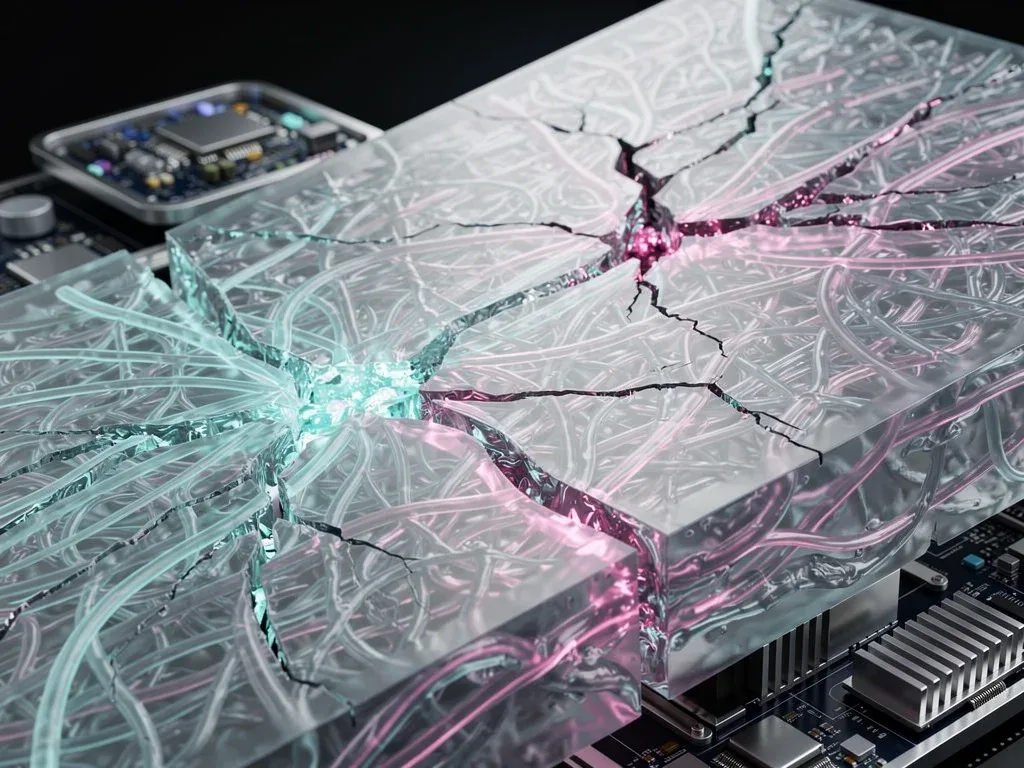
Self-healing structural polymers, especially microvascular composites, are poised to revolutionize various industries by autonomously repairing damage, effectively doubling the operational lifespan of hardware and significantly reducing maintenance requirements.
Imagine a world where your devices and infrastructure mend themselves, extending their useful lives far beyond current expectations. This isn't science fiction; it's the reality emerging from advancements in self-healing structural polymers, particularly through the innovation of microvascular composites.
The Dawn of Self-Healing Materials: A Paradigm Shift
The concept of materials that can repair themselves, much like biological organisms, has long captivated scientists and engineers. This revolutionary idea is now transitioning from the laboratory to real-world applications, promising to fundamentally alter how we design, manufacture, and maintain everything from consumer electronics to critical infrastructure. The inherent challenge with conventional materials is their susceptibility to damage accumulation, which inevitably leads to failure and necessitates costly repairs or replacements. Self-healing materials offer a compelling alternative, providing an intrinsic repair mechanism that can restore functionality and integrity.
This paradigm shift is driven by the urgent need for greater sustainability and efficiency. As global resource consumption continues to rise, extending the lifespan of products and components becomes crucial. Self-healing polymers contribute significantly to this goal by reducing waste, conserving raw materials, and lowering the energy footprint associated with manufacturing new items. Furthermore, in high-stakes applications where failure can have catastrophic consequences, such as in aerospace or medical devices, the ability of a material to self-repair offers an unprecedented level of safety and reliability.
Understanding the Core Principle of Autonomic Healing
Autonomic self-healing in materials refers to the ability of a material to repair damage without external intervention. This is typically achieved through integrated healing agents that are released upon damage, reacting to restore mechanical properties. The design of these systems is critical, ensuring that the healing process is efficient, robust, and repeatable, addressing various types of damage from micro-cracks to more significant fractures.
- Damage Detection: The material must be able to recognize when damage has occurred.
- Healing Agent Release: Healing agents, stored within the material, must be promptly released.
- Repair Mechanism: The agents must react to seal cracks and restore integrity.
The development of effective self-healing systems involves intricate chemistry and sophisticated material design. Researchers are continually exploring new healing chemistries and encapsulation methods to enhance performance and broaden applicability. This includes investigating different types of polymers, healing agents, and catalysts to optimize the repair process for specific environmental conditions and material requirements.
In conclusion, the emergence of self-healing materials represents a significant leap forward in materials science. By embedding inherent repair capabilities, these materials not only promise to extend product lifespans and reduce maintenance but also to enhance safety and sustainability across a wide range of industries.
Microvascular Composites: Nature's Blueprint for Engineering
Microvascular composites draw inspiration from biological systems, particularly the circulatory networks found in living organisms. Just as blood vessels transport nutrients and repair agents throughout the body, microvascular networks within these composites are designed to deliver healing agents to sites of damage. This bio-inspired approach offers a highly efficient and targeted repair mechanism, enabling materials to mend themselves multiple times and recover a substantial portion of their original properties.
The intricate architecture of these microvascular networks allows for the continuous replenishment of healing agents. Unlike single-shot healing mechanisms, which can only repair damage once, microvascular systems can facilitate repeated healing events. This is a crucial advantage for applications where materials are subjected to continuous stress and damage accumulation, ensuring sustained performance over an extended period. The design and fabrication of these networks require advanced manufacturing techniques, including 3D printing and sacrificial templating, to create precise and interconnected channels.
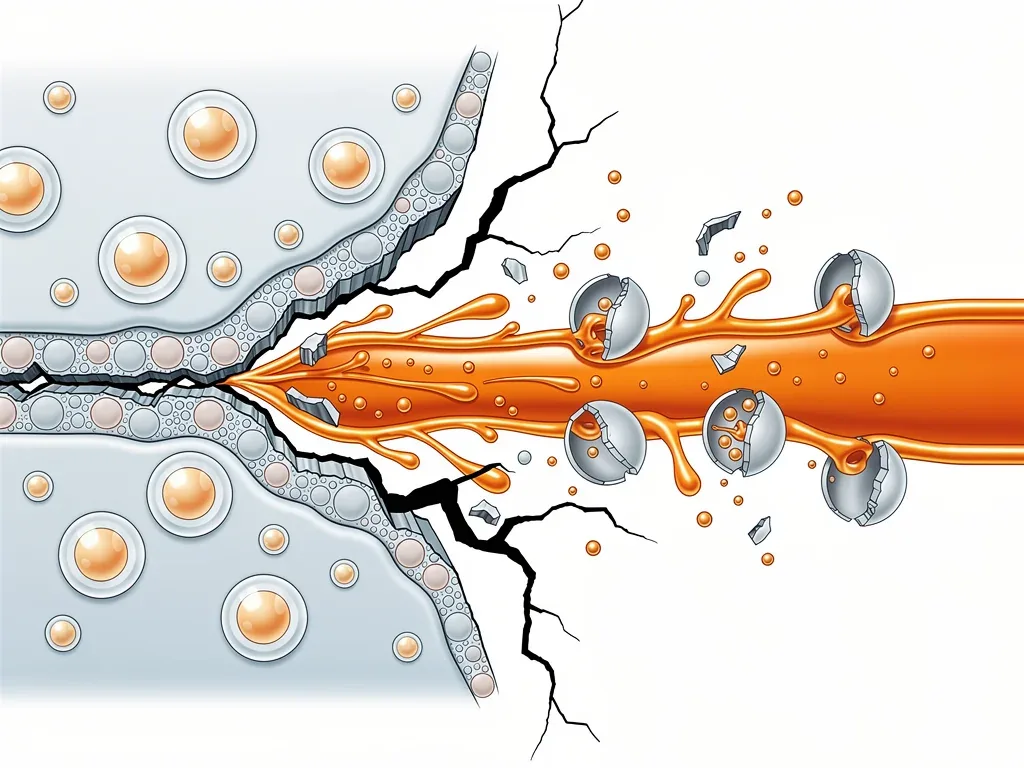
The integration of microvascular networks into structural polymers is a complex engineering feat. It involves careful consideration of channel dimensions, spacing, and connectivity to ensure optimal healing agent delivery. The choice of healing agents is also critical, as they must be compatible with the polymer matrix and capable of rapid and effective polymerization upon release. This specialized design ensures that the material can respond dynamically to damage, restoring its structural integrity without human intervention.
Fabrication Techniques for Microvascular Networks
Creating these microscopic channels within a polymer matrix is a sophisticated process. Researchers employ several advanced techniques to achieve the desired network architecture, each with its own advantages and challenges. These methods ensure the precise placement and connectivity of the channels, which are vital for efficient healing agent transport.
- Sacrificial Templating: Embedding a fugitive (removable) network within the polymer, then dissolving it to create channels.
- Direct-Write Assembly: Using specialized printers to deposit materials in a specific pattern, forming the channels.
- 3D Printing: Layer-by-layer fabrication of the polymer with integrated microchannels.
These fabrication methods are continuously evolving, with ongoing research focused on improving precision, scalability, and cost-effectiveness. The ability to create complex, interconnected networks is essential for maximizing the healing efficiency and ensuring uniform distribution of healing agents throughout the material. This precision engineering is what distinguishes microvascular composites from other self-healing approaches, providing a robust and repeatable repair solution.
In essence, microvascular composites represent a sophisticated emulation of biological repair systems. By integrating complex networks for agent delivery, these materials can achieve multiple healing cycles, significantly extending their functional life and offering unparalleled durability in diverse applications.
The Chemistry of Repair: How Healing Agents Work
At the heart of self-healing structural polymers is the sophisticated chemistry of their healing agents. These agents are typically sequestered within microcapsules or microvascular channels and are designed to react upon damage, forming new bonds and restoring the material's integrity. The choice of healing chemistry is paramount, as it dictates the efficiency, speed, and completeness of the repair process. Common healing chemistries involve monomer-catalyst systems, where a monomer is released and polymerizes in the presence of an embedded catalyst, effectively filling and bonding the crack.
One prevalent system involves dicyclopentadiene (DCPD) as the healing agent and Grubbs' catalyst. When a crack propagates through the material, it ruptures the microcapsules containing DCPD and exposes the embedded catalyst. The DCPD then polymerizes rapidly in the presence of the catalyst, forming a tough, cross-linked polymer that fills the crack and restores mechanical properties. Other systems use epoxy resins with amine hardeners, or even reversible covalent bonds that can break and reform under specific conditions, allowing for multiple healing cycles.
Key Components of Healing Systems
Effective self-healing systems rely on a precise interplay of several components, each playing a crucial role in the repair process. Understanding these components is essential for designing materials with optimal healing capabilities and ensuring their long-term performance.
- Healing Agents: Monomers or resins that polymerize or react to fill cracks.
- Catalysts/Initiators: Substances that trigger or accelerate the healing reaction.
- Encapsulation Methods: Microcapsules, hollow fibers, or microvascular networks that store and release agents.
The stability of healing agents within the material matrix is also a significant consideration. They must remain inert until damage occurs, preventing premature reactions. Furthermore, the healing reaction needs to be robust enough to occur under various environmental conditions, including temperature fluctuations and moisture exposure, ensuring consistent repair performance in real-world applications. The development of new, more efficient healing chemistries is an ongoing area of research, aiming to improve healing efficiency, reduce repair time, and broaden the range of materials that can benefit from self-healing capabilities.
In summary, the chemical mechanisms underlying self-healing polymers are diverse and highly specialized. By carefully selecting and integrating healing agents, catalysts, and encapsulation methods, engineers can create materials that autonomously repair themselves, significantly extending their functional life and enhancing their reliability.
Doubling Operational Lifespan: The Economic and Environmental Impact
The ability of self-healing structural polymers to double the operational lifespan of hardware presents a monumental shift in both economic and environmental terms. Economically, industries stand to gain significantly from reduced maintenance costs, fewer replacements, and minimized downtime. For example, in sectors like aerospace, automotive, and infrastructure, where component failure can lead to severe financial repercussions and safety hazards, extending the life of critical parts translates directly into substantial savings and improved operational efficiency. The initial investment in self-healing materials can be quickly recouped through prolonged service life and reduced lifecycle costs.
Environmentally, the impact is equally profound. A longer product lifespan means less waste generated, as fewer items need to be discarded and replaced. This directly contributes to a circular economy model, where resources are utilized more efficiently and for longer periods. Furthermore, the reduced need for manufacturing new components translates into lower energy consumption and a smaller carbon footprint associated with production. This aligns perfectly with global sustainability goals, offering a tangible solution to mitigate the environmental impact of industrial activities and consumerism.
Case Studies and Potential Applications
The potential applications for self-healing polymers are vast, spanning numerous industries. From everyday consumer goods to highly specialized industrial components, the integration of these materials promises to enhance durability and performance. Early adopters are already exploring the benefits in various fields, demonstrating the practical viability of this technology.
- Aerospace: Self-healing composites for aircraft structures can prevent crack propagation, enhancing safety and reducing maintenance schedules.
- Automotive: Car body panels and interior components could repair minor scratches and damage, preserving aesthetic appeal and structural integrity.
- Infrastructure: Bridges, pipelines, and buildings made with self-healing concrete or coatings could autonomously repair micro-cracks, preventing larger structural failures.
- Electronics: Self-healing coatings for circuit boards or device casings could extend the life of electronic gadgets by mending minor damage.
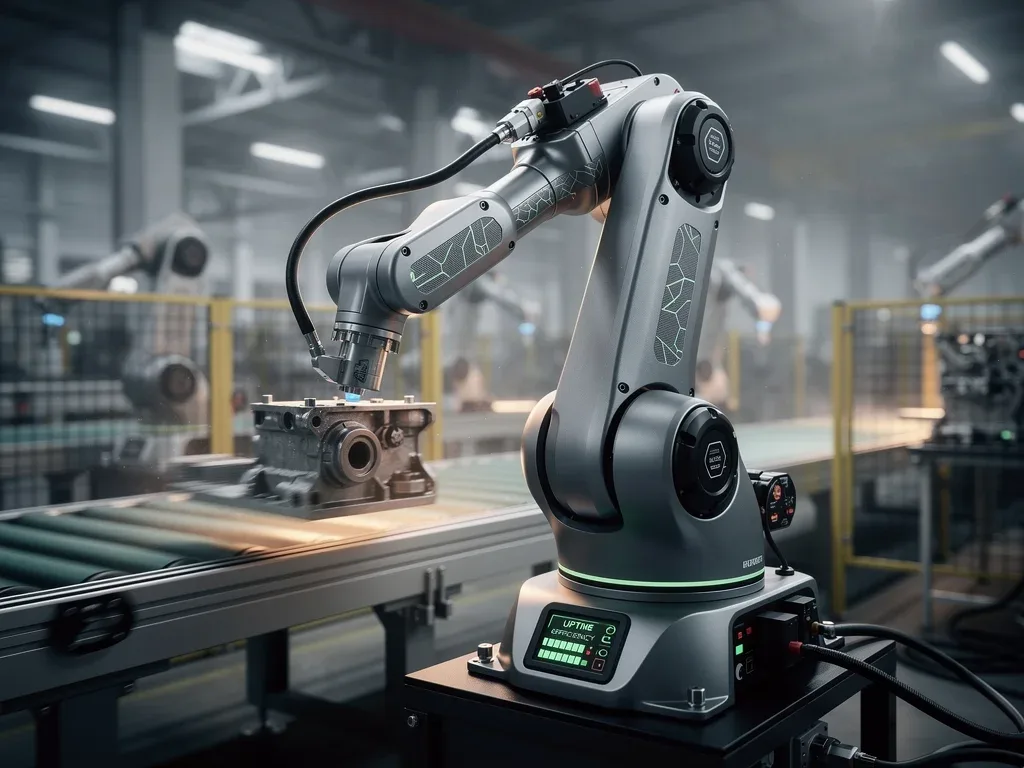
These examples highlight the transformative potential of self-healing polymers to create more resilient and sustainable products. The long-term economic benefits, coupled with significant environmental advantages, underscore why this technology is attracting considerable attention and investment across various sectors. The ability to autonomously repair damage is not just a technological advancement; it's a strategic imperative for future-proofing our industrial and consumer ecosystems.
In conclusion, the economic and environmental benefits of doubling hardware operational lifespan through self-healing polymers are immense. By reducing maintenance, minimizing waste, and extending product utility, these materials offer a sustainable and cost-effective solution for a wide range of applications, driving both profitability and ecological responsibility.
Challenges and Future Directions in Self-Healing Polymer Research
Despite the remarkable progress in self-healing structural polymers, several challenges remain that researchers are actively addressing. One significant hurdle is the scalability of production. Manufacturing microvascular composites and encapsulating healing agents at an industrial scale, while maintaining cost-effectiveness and consistent quality, is complex. Another challenge lies in developing healing systems that can repair a wider range of damage types, including large fractures and multiple damage events, without significant loss of mechanical properties. The efficiency of healing under diverse environmental conditions, such as extreme temperatures or humidity, also needs further optimization to ensure robust performance in real-world applications.
The long-term stability and shelf-life of healing agents within the material are critical. Premature degradation or reaction of these agents can compromise the material's self-healing capabilities when damage eventually occurs. Furthermore, integrating sensing mechanisms that can detect damage and trigger healing more precisely is an ongoing area of research, moving towards truly intelligent materials that can respond autonomously to their environment. Cost-effectiveness is another major factor; for widespread adoption, the benefits of self-healing materials must outweigh their manufacturing costs.
Innovations Driving Future Advancements
The future of self-healing polymer research is bright, with numerous innovations on the horizon that promise to overcome current limitations. Researchers are exploring novel healing chemistries, advanced encapsulation techniques, and multi-functional materials that combine self-healing with other desirable properties like self-sensing or self-cleaning. The integration of artificial intelligence and machine learning is also beginning to play a role, optimizing material design and predicting healing performance.
- Multi-stimuli Responsive Materials: Developing materials that heal in response to various triggers (heat, light, pH).
- Bio-inspired Designs: Further emulating biological systems for more complex and efficient repair mechanisms.
- Recyclable Self-Healing Polymers: Creating materials that can both self-heal and be fully recycled at the end of their life.
The development of hybrid materials, combining self-healing polymers with other advanced materials like ceramics or metals, also holds significant promise for expanding their application range. This interdisciplinary approach is crucial for pushing the boundaries of what these materials can achieve. The ultimate goal is to create materials that are not only capable of autonomous repair but are also sustainable, cost-effective, and adaptable to a multitude of demanding environments.
In conclusion, while challenges exist, ongoing research and innovation are rapidly advancing the field of self-healing polymers. Future directions focus on enhancing scalability, broadening repair capabilities, and integrating intelligent functionalities, paving the way for even more resilient and sustainable materials in the years to come.
Integrating Self-Healing Polymers into Manufacturing Processes
The successful integration of self-healing structural polymers into existing manufacturing processes is a critical step for their widespread adoption. This involves adapting current production lines and developing new techniques that can accommodate the unique requirements of these advanced materials. For microvascular composites, this means precisely embedding intricate channel networks during fabrication without compromising the material's overall structural integrity or the efficacy of the healing agents. Techniques such as 3D printing are proving particularly valuable, allowing for the precise creation of complex internal structures and the controlled incorporation of healing components.
Manufacturers need to consider the compatibility of healing agents with existing processing temperatures and pressures. High temperatures, for instance, could prematurely activate healing agents or cause their degradation, rendering the self-healing mechanism ineffective. Therefore, developing robust encapsulation methods that can withstand manufacturing conditions is essential. Furthermore, quality control and testing protocols must be established to ensure that the self-healing capability is consistently present and performs as expected throughout the material's intended lifespan. This requires new standards and methodologies for evaluating the healing efficiency and long-term durability of these innovative materials.
Overcoming Manufacturing Hurdles
The transition from lab-scale prototypes to industrial production presents several practical challenges. Addressing these hurdles is vital for making self-healing polymers a mainstream reality.
- Material Compatibility: Ensuring healing agents and catalysts are stable and effective within various polymer matrices under processing conditions.
- Process Adaptability: Modifying existing manufacturing equipment or developing new machinery to handle self-healing components.
- Cost-Effectiveness: Reducing the production cost of self-healing materials to make them competitive with traditional alternatives.
Training the workforce in handling and processing these new materials is also a key aspect. Engineers and technicians will need specialized knowledge to design, manufacture, and test products incorporating self-healing polymers. Collaborations between academic institutions and industrial partners are crucial for accelerating the knowledge transfer and developing practical solutions for industrial integration. The goal is to make the manufacturing of self-healing components as seamless and efficient as that of conventional materials, thereby facilitating their widespread application.
In conclusion, the integration of self-healing polymers into manufacturing processes requires careful planning and innovation. By addressing challenges related to processing compatibility, scalability, and quality control, industries can unlock the full potential of these materials, ushering in an era of more durable and sustainable hardware.
The Future is Self-Repairing: Impact on Sustainability and Innovation
The advent of self-repairing materials, particularly self-healing structural polymers and microvascular composites, heralds a new era of sustainability and innovation. This technology is not merely about extending product life; it's about fundamentally rethinking our approach to material design, consumption, and environmental responsibility. By enabling hardware to autonomously mend itself, we move closer to a truly circular economy, where resources are maximized, and waste is minimized. This shift will have profound implications for global industries, fostering a culture of longevity and resilience in manufactured goods.
From an innovation perspective, self-healing polymers open up entirely new avenues for product development. Imagine medical implants that can repair micro-fractures in vivo, or space vehicles capable of mending damage from micrometeoroid impacts. The potential for creating more robust, reliable, and intelligent systems is immense. This technology will drive further research into smart materials that can not only self-heal but also self-sense, self-adapt, and even self-assemble, blurring the lines between engineered materials and biological systems. The interdisciplinary nature of this field, combining chemistry, materials science, engineering, and even biology, ensures a rich pipeline of future breakthroughs.
Long-Term Vision and Societal Benefits
The long-term vision for self-healing materials extends beyond industrial applications to broader societal benefits. A world with self-repairing infrastructure, for instance, could lead to safer communities and reduced maintenance costs for public works. More durable consumer goods would empower individuals to make more sustainable choices, reducing their environmental footprint.
- Reduced Resource Consumption: Less need for new raw materials due to extended product lifespans.
- Enhanced Safety: Critical components in transportation and infrastructure become more reliable.
- Lower Maintenance Costs: Significant savings for industries and consumers alike.
Moreover, the development of these advanced materials contributes to a deeper understanding of fundamental material science, pushing the boundaries of what is technologically possible. The intellectual capital generated from self-healing polymer research will undoubtedly spill over into other scientific and engineering disciplines, fostering a ripple effect of innovation. The move towards a self-repairing future is not just about technology; it's about building a more resilient, sustainable, and innovative world for generations to come, redefining what we expect from the materials that shape our daily lives.
In conclusion, the future with self-repairing materials is one of unprecedented sustainability and innovation. By fundamentally altering how we perceive and interact with manufactured goods, self-healing structural polymers are set to drive significant advancements across industries and contribute meaningfully to a more resilient and resource-efficient global society.
| Key Aspect | Brief Description |
|---|---|
| Core Technology | Self-healing polymers, especially microvascular composites, autonomously repair damage. |
| Lifespan Extension | Doubles operational lifespan of hardware, reducing need for frequent replacements. |
| Economic Impact | Significantly lowers maintenance costs, downtime, and overall lifecycle expenses. |
| Environmental Benefit | Reduces waste, conserves resources, and minimizes carbon footprint for a sustainable future. |
Frequently Asked Questions About Self-Healing Polymers
What are self-healing structural polymers?▼Self-healing structural polymers are advanced materials engineered to autonomously repair damage, such as cracks or punctures, without external intervention. They achieve this by incorporating healing agents that are released and react upon damage, restoring the material's mechanical properties and extending its operational lifespan.
How do microvascular composites facilitate self-healing?▼Microvascular composites contain intricate networks of microscopic channels, similar to blood vessels, embedded within the polymer matrix. These channels store and deliver healing agents directly to the site of damage when a crack occurs, allowing for efficient and often repeated repair cycles, inspired by biological systems.
What are the main benefits of using self-healing polymers in hardware?▼The primary benefits include significantly extending the operational lifespan of hardware, reducing maintenance and replacement costs, minimizing downtime, and enhancing overall reliability. This also contributes to environmental sustainability by decreasing waste and resource consumption associated with manufacturing new parts.
Can self-healing polymers repair all types of damage?▼While self-healing polymers are highly effective for micro-cracks and minor damage, their ability to repair larger fractures or extensive damage is still an area of active research. Current systems are optimized for specific types of damage, and ongoing development aims to broaden their repair capabilities and robustness under various conditions.
What industries are most impacted by this technology?▼Industries such as aerospace, automotive, construction (infrastructure), and electronics stand to benefit immensely. These sectors rely on durable, long-lasting components, and self-healing polymers offer a pathway to improved safety, reduced operational costs, and enhanced product longevity across critical applications.
Conclusion
The transformative potential of self-healing structural polymers, particularly microvascular composites, is undeniable. By providing materials with the unprecedented ability to autonomously repair damage, this emerging technology is poised to revolutionize hardware durability, significantly extending operational lifespans and reducing the need for costly maintenance and replacements. Beyond the immediate economic advantages for industries, the environmental benefits of reduced waste and resource consumption align perfectly with global sustainability goals. As research continues to overcome existing challenges in scalability and repair versatility, we are moving closer to a future where our devices, infrastructure, and vehicles are more resilient, efficient, and inherently sustainable, marking a pivotal shift in materials science and engineering.
