Social Commerce Conversion Rates Soar 33% with Shoppable Video
Advertisements
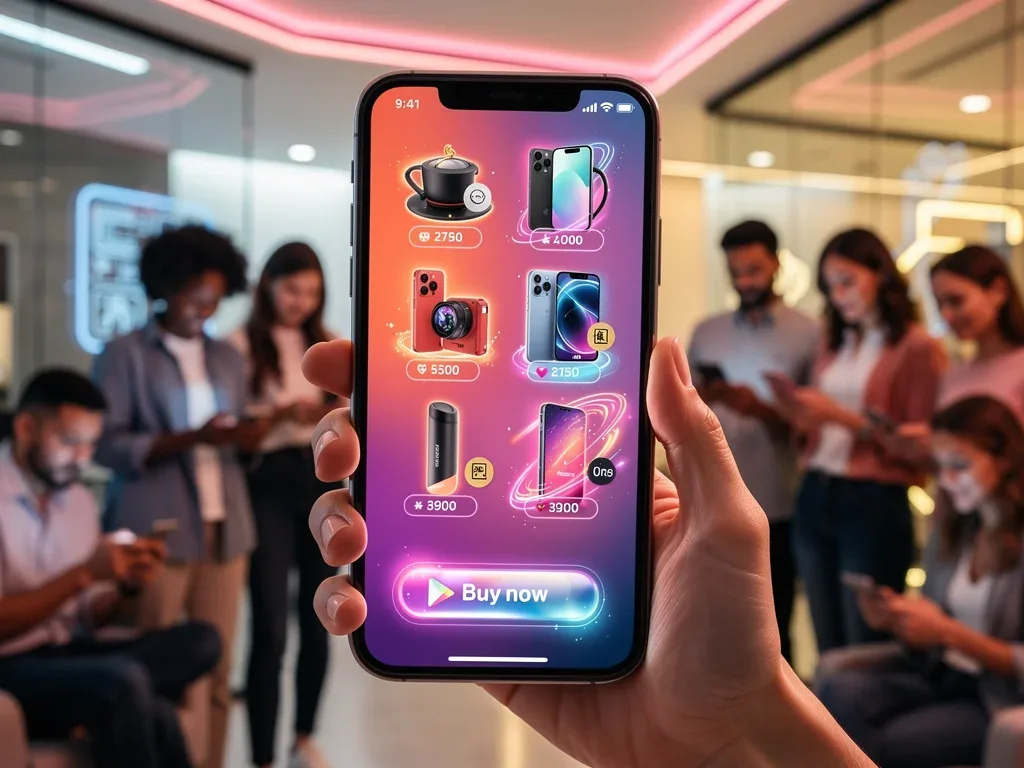
Shoppable video streams are driving an impressive 33% increase in social commerce conversion rates, fundamentally transforming mobile shopping by offering immersive and interactive purchasing experiences.
The retail world is witnessing a seismic shift, with shoppable video commerce emerging as a dominant force. Recent data indicates a remarkable 33% surge in social commerce conversion rates, primarily fueled by the widespread adoption of shoppable video streams, fundamentally reshaping how consumers engage with brands and make purchases on their mobile devices.
The Rise of Shoppable Video: A New Era for E-commerce
Shoppable video is no longer a niche concept; it's a mainstream phenomenon rapidly redefining the e-commerce landscape. This innovative approach integrates product discovery and purchasing directly into video content, creating a seamless and highly engaging experience for consumers.
The ability to watch a product demonstration, see it in use, and then immediately click to buy without leaving the video stream has proven incredibly powerful. This direct path to purchase eliminates friction points often found in traditional online shopping, leading to higher engagement and, crucially, significantly improved conversion rates.
Interactive Content Drives Engagement
Traditional static product pages are struggling to keep pace with the dynamic nature of shoppable video. Consumers, especially younger demographics, are accustomed to rich, interactive content across all their digital interactions. Shoppable videos meet this demand by offering an immersive experience that entertains while it informs.
- Live Demonstrations: Products are shown in real-time, addressing common customer questions and showcasing features dynamically.
- Influencer Integration: Trusted personalities endorse products, building authenticity and driving purchase intent.
- Real-time Q&A: Live streams allow immediate interaction, fostering a sense of community and trust.
- Personalized Experiences: AI-driven recommendations can tailor video content to individual viewer preferences.
This blend of entertainment and utility creates a compelling value proposition that traditional e-commerce struggles to replicate. The result is a more informed and confident buyer, less prone to abandonment during the purchasing process.
The evolution of mobile technology has played a pivotal role in this transformation. High-speed internet, advanced smartphone cameras, and powerful processing capabilities have made high-quality video consumption and creation ubiquitous. This technological foundation has allowed shoppable video to flourish, making it accessible to a massive global audience.
Understanding the 33% Conversion Rate Jump
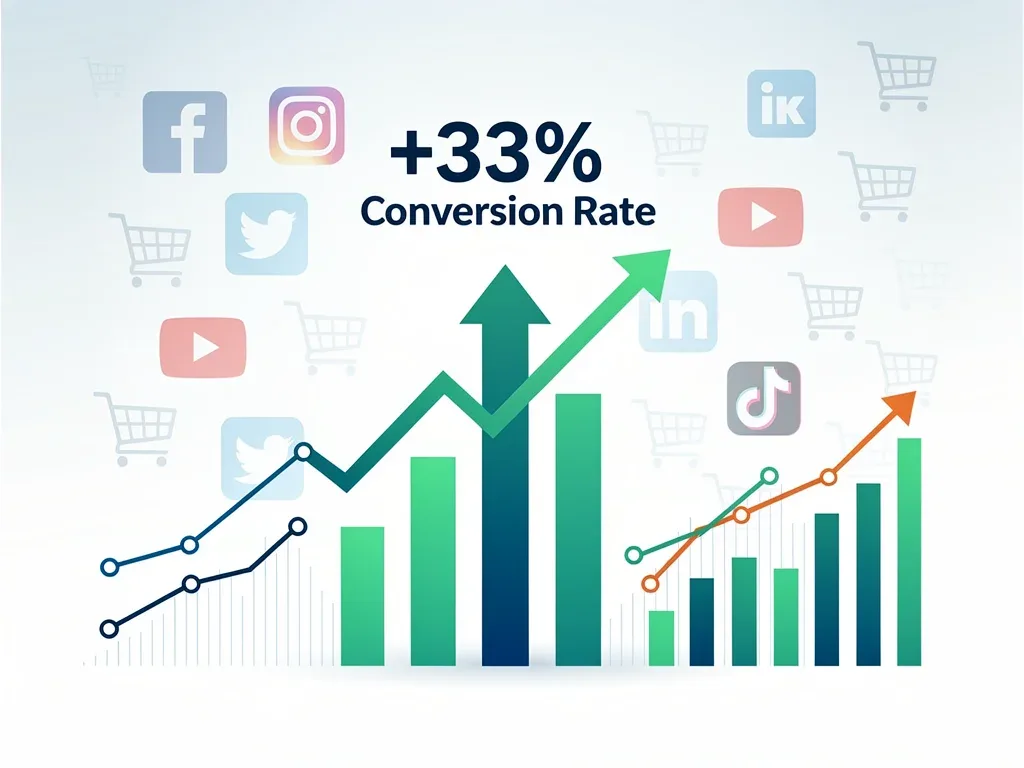
The reported 33% increase in social commerce conversion rates is a significant indicator of shoppable video's effectiveness. This isn't just a marginal improvement; it represents a substantial shift in how efficiently brands can turn viewers into buyers. Several factors contribute to this impressive leap.
One primary driver is the inherent trust built through video. Seeing a product in action, often demonstrated by an authentic personality, reduces uncertainty and builds confidence. Unlike static images or text descriptions, video conveys a product's texture, size, functionality, and overall appeal in a way that resonates deeply with potential customers.
Psychological Impact on Consumer Behavior
The psychology behind shoppable video's success is multifaceted. It taps into our innate desire for visual information and immediate gratification. The 'see it, like it, buy it' model is incredibly powerful in the fast-paced digital world.
- Reduced Cognitive Load: Viewers process information more easily through video than by reading extensive product descriptions.
- Emotional Connection: Videos can evoke emotions, building a stronger bond between the consumer and the brand or product.
- Sense of Urgency: Live shoppable streams often feature limited-time offers or product drops, creating a fear of missing out (FOMO) that encourages immediate purchase decisions.
- Social Proof: Live comments and reactions from other viewers provide social validation, influencing purchase decisions.
Furthermore, the social aspect of these platforms plays a crucial role. When friends or influencers share shoppable videos, it acts as a powerful endorsement, leveraging existing trust networks. This peer-to-peer recommendation system significantly lowers the barrier to purchase, contributing directly to the higher conversion rates observed.
The ability to interact directly with sellers or brand representatives during live streams also enhances the shopping experience. This real-time engagement allows consumers to ask specific questions, receive immediate answers, and get personalized recommendations, mimicking the personalized service of a physical store but with the convenience of online shopping.
Shoppable Video Dominates Mobile Shopping
Mobile devices are the primary battleground for shoppable video, and for good reason. The convenience, portability, and ubiquitous nature of smartphones make them the ideal platform for this interactive shopping format. Consumers are increasingly spending more time on their phones, engaging with social media, and consuming video content.
The user experience on mobile is optimized for quick, impulsive purchases. With features like one-click checkout and integrated payment solutions, the journey from discovery to purchase is streamlined. This seamless experience is critical for capturing the attention of mobile users who expect efficiency and ease of use.
Optimizing for the Mobile Experience
Brands that excel in shoppable video understand the nuances of mobile optimization. This goes beyond just responsive design; it involves creating content specifically tailored for smaller screens and on-the-go consumption.
- Vertical Video Formats: Content is often shot in vertical aspect ratios to fill the entire mobile screen, providing a more immersive view.
- Concise and Engaging Content: Videos are typically shorter, packed with information, and designed to grab attention quickly.
- Intuitive UI/UX: Buttons for purchasing, adding to cart, or asking questions are prominently displayed and easy to tap.
- Fast Loading Times: Mobile users have little patience for slow-loading content, so optimization for speed is paramount.
The integration of shoppable video within popular social media apps further solidifies its dominance in mobile shopping. Platforms like TikTok, Instagram, and Facebook have invested heavily in developing features that allow users to discover, interact with, and purchase products directly within their feeds. This native integration reduces friction and keeps users within their preferred social ecosystems.
The generational shift towards mobile-first consumption habits means that brands not embracing shoppable video on mobile risk being left behind. Younger consumers, who represent a significant portion of future purchasing power, are digital natives who expect seamless, engaging, and mobile-optimized shopping experiences.
Key Platforms Driving Social Commerce Growth
The proliferation of shoppable video is intrinsically linked to the evolution of major social media platforms. These platforms have recognized the immense potential of integrating commerce directly into their content ecosystems, transforming from mere social networks into powerful retail channels.
TikTok, for example, has been a trailblazer in this space, leveraging its short-form video format and highly engaged user base to create viral product trends and direct purchase opportunities. Instagram and Facebook have also heavily invested in features like Instagram Shopping, Reels, and Live Shopping, allowing creators and businesses to tag products and facilitate in-app purchases.
The Role of Influencers and Content Creators
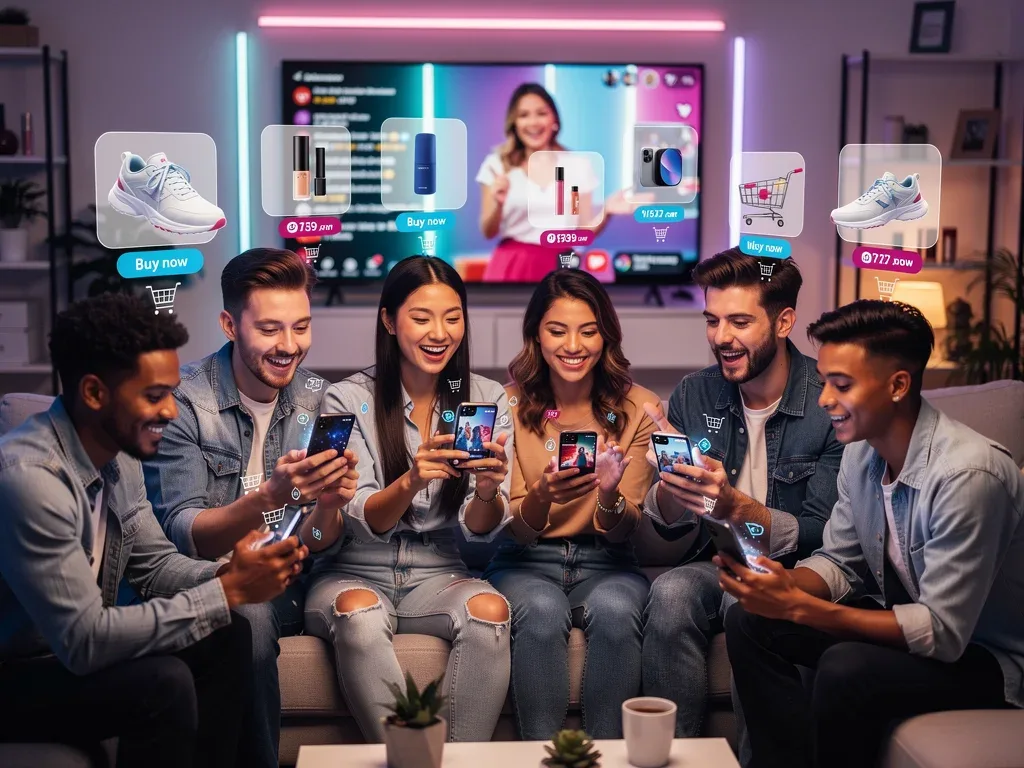
Influencers and content creators are at the heart of this social commerce revolution. Their ability to connect authentically with their audience and demonstrate products in a relatable way makes them incredibly effective sales agents. Brands are increasingly partnering with these creators to host shoppable live streams and create engaging video content.
- Authenticity: Influencers often share their genuine experiences, building trust with their followers.
- Reach: They provide access to highly targeted and engaged communities that brands might struggle to reach directly.
- Creative Storytelling: Creators excel at weaving products into compelling narratives, making shopping feel less transactional and more entertaining.
- Direct Feedback: Live streams allow influencers to answer questions and address concerns in real-time, enhancing the pre-purchase experience.
Beyond the major players, emerging platforms and specialized live streaming apps are also contributing to the growth. These platforms often cater to specific niches or offer unique interactive features, further fragmenting the social commerce landscape but also creating more opportunities for brands to connect with their target audiences.
The competition among platforms to offer the best shoppable video experience is intense, driving continuous innovation in features like augmented reality try-ons, interactive polls, and personalized recommendations. This competitive environment ultimately benefits consumers by providing richer, more engaging, and more convenient shopping options.
Challenges and Opportunities in Shoppable Video Commerce
While the growth of shoppable video commerce is undeniable, it's not without its challenges. Brands must navigate a complex landscape of content creation, platform algorithms, and consumer expectations. Producing high-quality, engaging video content consistently requires significant resources and strategic planning.
One of the main challenges is standing out in a crowded digital space. With so many brands and creators vying for attention, mere presence isn't enough. Content needs to be innovative, authentic, and genuinely valuable to the viewer to cut through the noise. This often means investing in professional video production, creative talent, and effective promotion strategies.
Overcoming Hurdles for Brands
Brands looking to capitalize on shoppable video must address several key areas:
- Content Strategy: Develop a clear plan for what types of video content to create (live streams, pre-recorded demos, tutorials, etc.) and how often to publish.
- Platform Selection: Choose platforms that align with their target audience and brand identity.
- Influencer Partnerships: Identify and collaborate with influencers whose values and audience demographics match their brand.
- Technical Integration: Ensure seamless integration of e-commerce functionalities within video players and social platforms.
- Data Analytics: Track key metrics to understand what resonates with viewers and optimize future campaigns.
Despite these challenges, the opportunities presented by shoppable video are immense. It allows brands to tell their story in a dynamic and engaging way, build stronger customer relationships, and reach new audiences. The direct feedback loop from live streams provides invaluable insights into consumer preferences, enabling brands to adapt quickly and refine their offerings.
Furthermore, the global reach of social platforms means that even small businesses can tap into international markets with relative ease, expanding their customer base far beyond traditional geographic limitations. The lower barrier to entry for video creation, thanks to readily available tools and platforms, also democratizes access to this powerful marketing channel.
The Future of Mobile Shopping and Social Commerce
The trajectory of social commerce, propelled by shoppable video, points towards an increasingly immersive and integrated shopping experience. We can expect further advancements in technology that will blur the lines between entertainment, social interaction, and purchasing. Augmented reality (AR) and virtual reality (VR) are set to play an even more significant role, offering virtual try-ons and simulated product experiences.
Personalization will become even more sophisticated, with AI-powered algorithms curating not just product recommendations but entire shoppable video feeds tailored to individual tastes and past behaviors. This hyper-personalization will make the shopping experience feel even more intuitive and relevant to each consumer.
Emerging Technologies and Trends
Several key trends will shape the future of mobile shopping:
- Metaverse Integration: As virtual worlds evolve, brands will explore opportunities for shoppable experiences within these immersive environments.
- Voice Commerce: Integration with voice assistants will allow for hands-free shopping within video content.
- Hyper-Personalization: AI will deliver highly customized shoppable video content based on individual user data.
- Interactive Storytelling: More advanced interactive elements will allow viewers to influence narratives and product presentations.
The convergence of 5G technology, more powerful mobile devices, and increasingly sophisticated AI will unlock new possibilities for shoppable video. Higher resolution streams, faster loading times, and more intelligent recommendation engines will further enhance the user experience, making mobile shopping an even more seamless and enjoyable activity.
Ultimately, the future of retail is mobile, social, and visual. Brands that embrace these shifts and continue to innovate in how they present and sell products through engaging video content will be the ones that thrive. The 33% jump in conversion rates is just the beginning of a profound transformation in consumer behavior and retail strategy.
| Key Aspect | Description |
|---|---|
| Conversion Rate Jump | Social commerce conversion rates have increased by a significant 33%, driven primarily by shoppable video streams. |
| Shoppable Video Impact | Integrates product showcasing and purchasing directly into video content, creating a seamless and engaging mobile shopping experience. |
| Mobile Dominance | Smartphones are the primary platform for shoppable video, optimized for quick, impulsive purchases and integrated within social apps. |
| Future Trends | Expect more AR/VR integration, hyper-personalization, and advanced interactive elements shaping future mobile shopping. |
Frequently Asked Questions About Shoppable Video Commerce
What is shoppable video commerce?▼Shoppable video commerce allows consumers to purchase products directly from within a video stream. It integrates product information, demonstrations, and a buy button into the video content itself, creating a highly interactive and convenient shopping experience on mobile devices.
Why are conversion rates increasing with shoppable video?▼Conversion rates are increasing because shoppable video builds trust through visual demonstrations, reduces friction by enabling immediate purchases, and leverages social proof and influencer endorsements. It offers an engaging, immersive experience that static content cannot match, leading to more confident buying decisions.
Which platforms are leading in shoppable video?▼Major social media platforms like TikTok, Instagram, and Facebook are leading the charge. They have integrated robust shoppable features, live streaming capabilities, and tools for creators to tag products, making it easier for users to discover and purchase items directly within their apps.
How does mobile shopping benefit from shoppable video?▼Mobile shopping greatly benefits from shoppable video due to the convenience and accessibility of smartphones. Videos are optimized for mobile screens, offer quick loading times, and integrate seamlessly with mobile payment options, catering to the on-the-go purchasing habits of modern consumers.
What's next for shoppable video commerce?▼The future of shoppable video commerce will likely involve deeper integration with augmented reality (AR) for virtual try-ons, hyper-personalization through AI, and expansion into metaverse environments. These advancements will create even more immersive, interactive, and tailored shopping experiences for consumers.
Conclusion
The dramatic 33% surge in social commerce conversion rates, largely attributed to the dominance of shoppable video streams, signals a permanent and profound shift in the retail industry. This innovative approach to e-commerce, particularly on mobile devices, has proven its ability to captivate consumers, build trust, and streamline the path to purchase. As technology continues to evolve, integrating features like augmented reality and advanced personalization, shoppable video will only become more sophisticated and integral to how brands connect with their audience. For businesses looking to thrive in the digital age, embracing and mastering the art of shoppable video commerce is no longer an option but a necessity for sustained growth and engagement in the competitive landscape of mobile shopping.
