Corporate Transparency Act: Avoid Daily Penalties
Advertisements

The Corporate Transparency Act (CTA) mandates beneficial ownership information reporting for most US companies, with non-compliance leading to significant daily penalties, making timely and accurate filing essential.
Are you prepared for the sweeping changes brought by the Corporate Transparency Act (CTA)? Understanding and adhering to its requirements is crucial for any business operating in the United States, as failing to comply can result in severe financial repercussions. This article will guide you through the essential filing steps to avoid penalties reaching $591 daily.
Understanding the Corporate Transparency Act (CTA)
The Corporate Transparency Act, enacted as part of the National Defense Authorization Act for Fiscal Year 2021, represents a monumental shift in corporate disclosure requirements in the United States. Its primary goal is to combat illicit financial activities, including money laundering, terrorist financing, and corruption, by requiring certain companies to report information about their beneficial owners to the Financial Crimes Enforcement Network (FinCEN).
This legislation aims to close loopholes that have historically allowed shell companies and other opaque entities to conceal the true identities of individuals who own or control them. By creating a centralized database of beneficial ownership information (BOI), FinCEN will provide law enforcement and national security agencies with critical data to investigate and prosecute financial crimes more effectively. For businesses, this means a new layer of compliance that cannot be overlooked.
The CTA's scope is broad, affecting millions of existing and newly formed businesses across the country. While the intention is noble, the burden of compliance falls squarely on the shoulders of these entities, many of whom may not even be aware of their new obligations. The penalties for non-compliance are substantial, underscoring the importance of understanding every facet of this new regulatory landscape.
Who is Affected by the CTA?
The CTA applies to a vast majority of corporations, limited liability companies (LLCs), and other similar entities created or registered to do business in the United States. These are generally referred to as "reporting companies." However, there are specific exemptions for certain types of entities already subject to significant federal or state regulation.
- Reporting Companies: These include domestic corporations, LLCs, and any other entity created by filing a document with a secretary of state or similar office. Foreign companies registered to do business in the U.S. also fall under this category.
- Exempt Entities: The CTA provides 23 specific exemptions. These typically include publicly traded companies, banks, credit unions, insurance companies, registered investment advisers, and certain large operating companies that meet specific criteria regarding employees, revenue, and physical presence.
- Small Businesses: Contrary to some misconceptions, the CTA heavily impacts small businesses, as many do not qualify for the exemptions designed for larger, more regulated entities.
It is crucial for every business owner to determine their reporting company status. Misinterpreting the exemptions can lead to severe penalties, making a thorough assessment an absolute necessity. Understanding the nuances of who is affected is the first critical step in ensuring Corporate Transparency Act compliance.
Identifying Beneficial Owners Accurately
One of the most critical aspects of Corporate Transparency Act Compliance is correctly identifying and reporting beneficial owners. The CTA defines a beneficial owner as any individual who, directly or indirectly, either exercises substantial control over a reporting company or owns or controls at least 25% of the ownership interests of a reporting company.
This dual definition means that even individuals without a direct ownership stake but who exert significant influence over the company's decisions must be reported. This can often be more complex than simply looking at shareholder lists, requiring a deeper dive into the company's governance structure and operational control mechanisms. The accuracy of this identification is paramount, as any misrepresentation or omission can trigger an audit and potential penalties.

Defining Substantial Control
Substantial control is not merely about holding a majority stake. FinCEN's regulations outline several indicators of substantial control, aiming to capture individuals who truly pull the strings behind the scenes. This includes senior officers, individuals with authority to appoint or remove officers or a majority of the board, and those who direct, determine, or have substantial influence over important decisions made by the reporting company.
- Senior Officers: Presidents, Chief Executive Officers, Chief Financial Officers, General Counsel, Chief Operating Officers, or any other officer, regardless of official title, who performs a similar function.
- Appointment/Removal Authority: Anyone with the power to appoint or remove a majority of the board of directors or similar governing body.
- Important Decision Makers: Individuals who make significant decisions regarding the reporting company's business, finances, or structure.
- Any Other Form of Substantial Control: This catch-all provision ensures that individuals who exercise influence through other means are also identified.
Companies must meticulously review their organizational charts, governance documents, and operational practices to identify all individuals who meet the substantial control criteria. This often requires a legal review to ensure no stone is left unturned in this complex assessment.
Understanding Ownership Interest
Ownership interest refers to equity, stock, or any other mechanism used to establish ownership. This includes not only direct ownership but also indirect ownership through trusts, nominee arrangements, or other entities. Calculating the 25% threshold can be particularly challenging when ownership is distributed across multiple tiers of entities or involves complex financial instruments.
For instance, if an individual owns 50% of Company A, which in turn owns 60% of Company B, that individual indirectly owns 30% of Company B (50% of 60%). Such calculations require careful attention to detail to ensure the correct individuals are identified as beneficial owners. Incorrectly calculating ownership interests can lead to significant compliance failures under the CTA.
The process of identifying beneficial owners is often the most intricate part of CTA compliance. It demands a thorough understanding of both legal definitions and the company's specific ownership and control structures. Errors in this stage can have cascading effects, making it a critical area for businesses to focus their efforts.
The Beneficial Ownership Information (BOI) Report
Once beneficial owners are accurately identified, the next crucial step in Corporate Transparency Act Compliance is preparing and submitting the Beneficial Ownership Information (BOI) report to FinCEN. This report is not a one-time filing for all companies; the timing depends on when the reporting company was created or registered.
The BOI report requires specific information about both the reporting company and each beneficial owner. This includes legal names, addresses, dates of birth, and unique identifying numbers from an acceptable identification document (e.g., a passport or driver's license), along with an image of that document. For reporting companies, the report requires their legal name, any trade names or DBAs, business address, jurisdiction of formation, and Taxpayer Identification Number (TIN).
The information submitted must be accurate and current. Any changes to the reported beneficial ownership information must be updated in a timely manner, typically within 30 days of the change. This ongoing reporting obligation means that compliance is not a static task but a dynamic process that requires continuous monitoring and updates.
Filing Deadlines and Requirements
Understanding the filing deadlines is paramount to avoiding the steep penalties associated with non-compliance. These deadlines vary based on the date of formation or registration of the reporting company.
- Existing Companies (formed before January 1, 2024): These companies have until January 1, 2025, to file their initial BOI report.
- New Companies (formed in 2024): Companies formed or registered during 2024 have 90 calendar days from the date of formation or registration to file their initial BOI report.
- New Companies (formed after January 1, 2025): Companies formed or registered on or after January 1, 2025, will have 30 calendar days from the date of formation or registration to file their initial BOI report.
- Updates and Corrections: Any changes to previously reported information, or corrections to inaccurate information, must be filed within 30 calendar days of the change or discovery of the inaccuracy.
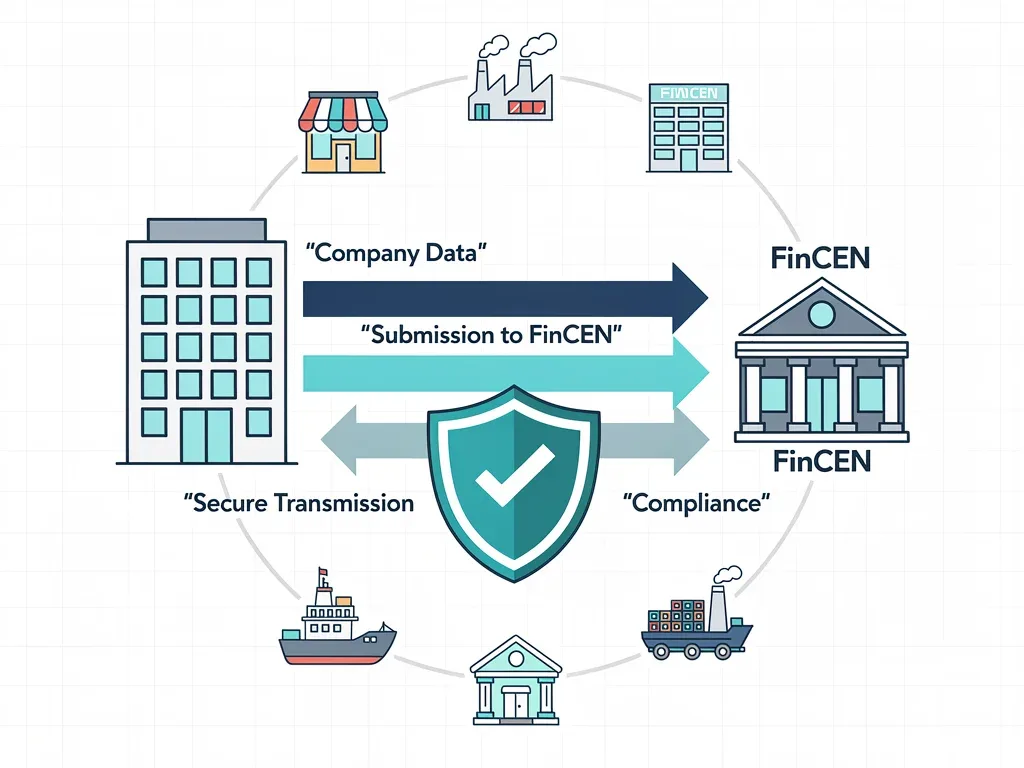
Missing these deadlines can result in severe civil and criminal penalties, which we will explore in detail. Proactive planning and a robust system for tracking ownership changes are essential to meet these requirements. The FinCEN website provides a secure electronic filing system for submitting BOI reports, and companies should familiarize themselves with this platform well in advance of their deadlines.
Penalties for Non-Compliance
The penalties for failing to comply with the Corporate Transparency Act are significant and designed to act as a strong deterrent. Both civil and criminal penalties can be imposed for willfully failing to file a BOI report, providing false information, or failing to update information. This makes Corporate Transparency Act Compliance a high-stakes endeavor for all reporting companies.
The civil penalties can reach $500 for each day that the violation continues, up to a maximum of $10,000. This daily accumulation can quickly escalate, leading to the widely cited figure of $591 per day, which often includes other associated costs and potential legal fees. For a small business, such a penalty could be catastrophic. The criminal penalties are even more severe, including imprisonment for up to two years and fines of up to $10,000.
It's important to note that these penalties apply not only to the reporting company but also to any individual who willfully causes the company to fail to file or who provides false or fraudulent information. This means that officers, directors, and even legal advisors who knowingly assist in non-compliance could face personal liability. The CTA leaves very little room for error or intentional disregard of its provisions.
Avoiding Accidental Non-Compliance
While willful non-compliance carries the harshest penalties, even accidental failures can lead to significant fines. This underscores the need for meticulous attention to detail and a proactive approach to compliance. Ignorance of the law is not a valid defense, and FinCEN is expected to enforce these regulations rigorously.
- Establish Internal Processes: Implement clear internal procedures for tracking beneficial ownership information and ensuring timely updates.
- Seek Professional Advice: Consult with legal or accounting professionals who specialize in CTA compliance to ensure accurate interpretation and application of the rules.
- Regular Reviews: Periodically review beneficial ownership information to account for any changes in ownership, control, or company structure.
- Document Everything: Maintain thorough records of all beneficial ownership determinations, filings, and communications with FinCEN.
The best defense against penalties is a robust compliance strategy that minimizes the risk of both willful and accidental non-compliance. Companies should invest in educating their key personnel about the CTA's requirements and establishing a clear chain of responsibility for BOI reporting.
Strategies for Effective CTA Compliance
Developing a comprehensive strategy for Corporate Transparency Act Compliance is not just about avoiding penalties; it's about establishing good corporate governance and protecting your business's reputation. Effective compliance involves a multi-faceted approach, encompassing internal controls, professional guidance, and continuous monitoring.
One of the foundational strategies is to conduct a thorough internal audit of your company's ownership and control structure. This involves identifying all individuals who could potentially be deemed beneficial owners under FinCEN's broad definitions. This audit should be an ongoing process, not a one-time event, as ownership and control can change over time due to investments, sales, or reorganizations.
Leveraging Technology and Expertise
Given the complexity and ongoing nature of CTA compliance, leveraging technology and external expertise can be invaluable. Specialized software solutions can help manage beneficial ownership data, track changes, and even facilitate the filing process. These tools can reduce the administrative burden and minimize the risk of human error.
- Compliance Software: Utilize platforms designed to track beneficial ownership, automate reminders for updates, and streamline the FinCEN filing process.
- Legal Counsel: Engage attorneys specializing in corporate law and regulatory compliance to interpret complex aspects of the CTA and provide tailored advice.
- Accounting Professionals: Work with accountants who understand the financial implications and reporting requirements, especially for complex ownership structures.
- Data Management Systems: Implement robust internal systems for securely storing and managing sensitive beneficial ownership information.
The investment in these resources can be significantly less than the potential costs of non-compliance. Relying solely on manual processes or an incomplete understanding of the law is a risky strategy that few businesses can afford to take.
Proactive Monitoring and Updates
The CTA mandates that any changes to beneficial ownership information must be reported to FinCEN within 30 days. This continuous reporting requirement means that businesses must implement proactive monitoring mechanisms. This includes monitoring changes in ownership percentages, changes in senior leadership, and any other events that could impact who qualifies as a beneficial owner.
Establishing a clear internal protocol for reporting and updating this information is critical. This might involve assigning responsibility to a specific individual or department, creating a schedule for periodic reviews, and ensuring that all relevant personnel are aware of their obligations. A proactive approach to monitoring ensures that your company remains compliant and avoids the daily penalties associated with outdated or inaccurate information.
The Role of FinCEN Identifiers
To streamline the reporting process and enhance data security, the Corporate Transparency Act allows for the use of FinCEN Identifiers. A FinCEN Identifier is a unique identifying number that FinCEN will issue to an individual or a reporting company upon request. While not mandatory, obtaining a FinCEN Identifier can simplify future filings and updates, especially for individuals who are beneficial owners of multiple reporting companies.
For individuals, obtaining a FinCEN Identifier means they only need to provide their personal information to FinCEN once. Subsequent BOI reports for companies where they are beneficial owners can then simply provide the individual's FinCEN Identifier, rather than re-submitting all personal details. This reduces the administrative burden and helps ensure consistency across multiple filings. For reporting companies, obtaining their own FinCEN Identifier can also be beneficial for future interactions with FinCEN.
The process for obtaining a FinCEN Identifier is straightforward and can be done through FinCEN's secure online portal. Companies and individuals should consider whether this option would be advantageous for their specific circumstances, particularly if they anticipate being involved with multiple reporting companies or undergoing frequent changes in beneficial ownership.
Benefits for Individuals and Companies
The primary benefit of a FinCEN Identifier for individuals is the reduction of repetitive data entry. Instead of providing their name, date of birth, address, and identification document image for each company they beneficially own, they can simply provide their FinCEN Identifier. This not only saves time but also reduces the risk of transcription errors.
- Streamlined Reporting: Simplifies the process for individuals who are beneficial owners of multiple entities.
- Reduced Error Risk: Minimizes the chances of mistakes in repeated data entry.
- Enhanced Privacy: While not fully anonymous, it limits the need to repeatedly share sensitive personal documents with various reporting companies.
- Easier Updates: If an individual's personal information changes (e.g., address), they can update it once with FinCEN, and all associated reporting companies using their FinCEN Identifier will reflect the change.
For reporting companies, using FinCEN Identifiers for their beneficial owners can simplify their reporting process. They only need to collect the identifier from the beneficial owner, rather than all the detailed personal information and a copy of their identification document. This can be particularly useful for managing compliance across a large portfolio of entities or when dealing with beneficial owners who prefer to provide their information directly to FinCEN.
While not a mandatory step, the strategic use of FinCEN Identifiers can significantly enhance the efficiency and accuracy of Corporate Transparency Act Compliance efforts for both individuals and reporting companies. It represents a practical tool for navigating the ongoing reporting obligations with greater ease.
Preparing for Potential Audits and Enforcement
Even with diligent Corporate Transparency Act Compliance, businesses should be prepared for the possibility of audits or inquiries from FinCEN. The CTA grants FinCEN broad authority to collect, store, and disclose beneficial ownership information to authorized government agencies for national security, intelligence, and law enforcement purposes. This means that the data you submit could be subject to scrutiny, and your compliance processes might be reviewed.
Preparing for potential audits involves maintaining meticulous records and ensuring that all beneficial ownership determinations are well-documented and defensible. This includes retaining copies of all filed BOI reports, internal analyses of ownership and control structures, and any communications related to beneficial ownership. Having a clear audit trail can significantly mitigate risks if FinCEN or another authorized agency requests information or questions your compliance.
Best Practices for Audit Readiness
Proactive measures can significantly improve a company's readiness for a FinCEN audit. A strong internal compliance framework is your best defense.
- Documentation: Keep comprehensive records of all beneficial ownership analyses, decisions, and filings. This includes supporting documentation for ownership percentages and control determinations.
- Internal Controls: Implement robust internal controls to ensure data accuracy, security, and timely updates.
- Training: Ensure that relevant personnel are adequately trained on CTA requirements and internal compliance procedures.
- Legal Review: Periodically have legal counsel review your compliance processes and filings to identify and address any potential vulnerabilities.
- Secure Data Storage: Store all sensitive beneficial ownership information in a secure, confidential manner, accessible only to authorized personnel.
The goal is to demonstrate a good-faith effort to comply with the CTA. While no company can guarantee immunity from an audit, a well-prepared and documented compliance program can significantly reduce the likelihood of penalties and streamline any investigative processes. Embracing these best practices is vital for surviving potential FinCEN inquiries and maintaining regulatory standing.
Future Outlook and Ongoing Compliance
The Corporate Transparency Act is a landmark piece of legislation, and its full impact will continue to unfold as FinCEN refines its guidance and enforcement mechanisms. For businesses, this means that Corporate Transparency Act Compliance is not a one-time task but an ongoing commitment. Staying informed about future regulatory updates and interpretations will be crucial for maintaining compliance.
FinCEN has indicated that it will periodically issue additional guidance and FAQs to help businesses navigate the CTA's requirements. Companies should proactively monitor FinCEN's website and subscribe to relevant alerts to stay abreast of any new developments. The regulatory landscape is dynamic, and what is compliant today may require adjustments tomorrow.
Beyond simply avoiding penalties, strong CTA compliance contributes to a more transparent and trustworthy business environment. By helping to combat illicit financial activities, businesses play a role in safeguarding the integrity of the U.S. financial system. This broader perspective underscores the importance of not just meeting the minimum requirements but striving for robust and proactive compliance.
Adapting to Regulatory Evolution
The CTA represents a significant step in the U.S.'s efforts to align with international anti-money laundering and counter-terrorist financing standards. As global efforts in this area evolve, it is reasonable to expect further refinements or expansions of the CTA's scope over time. Businesses should build flexibility into their compliance frameworks to adapt to these potential changes.
- Stay Informed: Regularly check FinCEN's official website and subscribe to regulatory updates from legal and financial news sources.
- Review and Update Policies: Periodically review and update internal policies and procedures to reflect any new guidance or amendments to the CTA.
- Engage with Industry Groups: Participate in industry associations and forums to share best practices and stay informed about common compliance challenges and solutions.
- Continuous Education: Provide ongoing training for key personnel responsible for CTA compliance to ensure their knowledge remains current.
The journey of Corporate Transparency Act compliance is an ongoing one. By embracing a proactive, informed, and adaptable approach, businesses can navigate this new regulatory era successfully, avoid significant penalties, and contribute to a more secure financial ecosystem. The initial steps are critical, but sustained vigilance is the key to long-term success.
| Key Aspect | Brief Description |
|---|---|
| Reporting Companies | Most US corporations, LLCs, and foreign entities registered to do business in the US must report. |
| Beneficial Owners | Individuals with substantial control or 25% or more ownership interest must be identified. |
| Filing Deadlines | Vary based on company formation date; ongoing updates required within 30 days of changes. |
| Penalties | Up to $500/day civil penalty, potential criminal charges for willful non-compliance. |
Frequently Asked Questions About CTA Compliance
What is the primary purpose of the Corporate Transparency Act (CTA)?▼The primary purpose of the CTA is to combat illicit financial activities like money laundering and terrorist financing by requiring certain companies to disclose information about their beneficial owners to FinCEN. This creates a centralized database for law enforcement access, enhancing financial transparency in the U.S. business landscape.
How do I determine if my company is a "reporting company" under the CTA?▼Most corporations, LLCs, and similar entities created or registered to do business in the U.S. are reporting companies. However, there are 23 specific exemptions for entities already subject to significant regulation, such as publicly traded companies, banks, and large operating companies. You should review FinCEN's guidance for detailed criteria.
What information must be reported about beneficial owners?▼For each beneficial owner, reporting companies must provide their full legal name, date of birth, current residential address, and a unique identifying number from an acceptable identification document (e.g., passport, driver's license), along with an image of that document. This ensures clear identification for FinCEN.
What are the consequences of failing to comply with CTA filing requirements?▼Non-compliance can lead to severe penalties. Civil penalties can reach $500 per day that the violation continues, up to $10,000. Willful violations may also incur criminal penalties, including imprisonment for up to two years and fines of up to $10,000. These apply to both the company and responsible individuals.
Can a FinCEN Identifier simplify my CTA reporting obligations?▼Yes, a FinCEN Identifier can streamline reporting. Individuals who obtain one only need to provide their personal information to FinCEN once. Subsequent BOI reports for companies where they are beneficial owners can then simply reference this identifier, reducing repetitive data entry and enhancing accuracy across multiple filings.
Conclusion
Navigating the complexities of the Corporate Transparency Act is an imperative for virtually every business operating in the United States. The strict requirements for identifying and reporting beneficial ownership information, coupled with the substantial daily penalties for non-compliance, underscore the critical need for vigilance and a proactive approach. By understanding who is affected, accurately identifying beneficial owners, adhering to filing deadlines, and implementing robust internal controls, businesses can successfully achieve Corporate Transparency Act Compliance. This commitment not not only safeguards against severe financial and legal repercussions but also contributes to the broader effort of fostering a more transparent and secure financial ecosystem. Staying informed and adaptable to evolving regulations will be key to long-term compliance success.
