Optimizing Nearshoring Operations: A 90-Day Implementation Blueprint
Advertisements

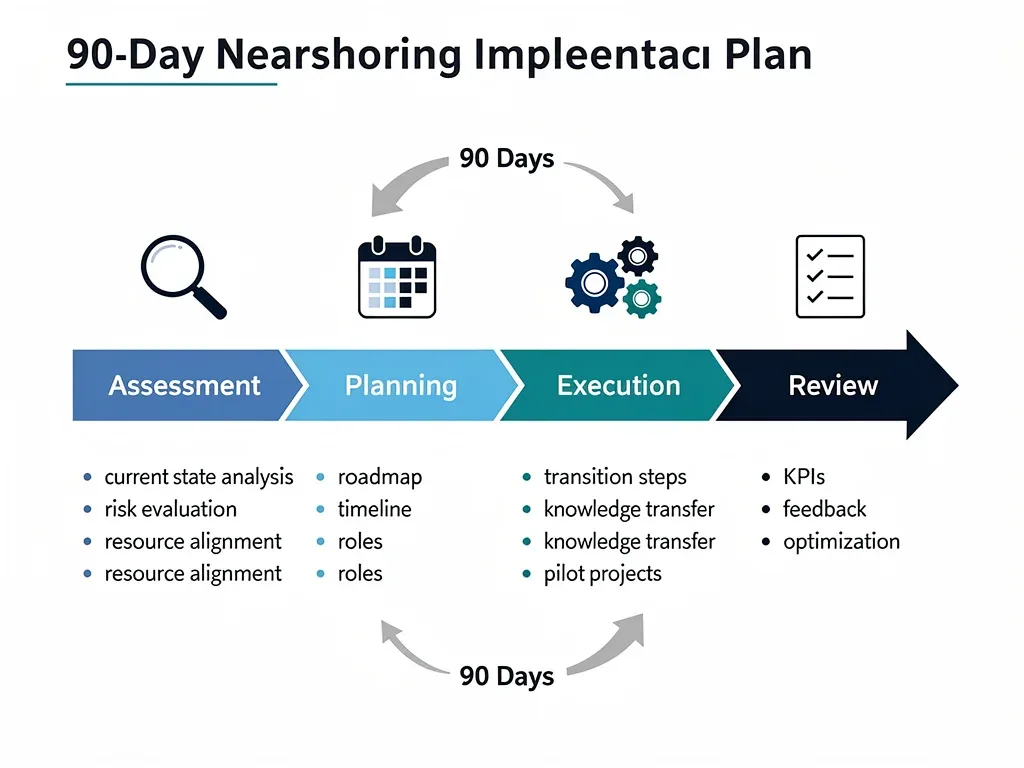
Optimizing nearshoring operations for American manufacturers involves a strategic, phased 90-day implementation blueprint focused on enhancing supply chain resilience, reducing costs, and boosting overall operational efficiency.
In an increasingly volatile global economy, American manufacturers are continually seeking strategies to enhance resilience and efficiency. One such strategy, gaining significant traction, is optimizing nearshoring operations. This approach involves relocating production or services to nearby countries, often within the same continent, to leverage geographical proximity, cultural similarities, and favorable economic conditions. The following blueprint provides a structured 90-day roadmap for American manufacturers to effectively implement and optimize their nearshoring initiatives.
Understanding the Nearshoring Imperative for American Manufacturers
The landscape of global manufacturing has shifted dramatically over the past few years. Geopolitical tensions, supply chain disruptions, and rising logistics costs have pushed American manufacturers to re-evaluate their offshore strategies. Nearshoring presents a compelling alternative, promising reduced lead times, improved quality control, and a stronger alignment with domestic market demands. It's not merely about moving production closer; it's about strategically positioning operations for long-term sustainability and competitive advantage.
This strategic pivot is often driven by a desire to mitigate risks associated with distant supply chains. Events like the COVID-19 pandemic highlighted the vulnerabilities of relying heavily on overseas production, prompting a re-evaluation of global sourcing models. Nearshoring offers a buffer against such disruptions, fostering greater control and responsiveness.
Key Drivers for Nearshoring Adoption
Several factors are propelling American manufacturers towards nearshoring. Understanding these drivers is crucial for building a robust implementation plan.
- Supply Chain Resilience: Reducing dependence on distant suppliers minimizes exposure to geopolitical risks, natural disasters, and international shipping delays.
- Cost Reduction: While initial labor costs might be higher than far-shore options, reduced transportation expenses, lower inventory holding costs, and quicker time-to-market often lead to overall cost savings.
- Improved Quality Control: Closer proximity allows for more frequent oversight and easier collaboration, leading to higher quality products and fewer defects.
- Faster Time-to-Market: Shorter supply lines mean products can reach consumers more quickly, enabling companies to respond rapidly to market trends and demand fluctuations.
- Enhanced Collaboration and Communication: Proximity facilitates better communication between design, production, and sales teams, leading to more agile product development and problem-solving.
Ultimately, nearshoring is about creating a more agile, responsive, and secure manufacturing ecosystem. For American manufacturers, this means not just surviving, but thriving in an unpredictable global marketplace. The benefits extend beyond mere economics, encompassing strategic advantages that bolster long-term growth.
Phase 1: Assessment and Strategic Alignment (Days 1-30)
The initial 30 days are critical for laying a solid foundation for your nearshoring initiative. This phase involves a thorough internal assessment and strategic alignment to ensure the project meets your company's overarching goals. Without a clear understanding of your current state and desired outcomes, any implementation efforts will be significantly hampered.
Begin by assembling a dedicated nearshoring task force. This team should comprise key stakeholders from various departments, including supply chain, operations, finance, legal, and human resources. Their collective expertise will be invaluable in identifying opportunities and potential challenges.
Comprehensive Supply Chain Audit
A detailed audit of your existing supply chain is paramount. This involves mapping out every stage of your current manufacturing process, from raw material sourcing to final product delivery. Identify pain points, bottlenecks, and areas of inefficiency.
- Cost Analysis: Evaluate all direct and indirect costs associated with your current offshore operations, including labor, materials, logistics, tariffs, and inventory holding.
- Risk Assessment: Identify geopolitical, economic, and environmental risks in your current supply chain. Quantify their potential impact on your business.
- Capability Gap Analysis: Determine what capabilities are essential for successful nearshoring and assess any gaps in your current internal resources or expertise.
This audit provides a baseline against which to measure the potential benefits of nearshoring. It also helps to pinpoint specific processes or product lines that are most suitable for relocation, maximizing the impact of your efforts.
Defining Objectives and Key Performance Indicators (KPIs)
Clearly articulate what you aim to achieve with nearshoring. Are you primarily focused on cost reduction, lead time improvement, quality enhancement, or risk mitigation? Define measurable objectives that align with your company's strategic vision.
Establish relevant KPIs to track progress. These might include metrics such as production lead time, inventory turnover, on-time delivery rates, defect rates, and total landed cost. Having clear objectives and KPIs will ensure accountability and provide a framework for evaluating the success of your nearshoring program. This initial strategic alignment is non-negotiable for a successful transition.
Phase 2: Partner Selection and Location Scouting (Days 31-60)
With a clear understanding of your objectives and internal capabilities, the next 30 days focus on identifying suitable nearshoring partners and locations. This involves extensive research, due diligence, and careful negotiation. The choice of location and partner will significantly influence the success and sustainability of your nearshoring efforts.
Consider countries with established manufacturing infrastructures, favorable trade agreements with the U.S., and a skilled workforce. Mexico, for instance, has long been a popular nearshoring destination due to its proximity and strong manufacturing base. Other Central and South American countries are also emerging as viable options.
Criteria for Location and Partner Evaluation
When scouting locations and evaluating potential partners, a multi-faceted approach is essential. Look beyond just labor costs and consider the broader ecosystem.
- Geographic Proximity: Evaluate logistics infrastructure, transportation routes, and customs processes to ensure efficient movement of goods.
- Regulatory Environment: Understand local laws, tax incentives, intellectual property protection, and ease of doing business.
- Labor Pool and Skills: Assess the availability of skilled labor, training programs, and labor costs, including benefits and regulations.
- Infrastructure: Consider access to reliable utilities (electricity, water, internet), transportation networks, and industrial parks.
- Cultural Compatibility: Evaluate language barriers, work culture, and communication styles to ensure smooth collaboration.
Engaging with local economic development agencies and industry associations can provide invaluable insights and connections. Visiting potential sites and meeting with local officials and business leaders is also highly recommended to gain a firsthand understanding of the operating environment.

Due Diligence and Contract Negotiation
Once a shortlist of potential locations and partners is established, rigorous due diligence is critical. This includes financial vetting, reference checks, and site visits to assess operational capabilities and adherence to quality standards. Legal counsel should be involved to review contracts and ensure compliance with international trade laws and local regulations.
Negotiate comprehensive contracts that clearly define responsibilities, performance metrics, intellectual property protection, and exit strategies. A well-structured contract mitigates risks and sets clear expectations for both parties, fostering a transparent and productive partnership. This phase is about building trust and securing the right relationships for long-term success in optimizing nearshoring operations.
Phase 3: Implementation and Integration Planning (Days 61-90)
The final 30 days of this blueprint focus on detailed implementation planning and integrating nearshored operations into your existing business framework. This is where the theoretical framework begins to take concrete shape, requiring meticulous planning and cross-functional coordination. A robust plan here ensures a smooth transition and minimizes disruption.
Develop a detailed project plan that outlines specific tasks, timelines, and responsible parties for each aspect of the transition. This includes everything from equipment transfer and IT system integration to workforce training and quality assurance protocols. Communication remains paramount during this phase.
Operational Transition and Logistics
The logistics of transitioning operations can be complex. Careful planning is needed for the movement of equipment, raw materials, and finished goods. Establish clear protocols for customs clearance, transportation, and warehousing.
- Supply Chain Integration: Integrate the new nearshore facility or partner into your existing supply chain management systems. This includes inventory management, order processing, and logistics tracking.
- Technology Transfer: Ensure seamless transfer of necessary technology, software, and data. This might involve setting up secure networks and providing technical support to the nearshore team.
- Quality Assurance Protocols: Implement robust quality control processes at the nearshore location, mirroring or enhancing your existing standards. Regular audits and performance reviews are essential.
Consider a phased approach for the transition, starting with a smaller product line or component to test the process before scaling up. This allows for adjustments and learning without jeopardizing the entire operation.
Workforce Development and Cultural Integration
Investing in workforce development at the nearshore location is crucial. This includes training on your specific manufacturing processes, quality standards, and company culture. Provide comprehensive onboarding to ensure the new team feels integrated and valued.
Cultural integration is equally important. Foster an environment of mutual respect and understanding. This might involve cultural sensitivity training for both your domestic and nearshore teams, facilitating regular communication, and encouraging site visits. A harmonized workforce is a productive workforce, vital for successful optimizing nearshoring operations.
Risk Mitigation and Contingency Planning
No nearshoring initiative is without risks. Proactive identification and mitigation strategies are essential for a resilient operation. This involves anticipating potential challenges and developing contingency plans to address them before they escalate. A comprehensive risk management framework will safeguard your investment and operational continuity.
Consider a range of potential risks, from unforeseen geopolitical shifts to natural disasters or labor disputes. Diversifying suppliers within the nearshore region can also spread risk, preventing over-reliance on a single entity. Regular review and updating of your risk mitigation strategies are also critical.
Common Nearshoring Risks and Solutions
While nearshoring reduces certain risks associated with far-shoring, new challenges can emerge. Being prepared is key.
- Geopolitical Instability: Monitor political and economic developments in the nearshore country. Diversify nearshoring locations if feasible.
- Labor Issues: Understand local labor laws and foster strong employee relations. Invest in competitive compensation and benefits.
- Quality Control Challenges: Implement rigorous quality management systems, conduct frequent audits, and provide ongoing training.
- Intellectual Property Theft: Ensure robust legal protections are in place through contracts and local law enforcement. Utilize secure data transfer protocols.
- Logistics Interruptions: Develop alternative transportation routes and maintain buffer inventory. Work with multiple logistics providers.
Establishing clear communication channels with local authorities and industry groups can also provide early warnings for potential issues. Being connected to the local ecosystem is a significant advantage in managing unforeseen circumstances effectively. This proactive stance is fundamental for optimizing nearshoring operations.
Performance Monitoring and Continuous Improvement
The 90-day blueprint marks the initial setup, but successful nearshoring is an ongoing journey of monitoring, evaluation, and continuous improvement. Once operations are live, it's crucial to continuously track performance against your established KPIs and make adjustments as needed. This iterative process ensures that your nearshoring strategy remains aligned with your business objectives and market dynamics.
Establish a regular review cycle, perhaps quarterly or bi-annually, to assess the overall effectiveness of your nearshoring program. Involve both your domestic and nearshore teams in these reviews to foster a shared understanding and collaborative problem-solving approach. This feedback loop is vital for sustained success.
Leveraging Data for Optimization
Data analytics plays a pivotal role in identifying areas for improvement. Track key metrics such as production output, defect rates, lead times, and total landed costs. Compare these against your baseline data and industry benchmarks to pinpoint discrepancies and opportunities.
- Supplier Performance Management: Continuously evaluate your nearshore partner's performance against contractual obligations and quality standards. Provide constructive feedback and support for improvement.
- Process Optimization: Look for ways to streamline processes, automate tasks, and reduce waste at the nearshore facility. Implement lean manufacturing principles where applicable.
- Technology Upgrades: Stay abreast of new technologies that can further enhance efficiency and reduce costs in your nearshored operations. This could include advanced robotics, AI-driven analytics, or improved communication platforms.
The goal is to foster a culture of continuous improvement, where every team member is empowered to identify and implement enhancements. This ongoing commitment to optimization is what truly distinguishes successful nearshoring initiatives and ensures long-term competitive advantage for American manufacturers.
The Strategic Advantages of Nearshoring for American Manufacturers
Beyond the immediate operational benefits, nearshoring offers significant strategic advantages that can redefine an American manufacturer's market position. It's not just about cost or efficiency; it's about building a more resilient, responsive, and ultimately more competitive enterprise. In an era of rapid change, agility is paramount, and nearshoring provides a critical pathway to achieving it.
The ability to react quickly to market shifts, integrate new technologies, and maintain tighter control over the production process translates directly into a stronger market presence. This strategic foresight allows manufacturers to innovate faster and deliver higher value to their customers.
Building a Resilient and Agile Supply Chain
One of the most compelling strategic benefits is the creation of a more resilient supply chain. By reducing geographical distance and diversifying production locations, manufacturers can better withstand global disruptions. This resilience translates into fewer stockouts, more consistent product availability, and ultimately, greater customer satisfaction.
- Enhanced Flexibility: Nearshoring allows for greater flexibility in production volumes and product customization, enabling manufacturers to adapt quickly to changing consumer demands.
- Reduced Environmental Footprint: Shorter transportation routes can lead to a smaller carbon footprint, aligning with growing consumer and regulatory demands for sustainability.
- Innovation Acceleration: Closer collaboration between design and production teams fosters faster innovation cycles and quicker introduction of new products to the market.
This strategic shift also strengthens regional economies, creating jobs and fostering local expertise, which can further enhance the overall ecosystem. For American manufacturers, optimizing nearshoring operations is a proactive step towards future-proofing their business model and securing a leadership position in global industry.
| Key Point | Brief Description |
|---|---|
| Phase 1: Assessment | Conduct internal audit, define objectives, and set KPIs (Days 1-30). |
| Phase 2: Partner Selection | Evaluate locations, select partners, and negotiate contracts (Days 31-60). |
| Phase 3: Implementation | Plan operational transition, logistics, and workforce integration (Days 61-90). |
| Continuous Improvement | Monitor performance, mitigate risks, and optimize processes post-implementation. |
Frequently Asked Questions About Nearshoring Optimization
What is nearshoring and why is it important for American manufacturers?▼Nearshoring involves relocating manufacturing or services to nearby countries, often within the same continent. It's crucial for American manufacturers to enhance supply chain resilience, reduce lead times, improve quality control, and mitigate risks associated with distant global supply chains.
What are the primary benefits of optimizing nearshoring operations?▼Key benefits include increased supply chain resilience, reduced transportation costs, faster time-to-market, improved quality control due to closer oversight, and enhanced communication and collaboration with production teams. These lead to greater agility and competitiveness.
How long does it typically take to implement a nearshoring strategy?▼While a full transition can take longer, a strategic 90-day blueprint allows manufacturers to complete critical assessment, partner selection, and initial implementation planning phases. This rapid deployment provides a strong foundation for ongoing operational rollout and optimization.
What risks should American manufacturers consider when nearshoring?▼Risks include potential geopolitical instability, labor disputes, intellectual property theft, and unexpected logistics interruptions. Proactive risk assessment, robust legal frameworks, and contingency planning are essential to mitigate these challenges effectively.
How can manufacturers ensure long-term success in nearshoring?▼Long-term success relies on continuous performance monitoring, leveraging data analytics for optimization, fostering strong partner relationships, investing in workforce development, and adapting to changing market conditions. A commitment to ongoing improvement is paramount.
Conclusion
The strategic imperative for American manufacturers to embrace and optimize nearshoring operations has never been clearer. This 90-day blueprint provides a structured, actionable pathway to navigate the complexities of relocation, from initial assessment to detailed implementation planning. By focusing on resilience, efficiency, and strategic alignment, manufacturers can transform their supply chains, mitigate risks, and unlock significant competitive advantages. The journey to optimizing nearshoring operations is an investment in future stability and growth, positioning American industry at the forefront of a new global manufacturing paradigm.
